The Space Race
30 cards and 2 towers, generated on “The Space Race”. Language: en.
Towers
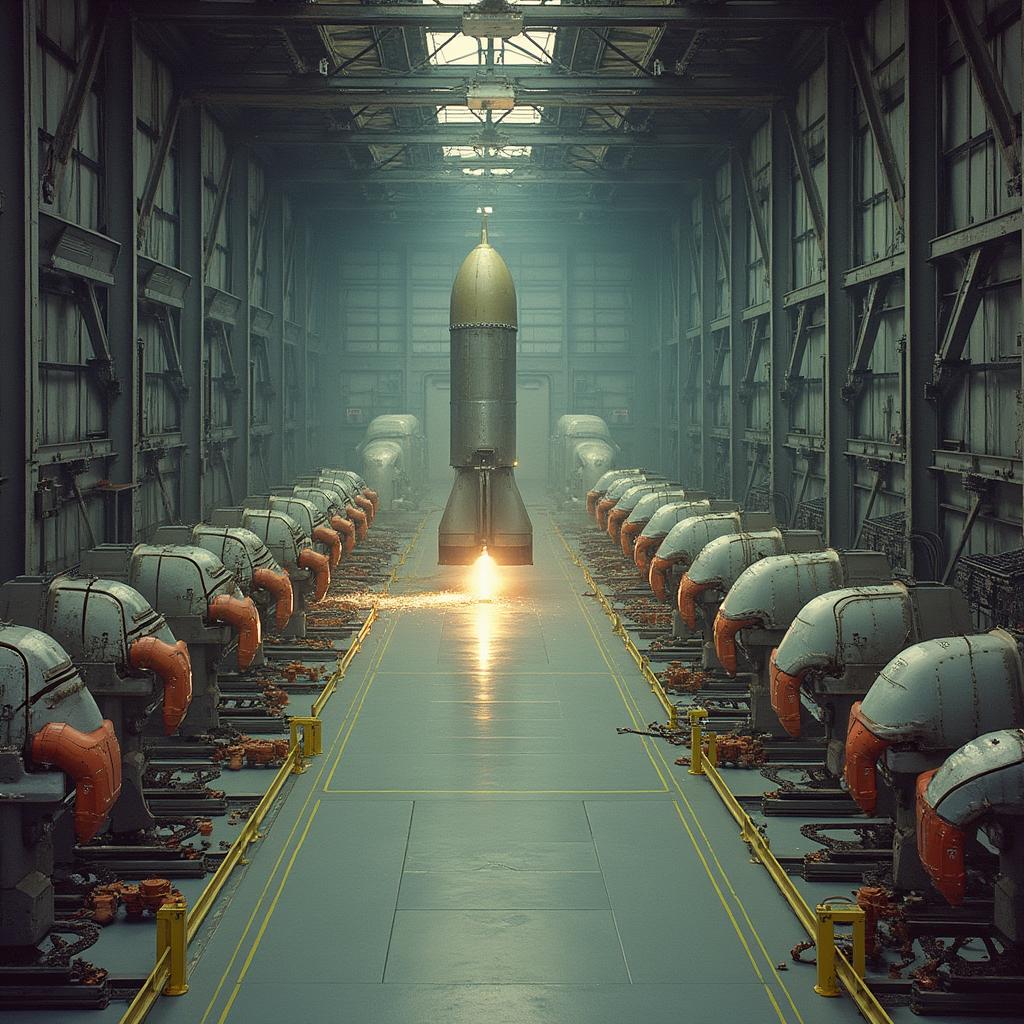
Automated Assembly Bay
Located at the heart of industrial production, this facility represents the shift toward modular aerospace manufacturing. During the mid-20th century, the scale of production required to sustain space programs necessitated a move away from bespoke craftsmanship toward highly standardized assembly lines. This transition allowed for the rapid iteration of satellite and probe components, ensuring that orbital hardware could be replaced or upgraded with efficiency. By automating the integration of sensitive avionics and structural frames, these bays minimized human error in the delicate process of building craft destined for the vacuum of space. The relentless pace of this production line ensures that the skies remain dominated by a constant stream of technological innovation, effectively choking off any opposition that cannot keep up with the sheer volume of output.
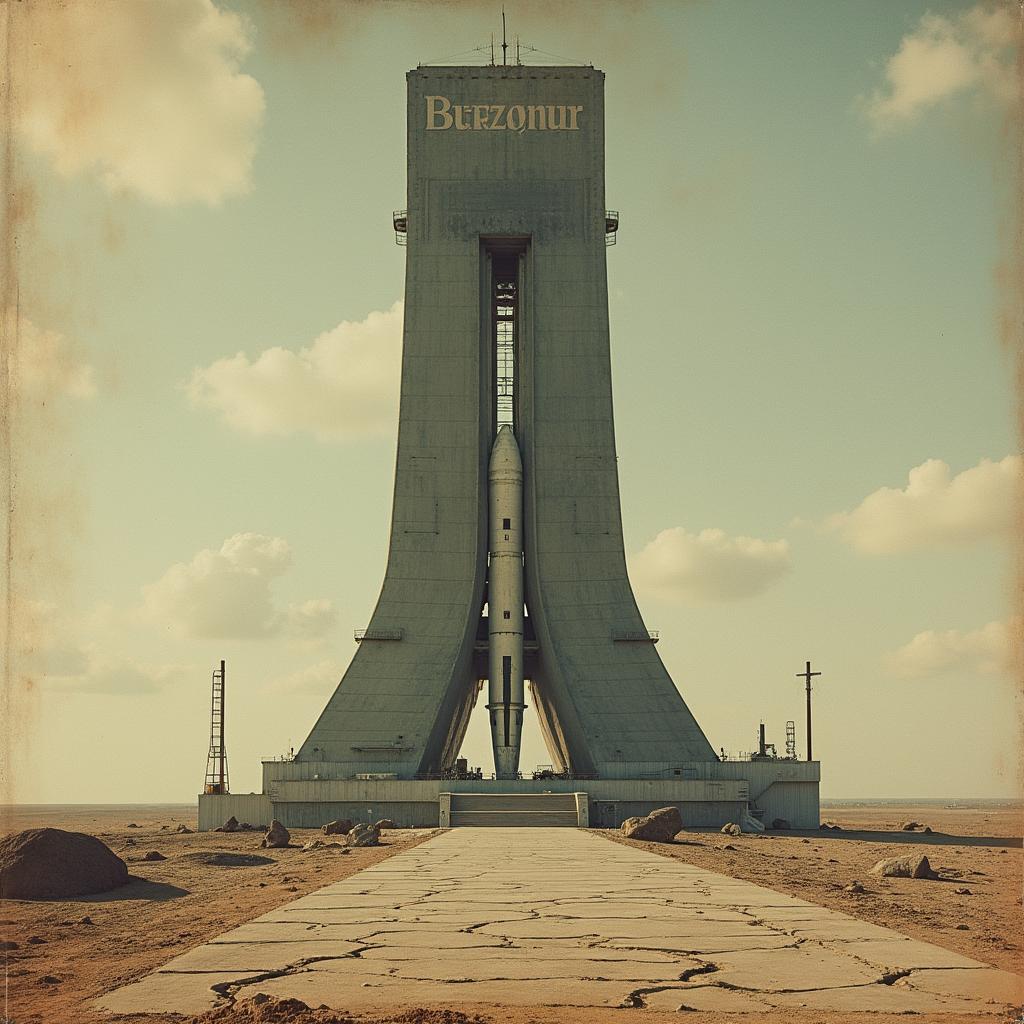
Baikonur Launch Pad
Established in the desert of Kazakhstan, this site served as the primary nexus for the Soviet space program. It witnessed the launch of the first human into space, Yuri Gagarin, in 1961, and remains a testament to the sheer scale of engineering required to breach the atmosphere. The facility is anchored in the history of Cold War rivalry, where the ability to launch heavy payloads was synonymous with national security and global influence. Through the deployment of massive liquid-fueled engines, this ground station defined the capabilities of early orbital flight and the competition for dominance in the high frontier. The history of this site is written in the fire of countless departures, as it continues to project its immense influence across the celestial theater, ensuring that any threat within range is systematically neutralized.
The 30 cards
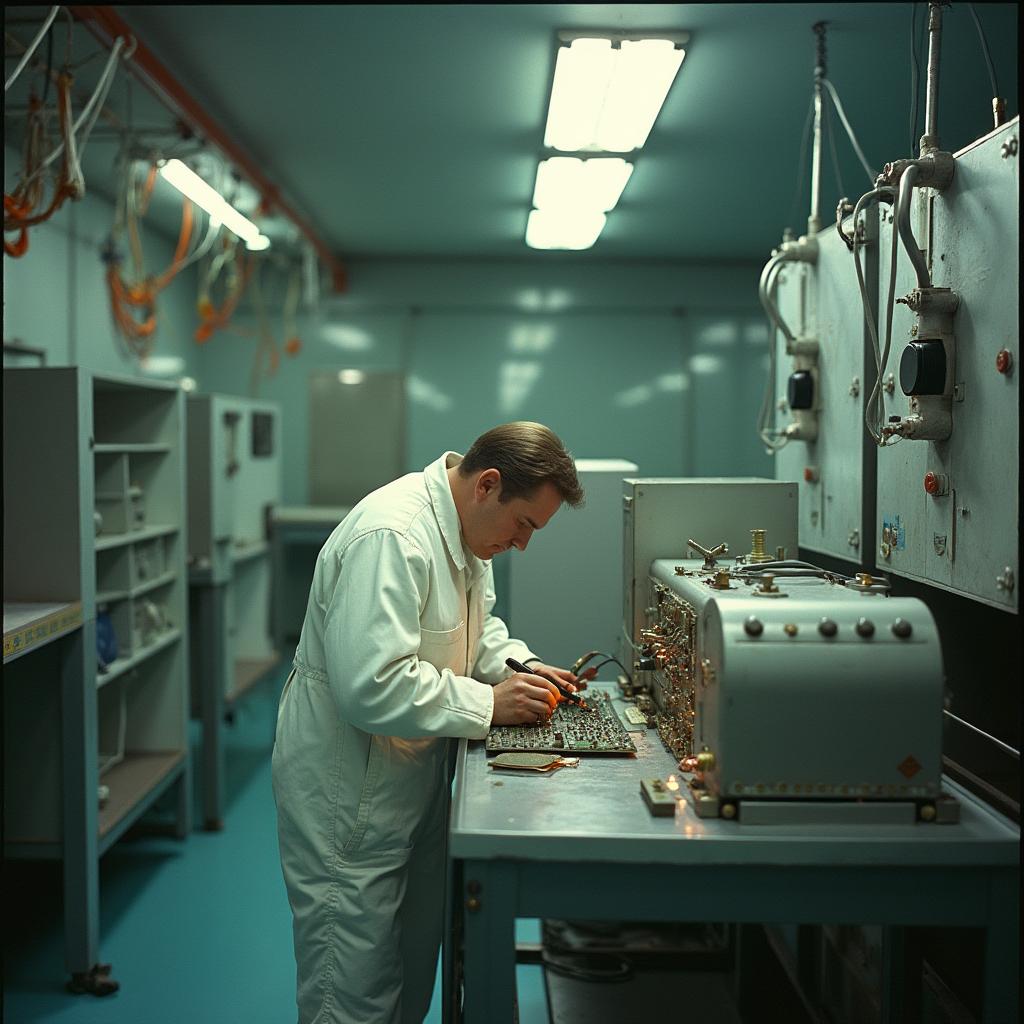
Ground Crew Technician
Trained Maintenance Specialist
A steady hand is required to keep the delicate systems functioning under pressure.
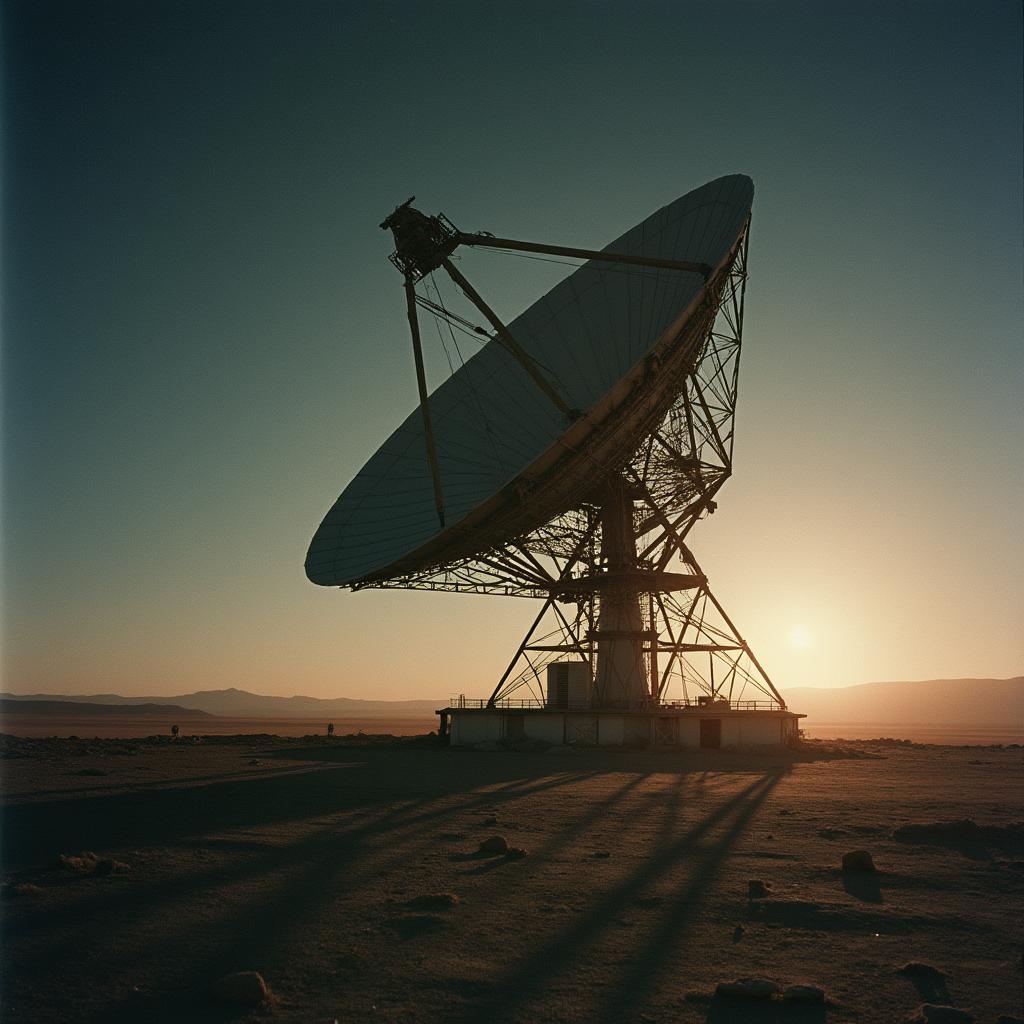
Tracking Antenna
Signal Acquisition Array
It scans the horizon for faint signals returning from the dark void of space.
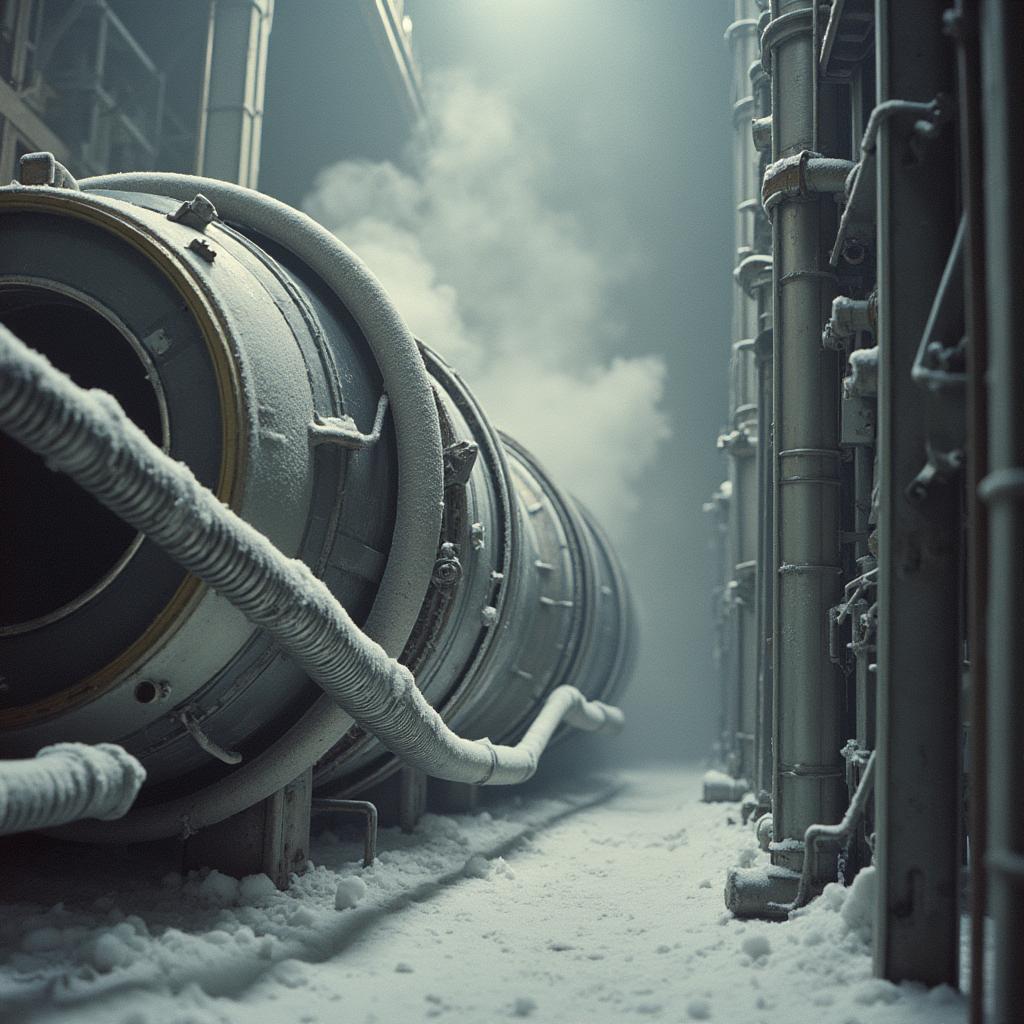
Pressurized Fuel Line
High-Pressure Feed
A critical conduit that delivers volatile liquid oxygen to the main engine.
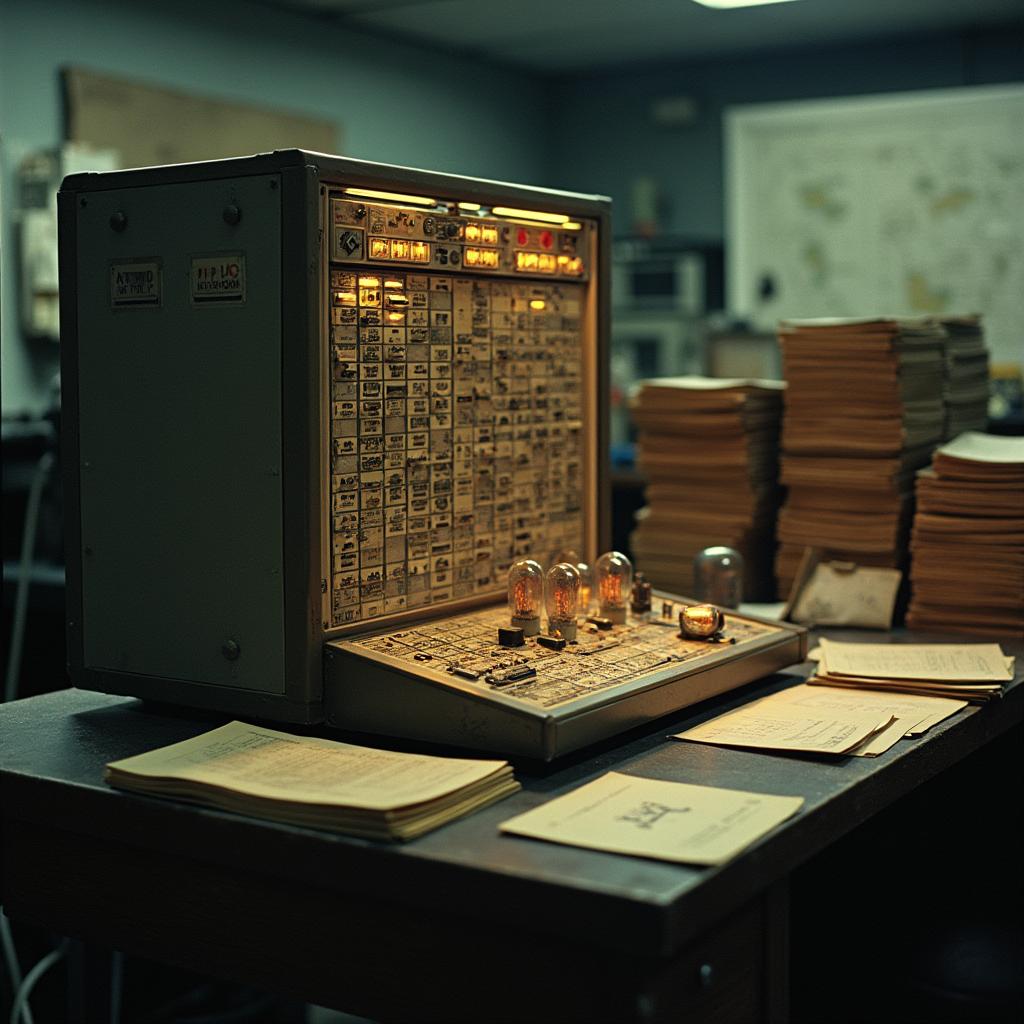
Guidance Computer Module
Primitive Logic Processor
Vacuum tubes and primitive relays perform complex trajectory calculations in real-time.
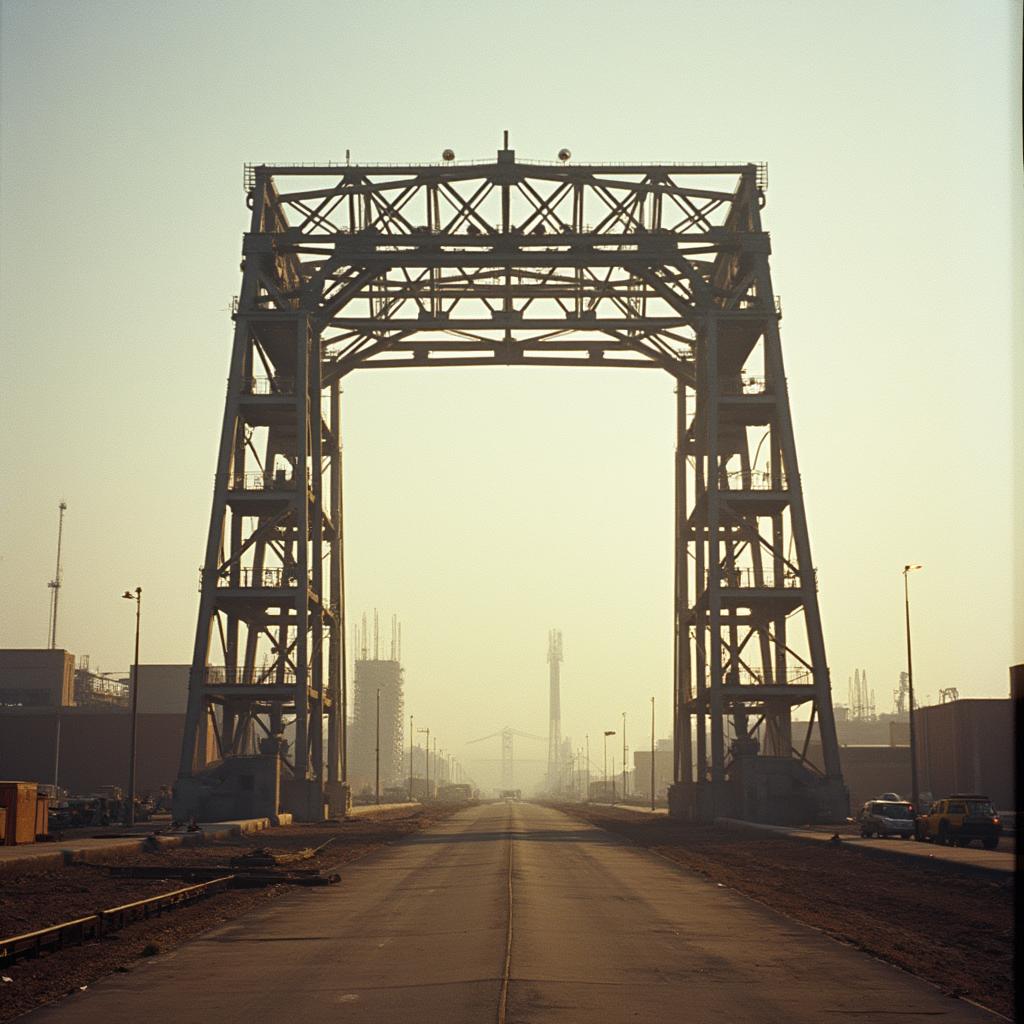
Structural Truss Section
Reinforced Support Beam
The foundation upon which the entire ascent vehicle is constructed.
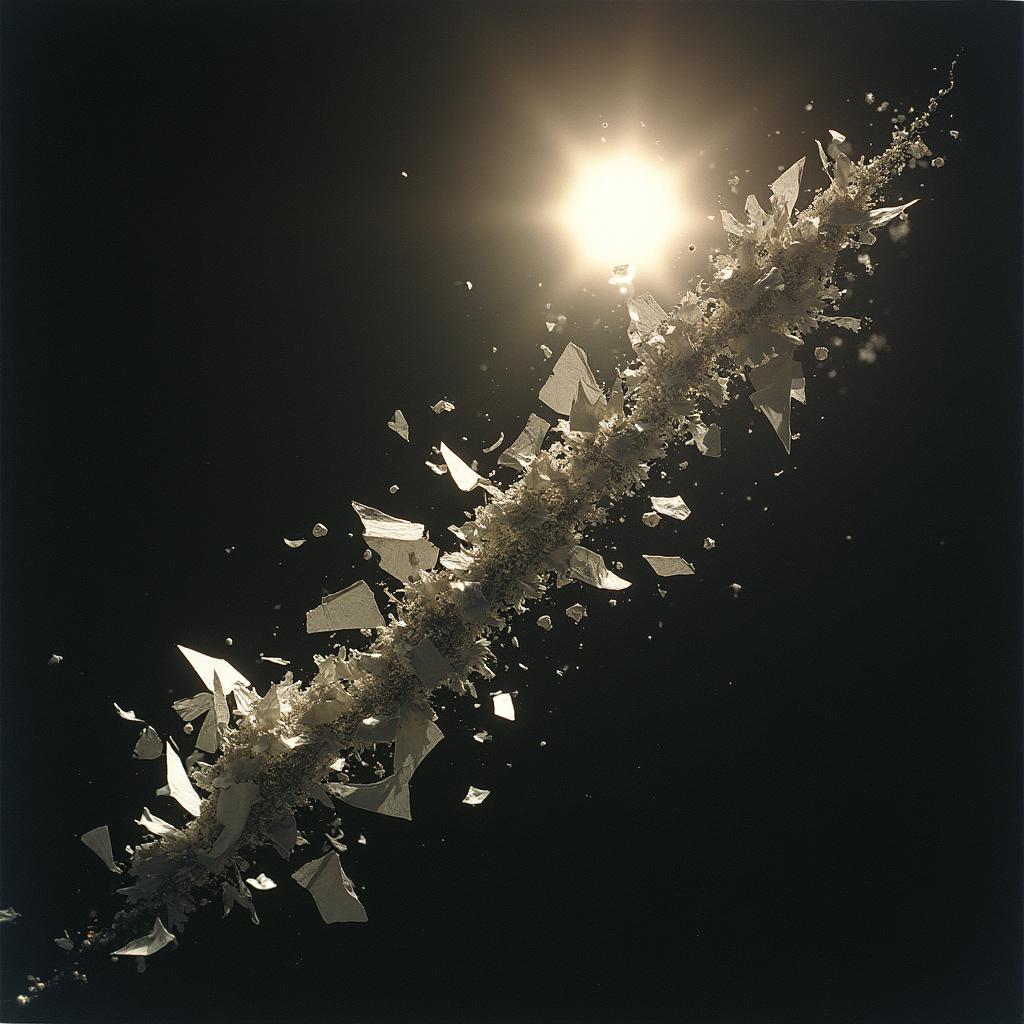
Orbital Debris
Fragmented Metal Shards
Errant pieces of metal that threaten the safety of every craft in orbit.
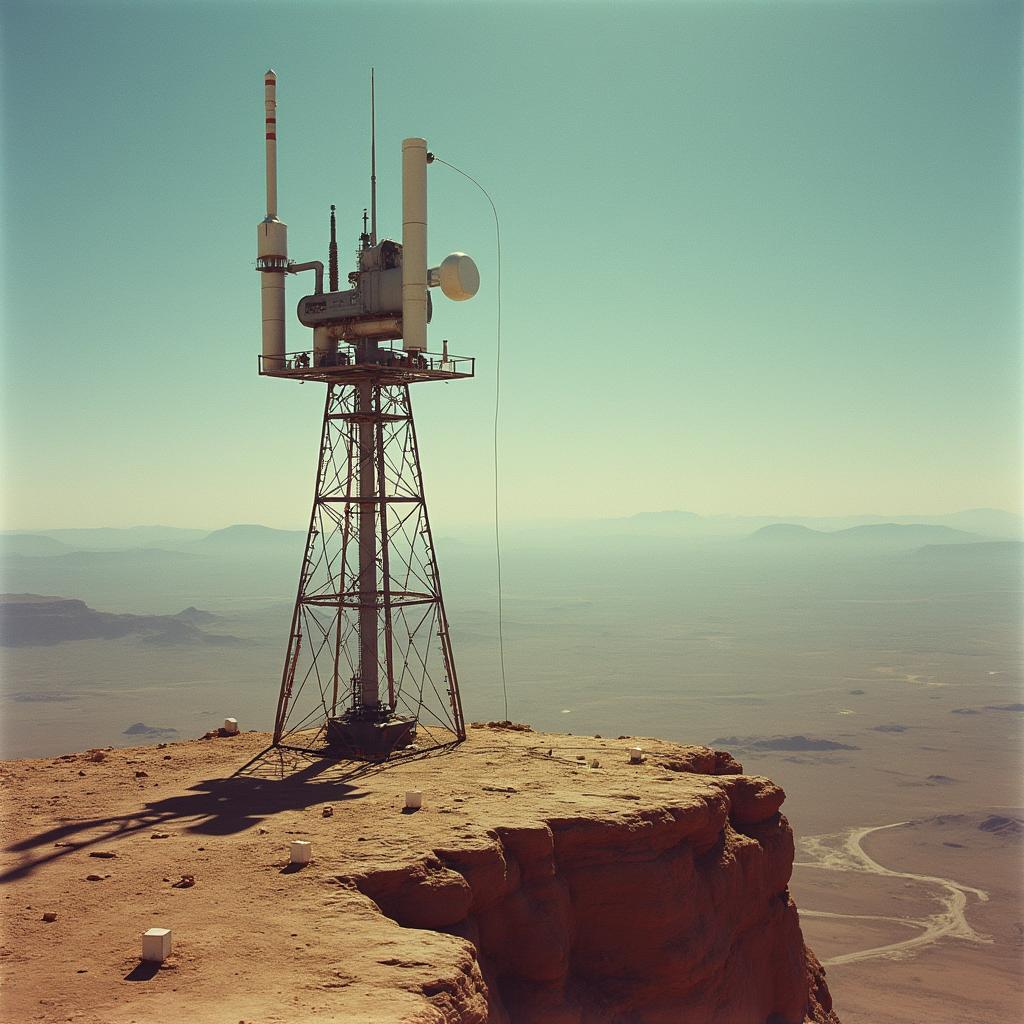
Radio Transmitter
Long-Range Communications Link
A vital link that keeps the mission connected to home base.
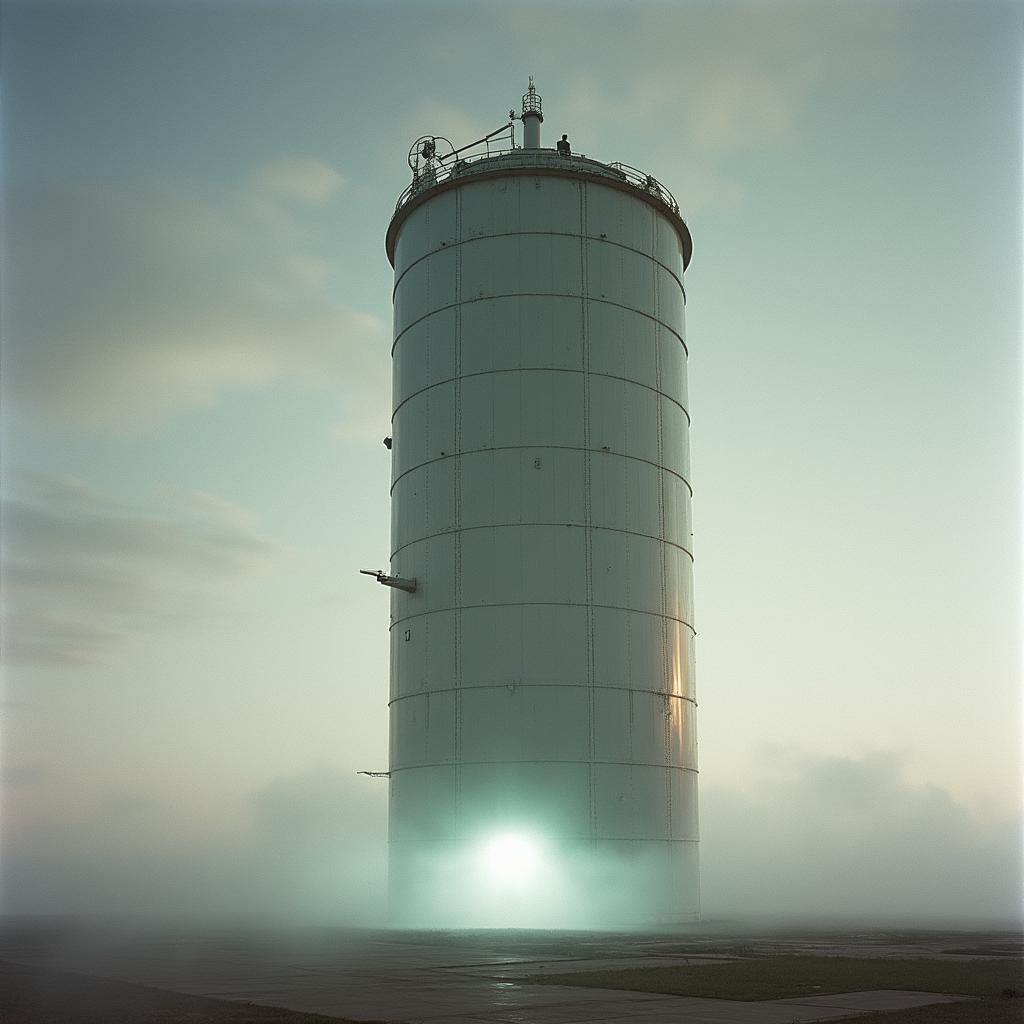
Oxidizer Tank
Combustion Enabler
Contains the necessary chemical components to sustain thrust in a vacuum.
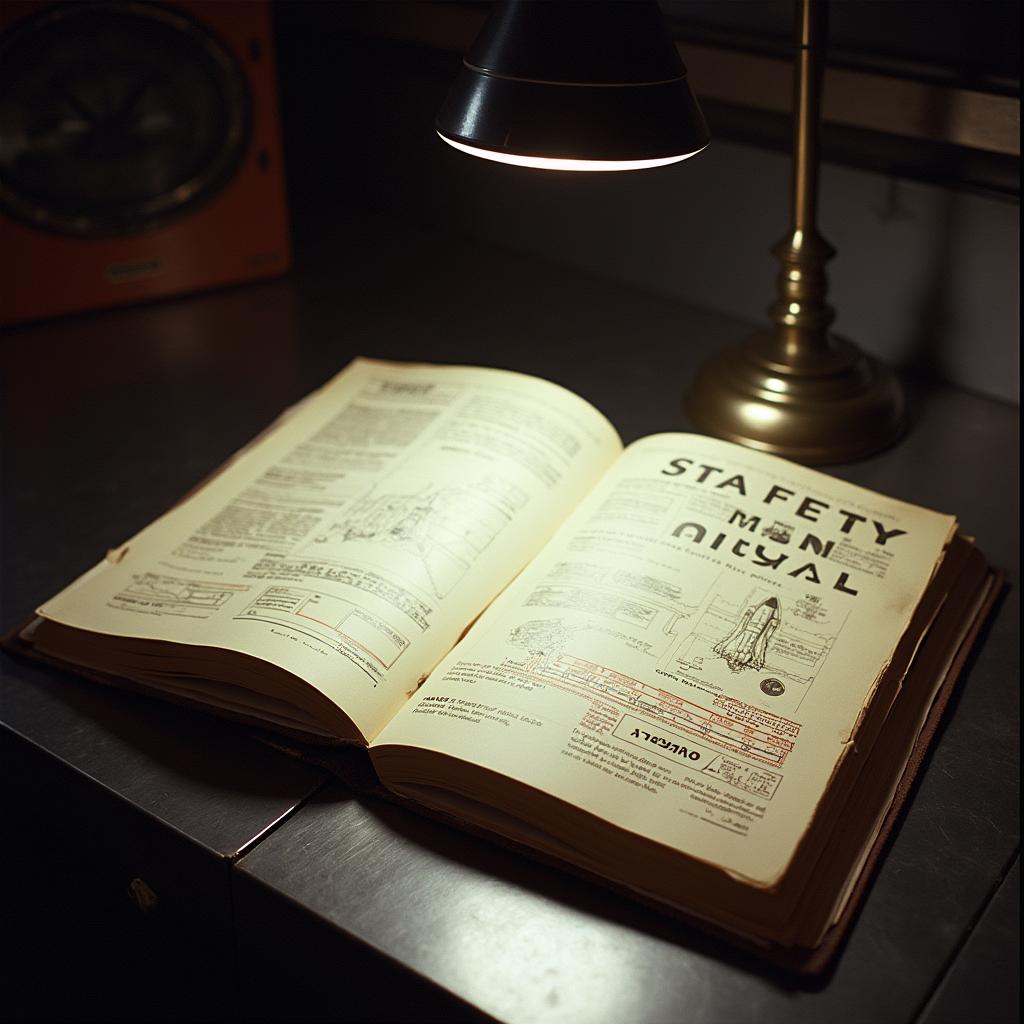
Safety Manual
Standard Operating Procedure
Following these steps reduces the risk of catastrophic mission failure.
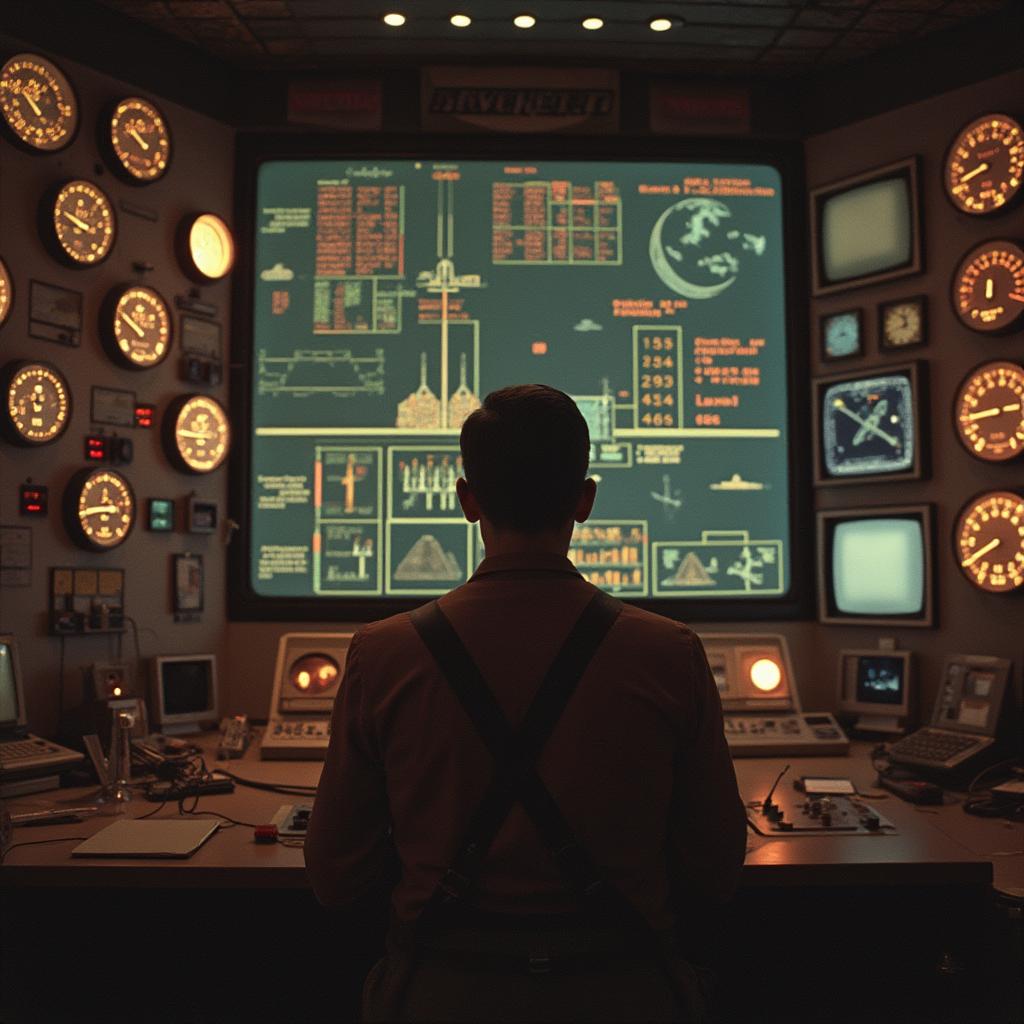
Launch Observer
Data Monitoring Specialist
Monitors the telemetry data to ensure the flight path remains stable.
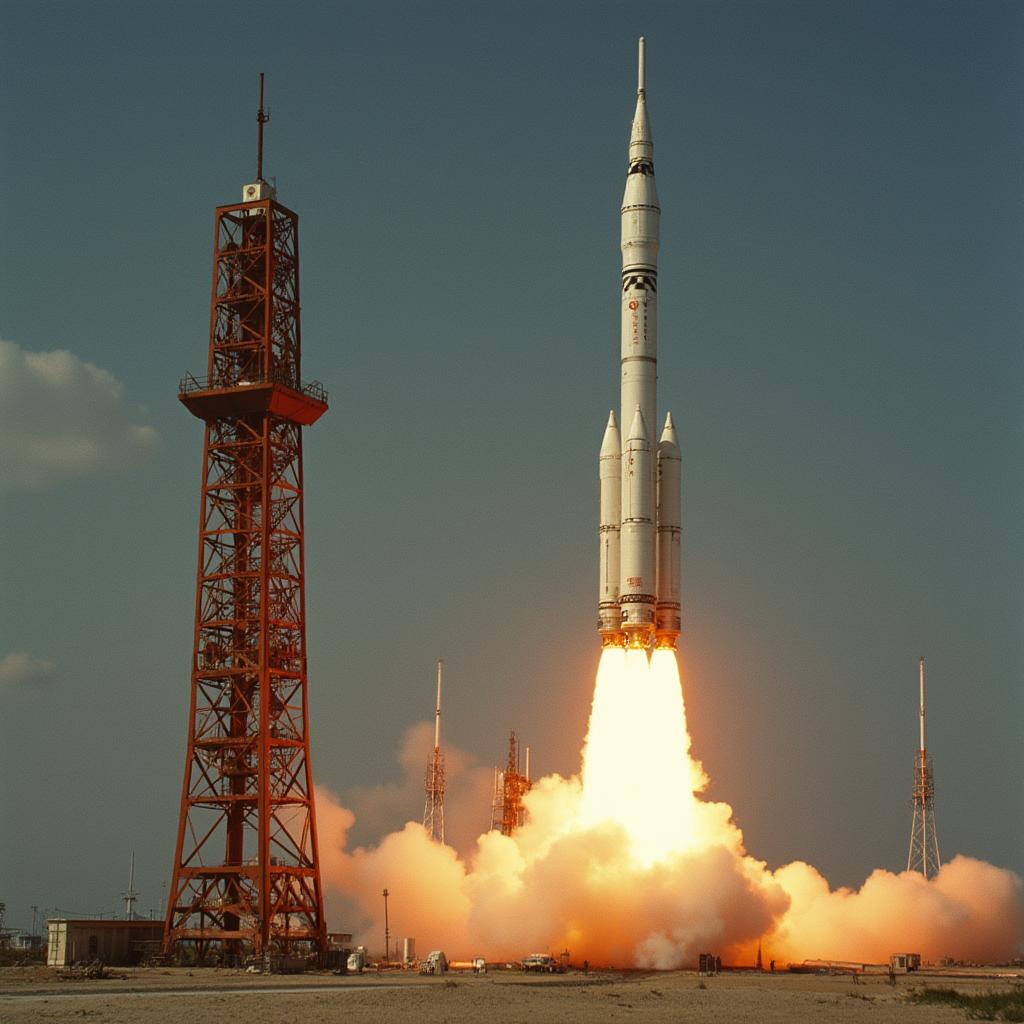
R-7 Semyorka
The First ICBM
An immense engine of war that fundamentally changed global security.
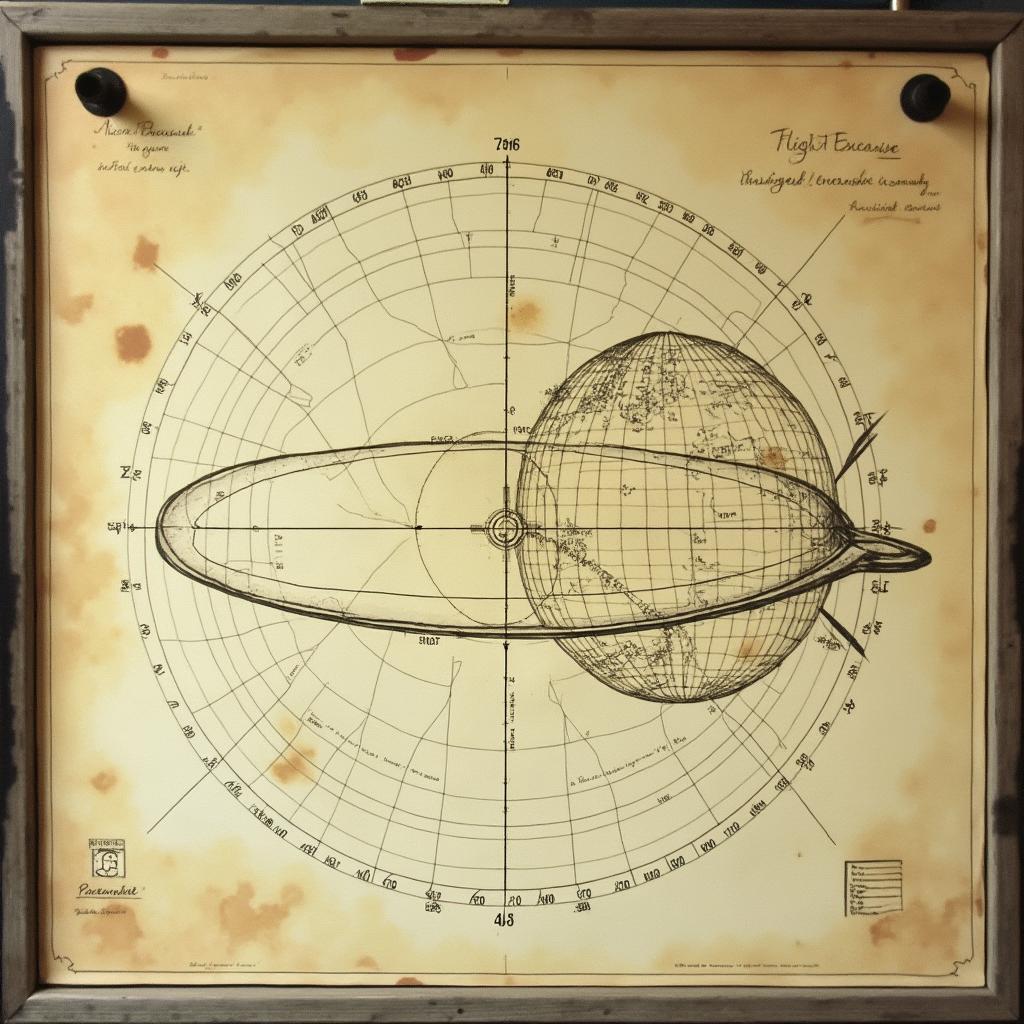
Flight Path Chart
Orbital Trajectory Map
Precise mathematical plotting is the only way to intercept a moving target.

Thermal Shielding Tiles
Re-entry Protection Layer
Protecting the vehicle from the searing heat of atmosphere re-entry.
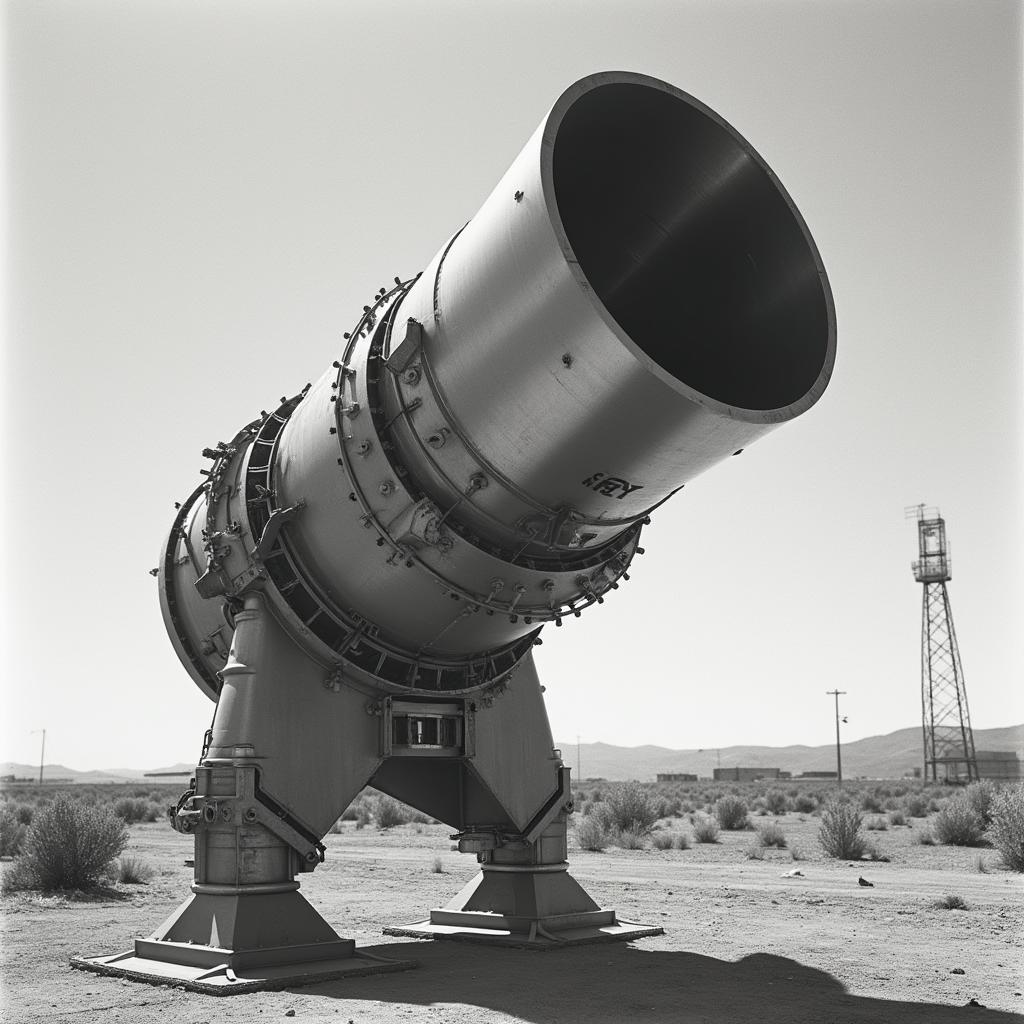
Rocket Engine Nozzle
Thrust Vectoring Component
Directs the immense force of the blast to steer the entire vehicle.
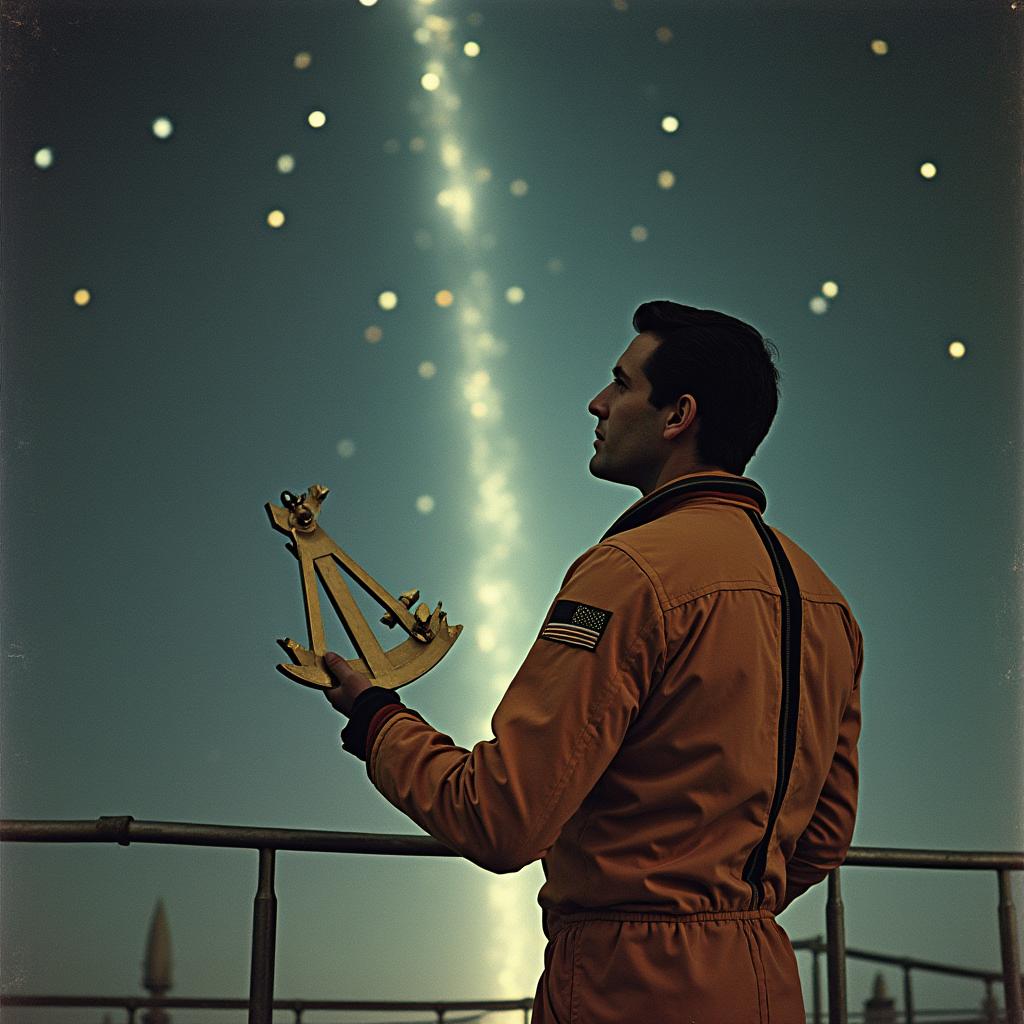
Astro-Navigator
Celestial Positioning Expert
Navigates by the stars when standard sensors flicker out.
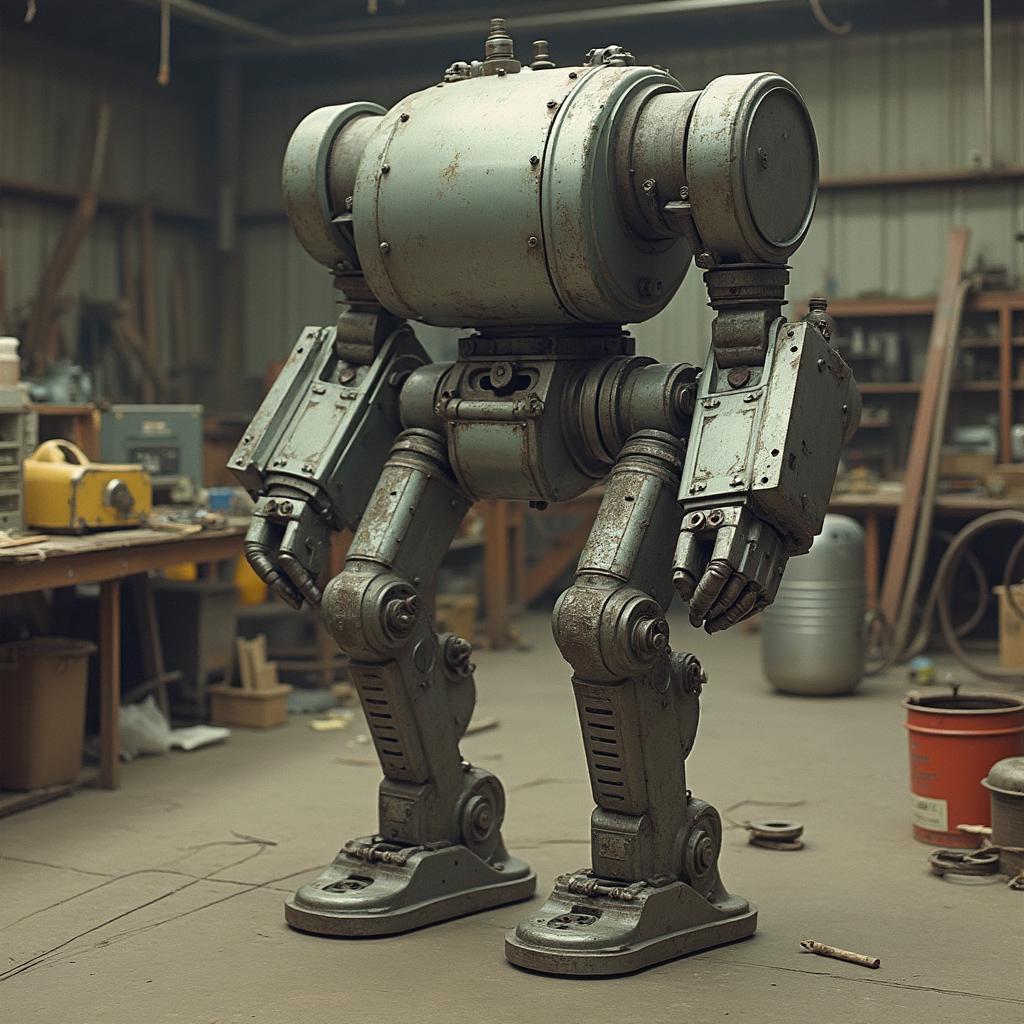
Hydraulic Actuator
Mechanical Joint Pivot
Provides the raw physical strength to adjust heavy flight surfaces.
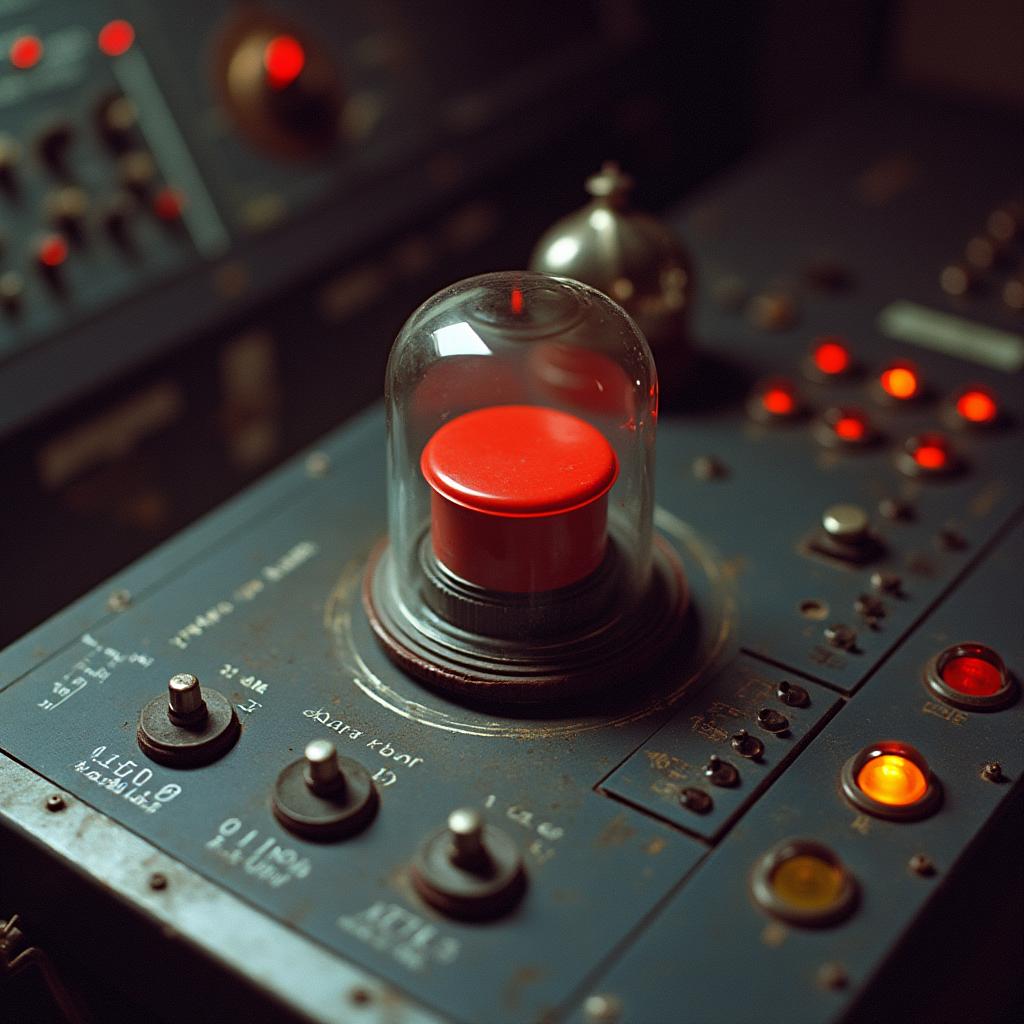
Emergency Abort Sequence
Critical System Override
The last line of defense when everything else fails.
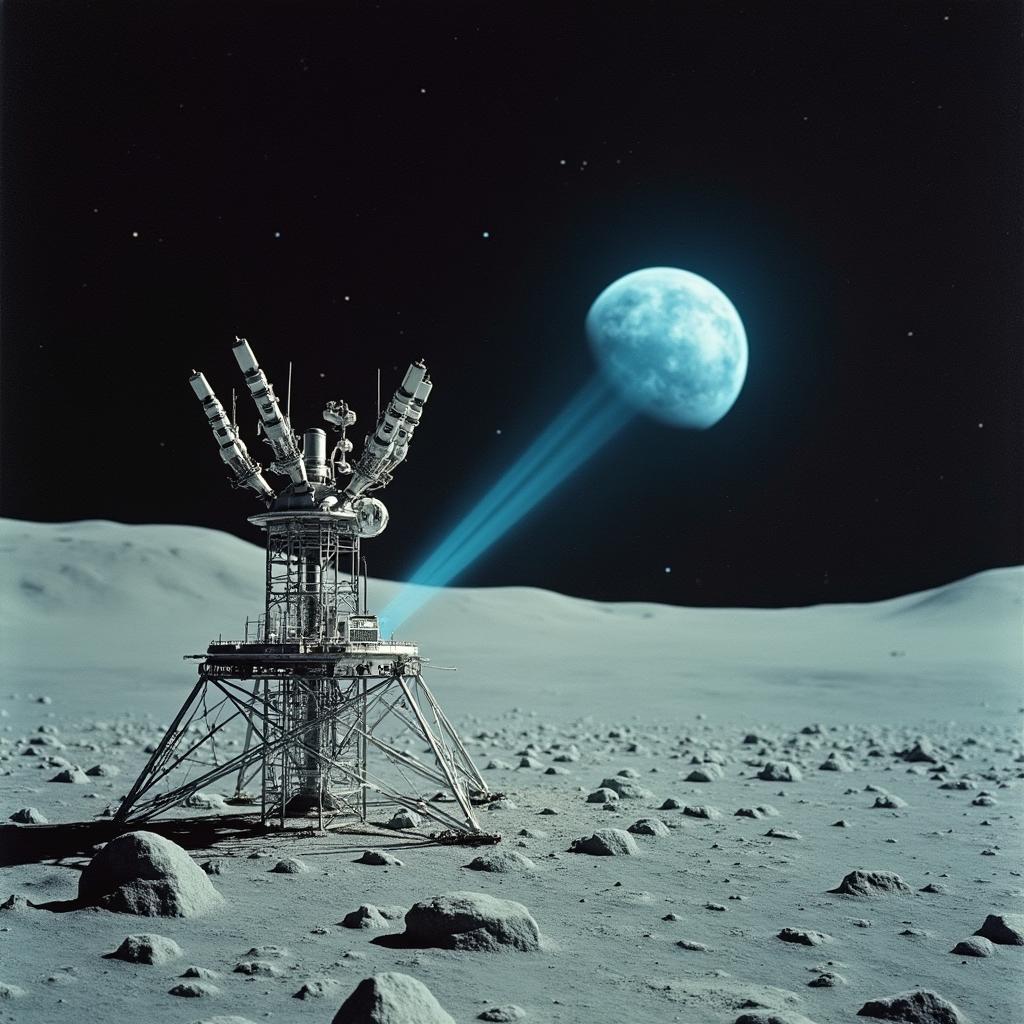
Telemetry Array
Data Retrieval Network
Streams mission-critical information back to ground control.
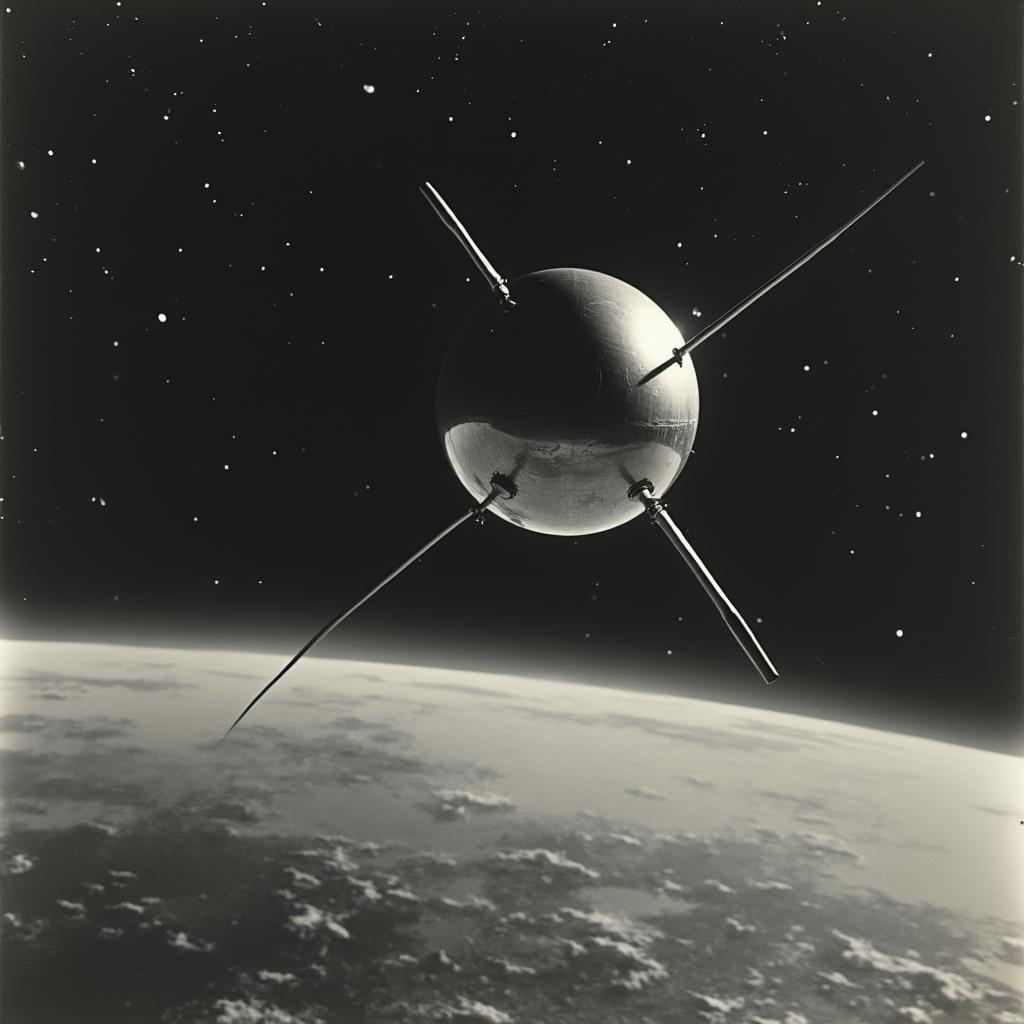
Sputnik 1
First Artificial Satellite
Launched in 1957, this pressurized metal sphere became the first artificial object to orbit Earth. Its successful transmission of radio pulses triggered a global shift in technological competition, marking the formal beginning of the Space Race between the United States and the Soviet Union.
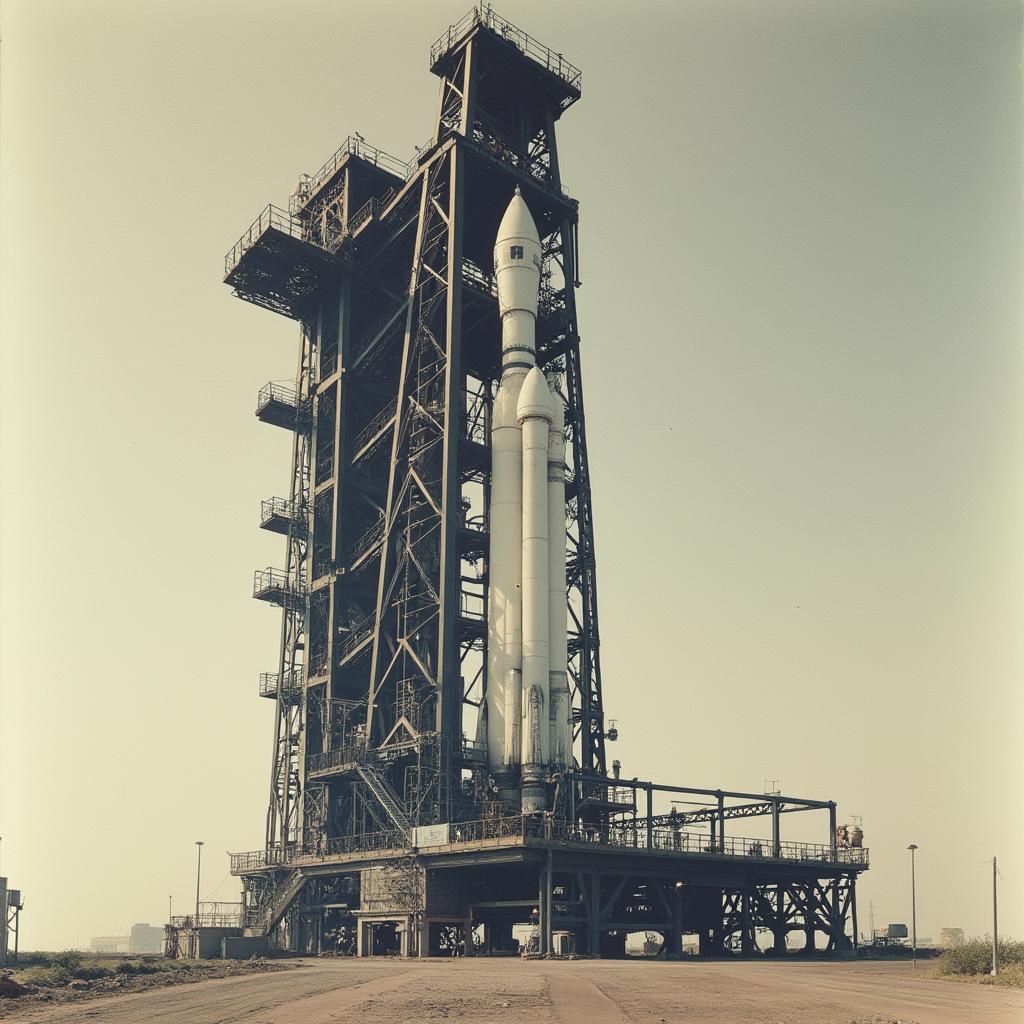
Launch Pad Gantry
Mobile Service Structure
These massive steel structures evolved from early ballistic missile platforms into the complex support systems required for crewed spaceflight. They served as the final point of human contact with a vessel before it broke the bonds of gravity during the intense competition of the mid-20th century.
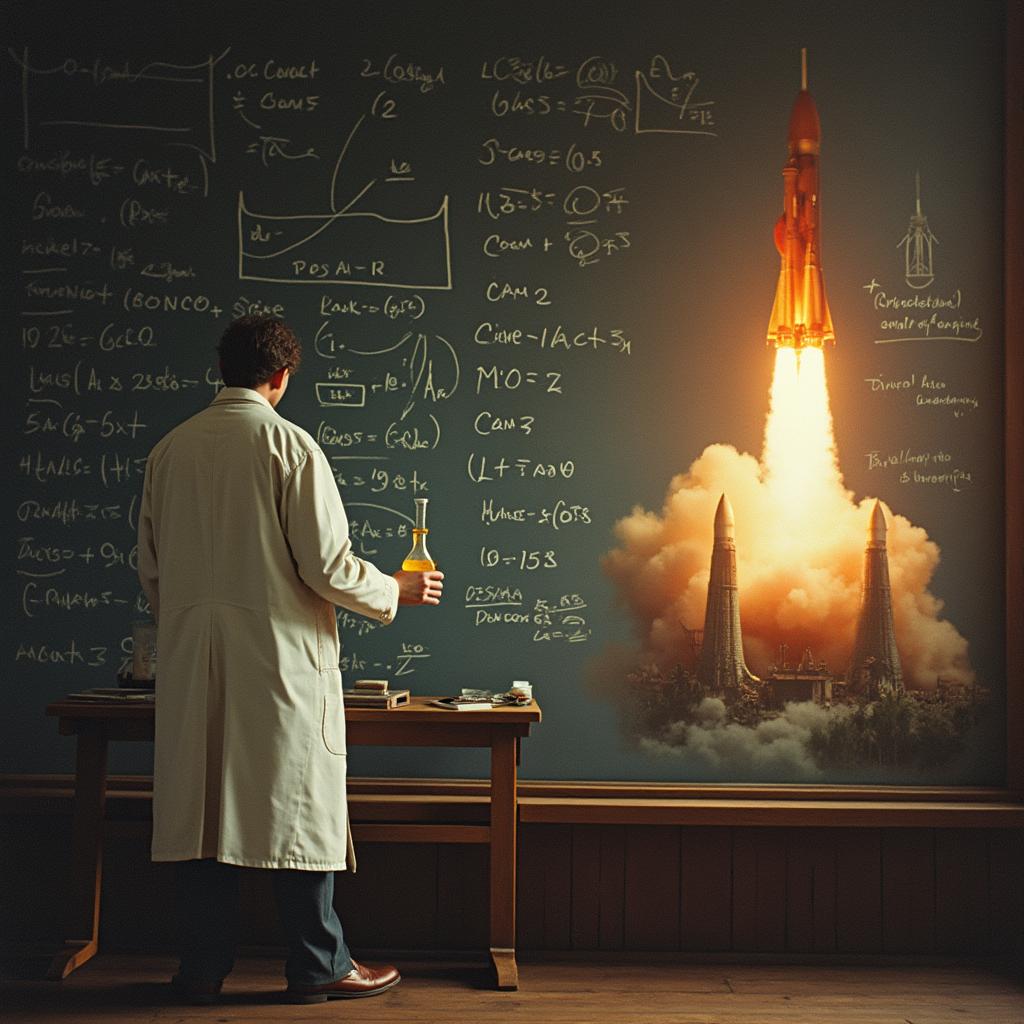
Rocket Propulsion Scientist
Combustion Theory Expert
These specialists mastered the chemistry of liquid and solid propellants, essential for overcoming the Earth's gravitational pull. Their work in thermodynamics and combustion efficiency defined the capabilities of the era, transforming experimental designs into reliable vehicles capable of reaching orbital velocities.
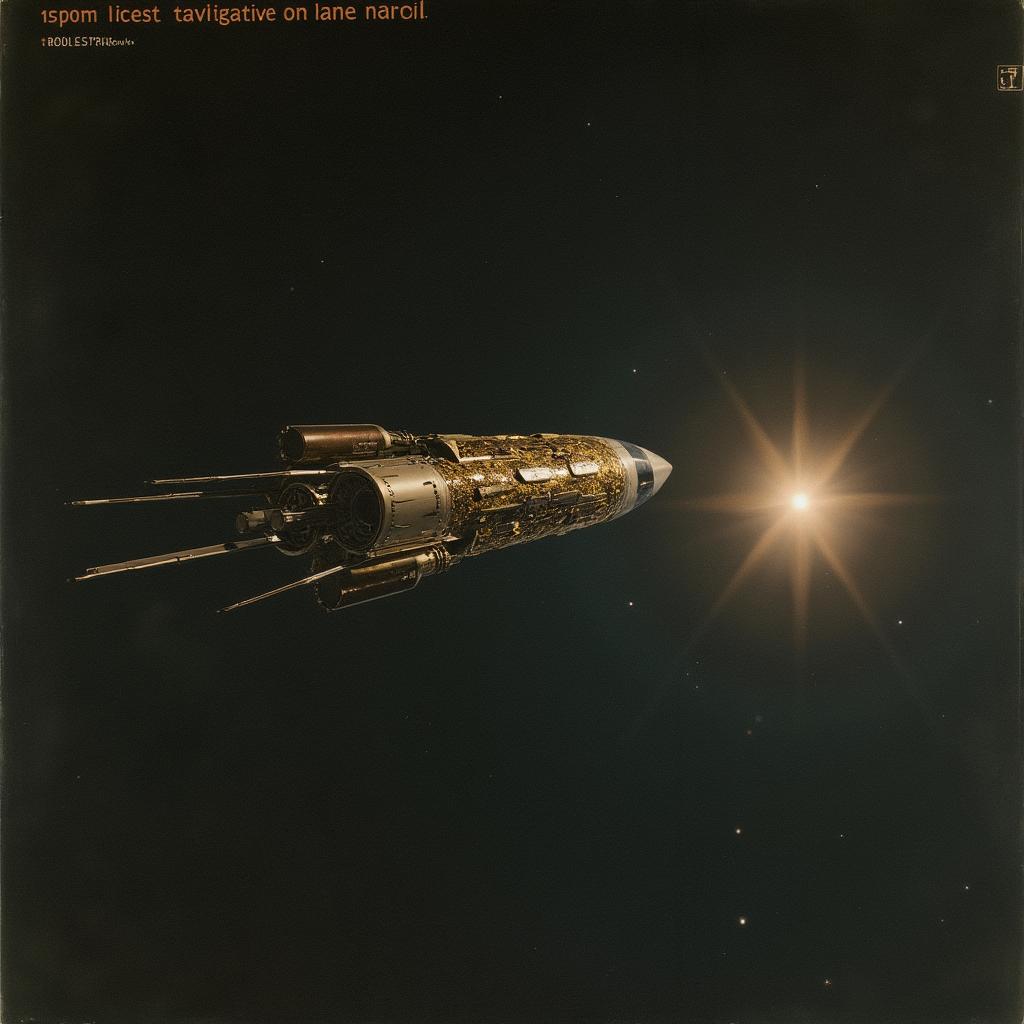
Deep Space Probe
Long-Distance Observer
These autonomous explorers were designed to traverse the void beyond Earth's immediate influence. By transmitting data from the outer reaches of the solar system, they expanded the boundaries of human knowledge and demonstrated the feasibility of long-duration navigation in deep space.
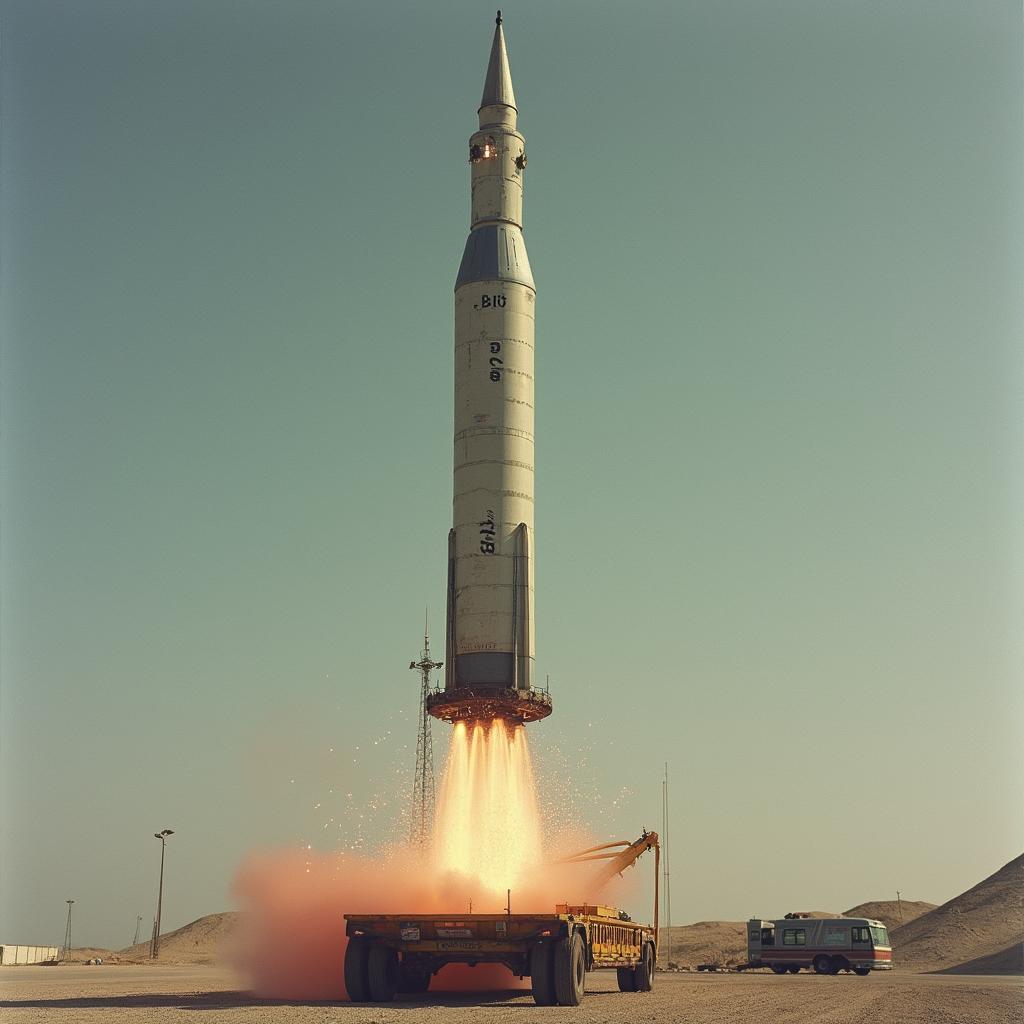
Solid Booster Rocket
High-Density Thrust Source
Providing the immense thrust required for initial atmospheric exit, these solid-fuel systems became a cornerstone of aerospace engineering. They were critical for the rapid acceleration needed to place heavy payloads into orbit during the height of Cold War technological rivalry.
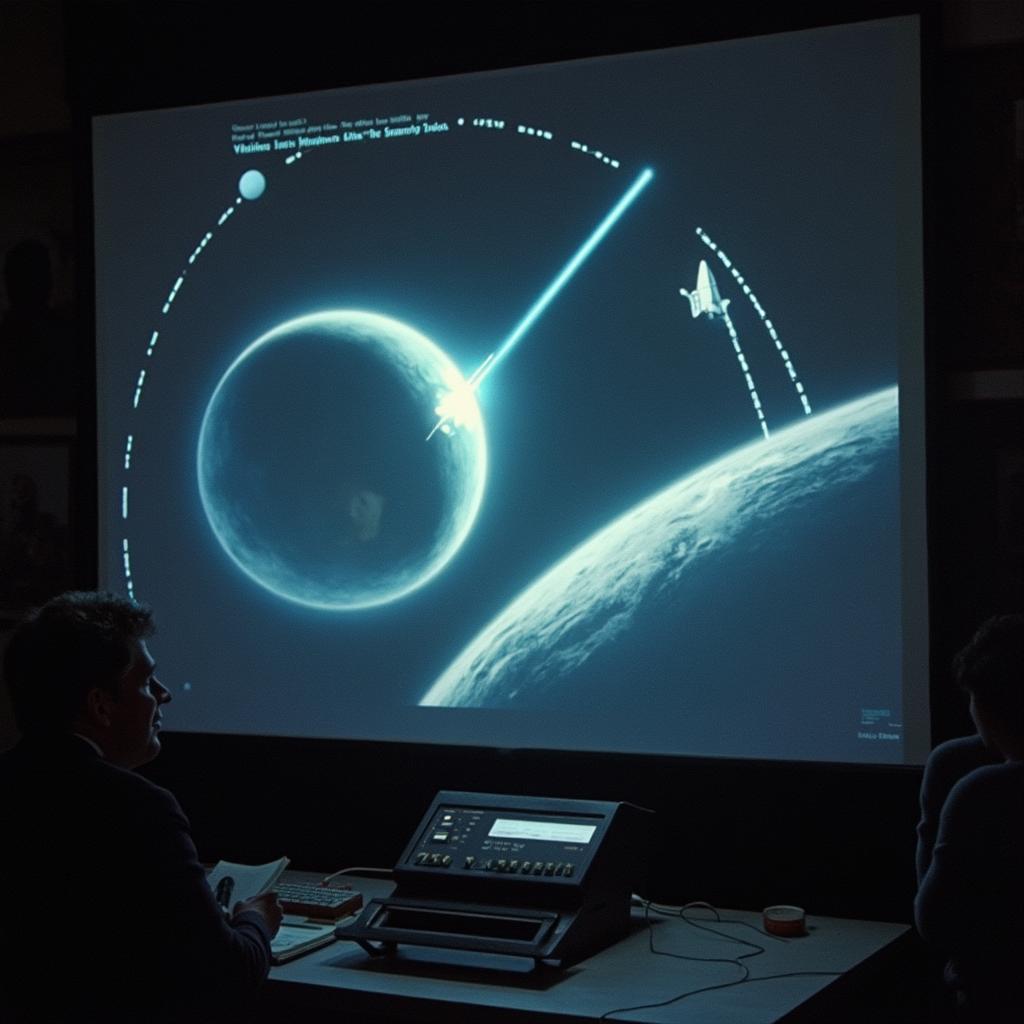
Orbital Insertion Maneuver
Gravity Assist Calculation
This technique utilizes the gravitational field of a planetary body to alter a spacecraft's speed and trajectory. It remains a fundamental principle in orbital mechanics, allowing missions to conserve limited fuel supplies while navigating the vast distances of our solar system.
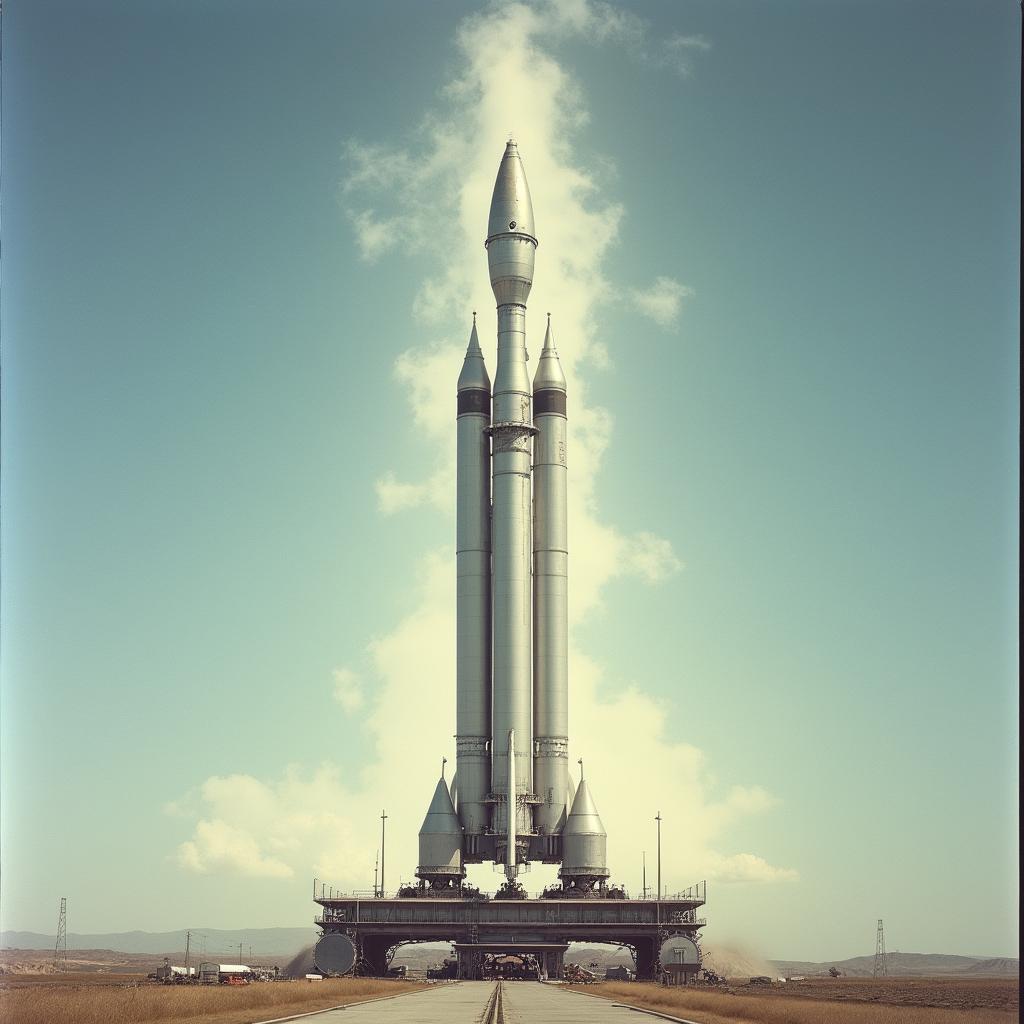
Saturn V
Heavy-Lift Launch Vehicle
Developed for the lunar program, this three-stage super-heavy-lift vehicle remains the most powerful rocket ever successfully flown. It represented the pinnacle of 1960s aerospace engineering, enabling the first human landings on the moon and establishing a legacy of deep-space exploration capability.
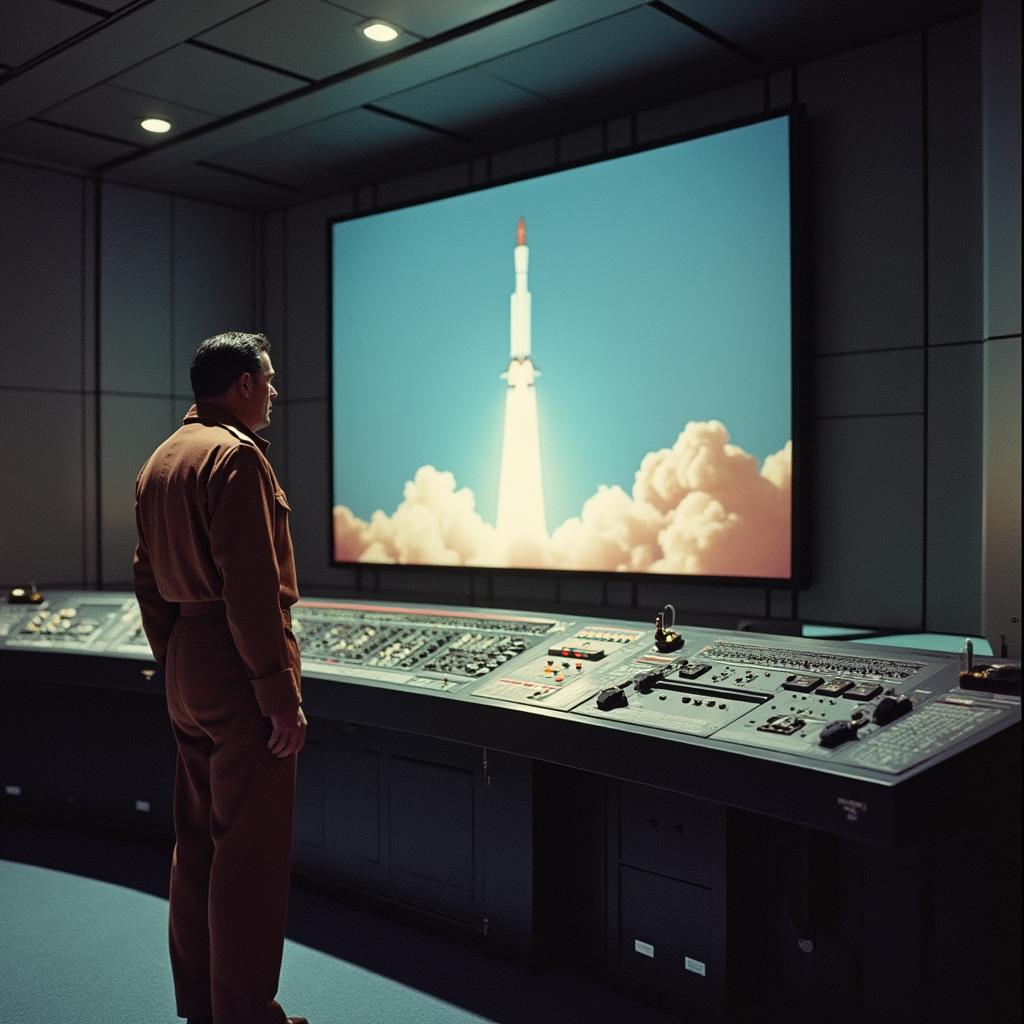
Mission Control Commander
Operational Lead Coordinator
These individuals managed the intricate coordination of ground-based tracking and flight telemetry. Their role was vital for mission success, ensuring that complex operations were executed with precision from the moment of launch until the safe return of the crew and hardware.
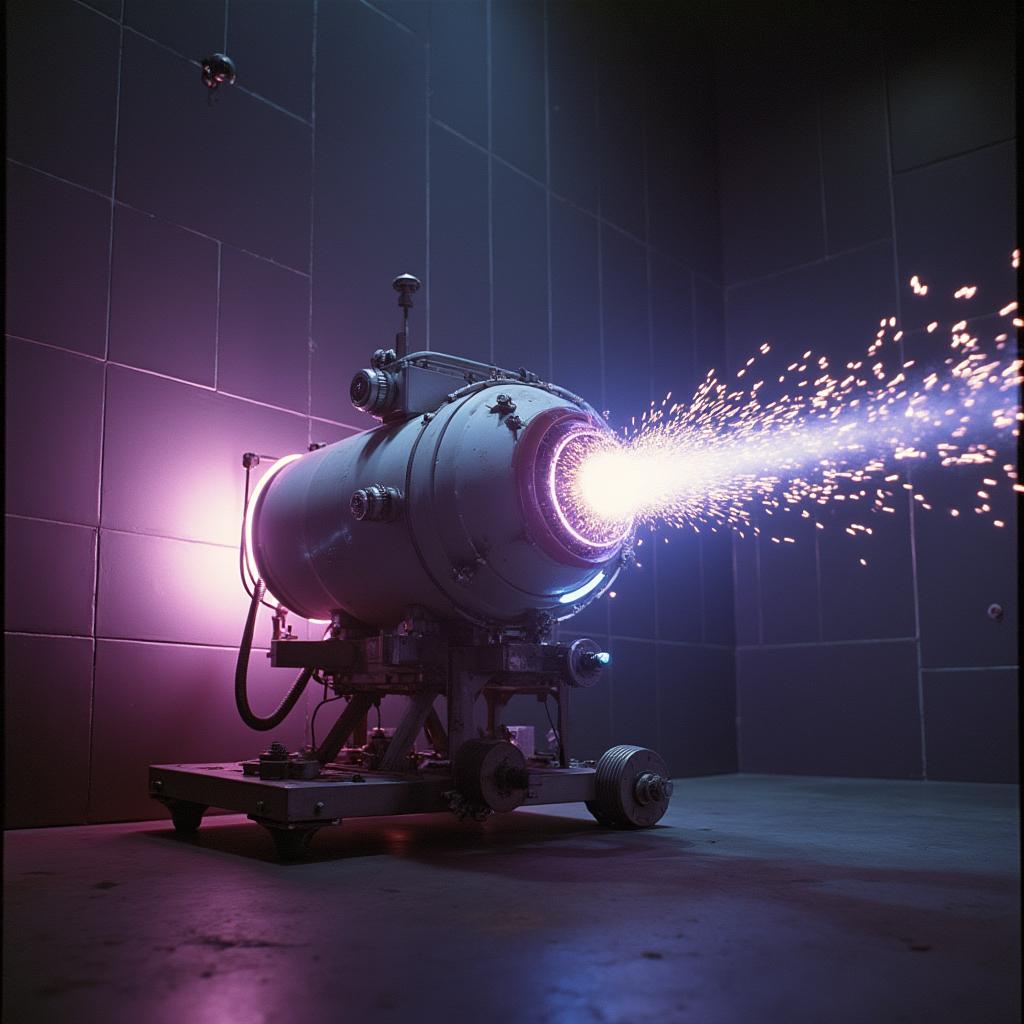
Experimental Plasma Thruster
Advanced Propulsion Prototype
By accelerating ions using electrical fields, these engines achieved exhaust velocities far beyond traditional chemical rockets. This advancement offered a glimpse into the future of long-distance space travel, prioritizing fuel efficiency for missions that would eventually span years in transit.
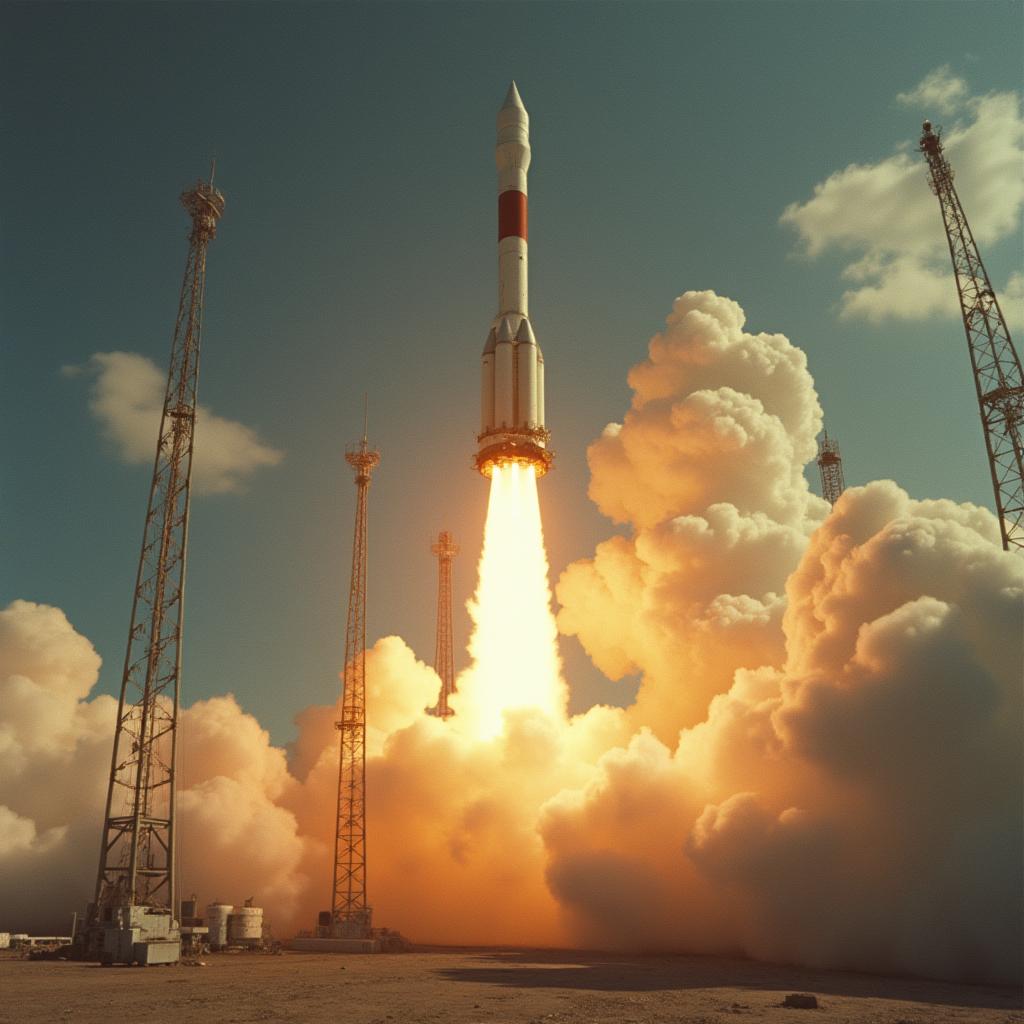
Ignition Sequence
Launch Countdown Final Stage
This critical procedure initiates the controlled burn of propellant, committing the vehicle to its flight trajectory. It marks the transition from static testing to active mission status, serving as the definitive moment where decades of engineering research are finally put to the ultimate test.
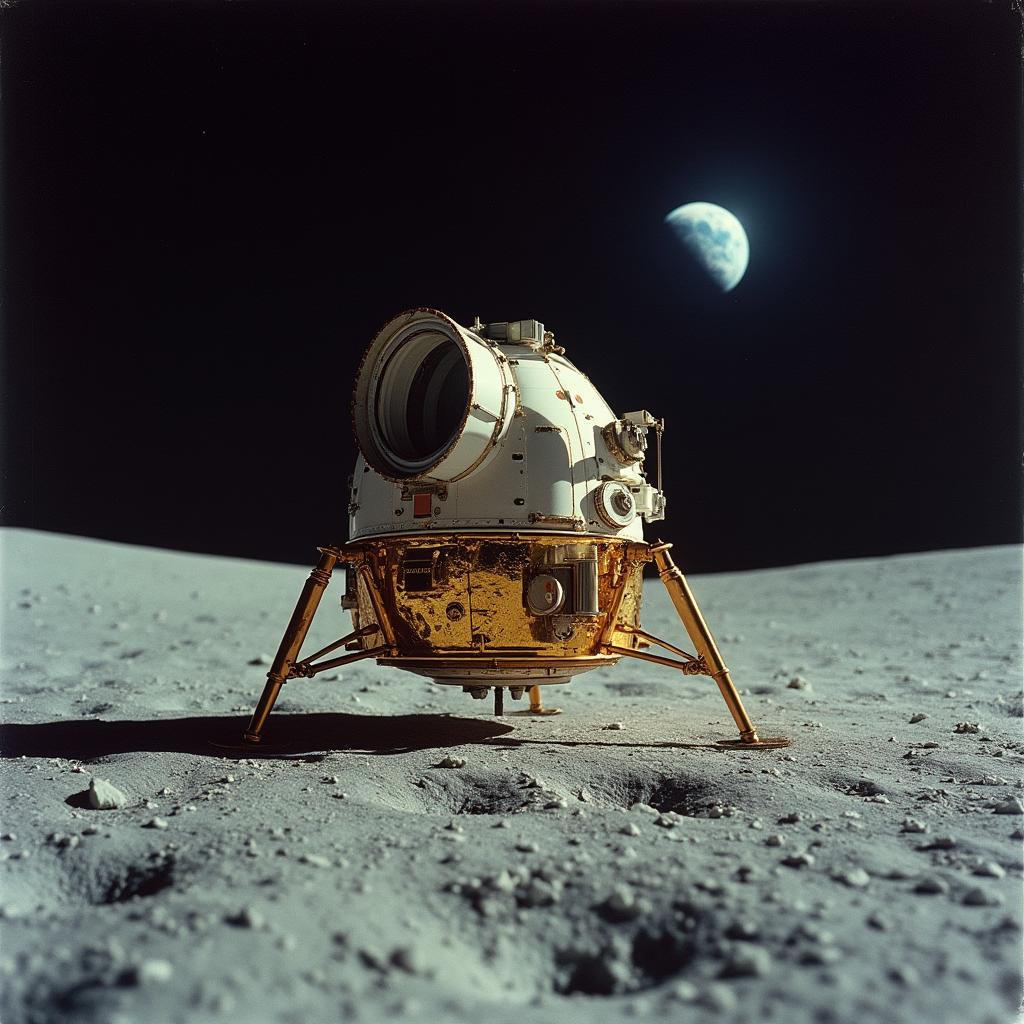
Apollo 11
First Crewed Lunar Landing
In 1969, this mission achieved the first human landing on the lunar surface, effectively fulfilling a national goal set earlier in the decade. It stands as a defining moment in human history, demonstrating that complex international competition could drive unprecedented leaps in technological and scientific achievement.
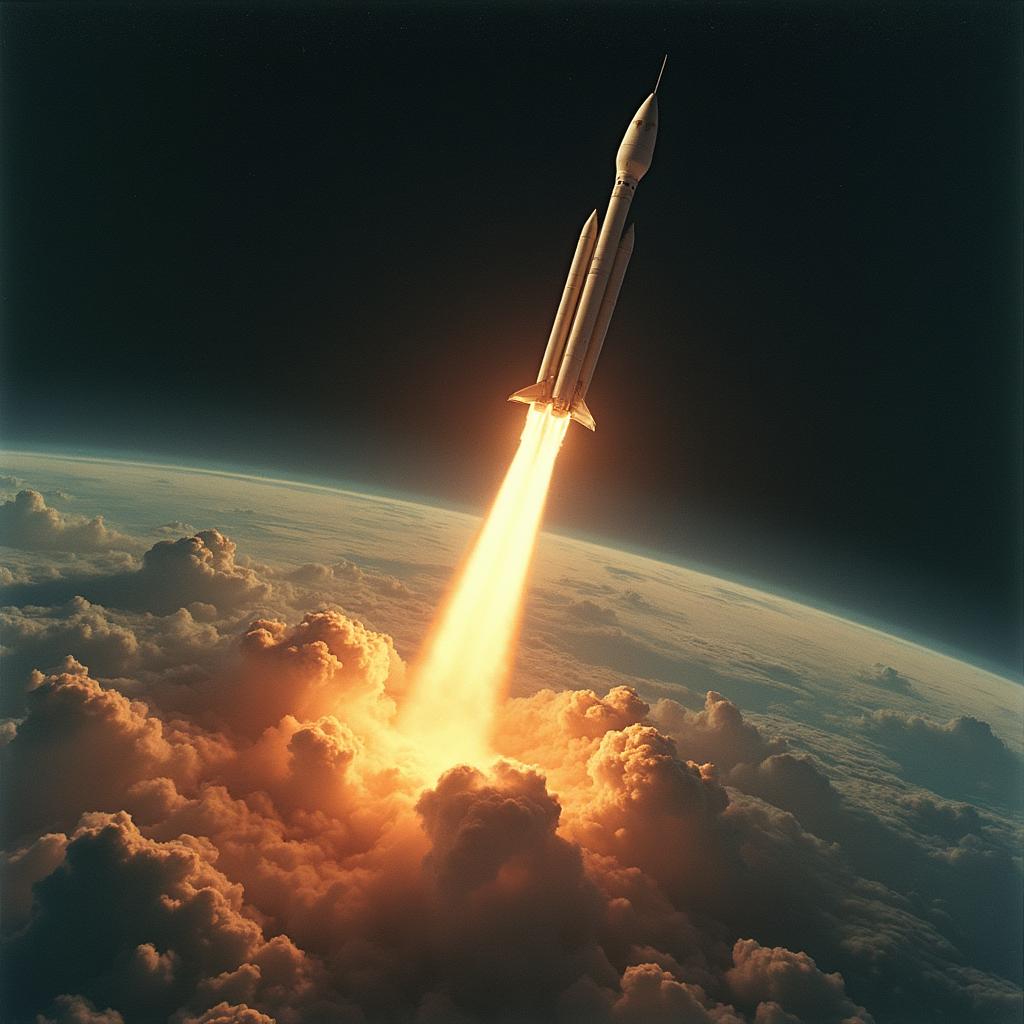
The Great Ascent
Breaking Earth's Gravity
This term refers to the collective effort to reach orbital space, a feat that transformed human perspective on our planet. The rapid development of flight technology during this era fundamentally altered global security and communication, leaving an indelible mark on the progress of 20th-century civilization.