Chess Openings
30 cards and 2 towers, generated on “Chess Openings”. Language: en.
Towers

The White Palace
The White Palace embodies the classical principle of the initiative, rooted in the inherent advantage of the first move. Historically, this concept gained prominence through the rigorous study of the Italian and Spanish masters who sought to translate the initial tempo into a lasting territorial hold. Scientifically, this reflects a state of proactive equilibrium, where the structure is designed to absorb the chaos of the opening while maintaining a firm grip on the center. In the tradition of grand strategy, it is the embodiment of the patient builder who secures the board before the real conflict begins. It stands as a testament to the power of order, carefully nurturing the forces under its command to ensure that every movement serves the ultimate goal of stability, patiently watching over the board to reinforce those who hold the line.
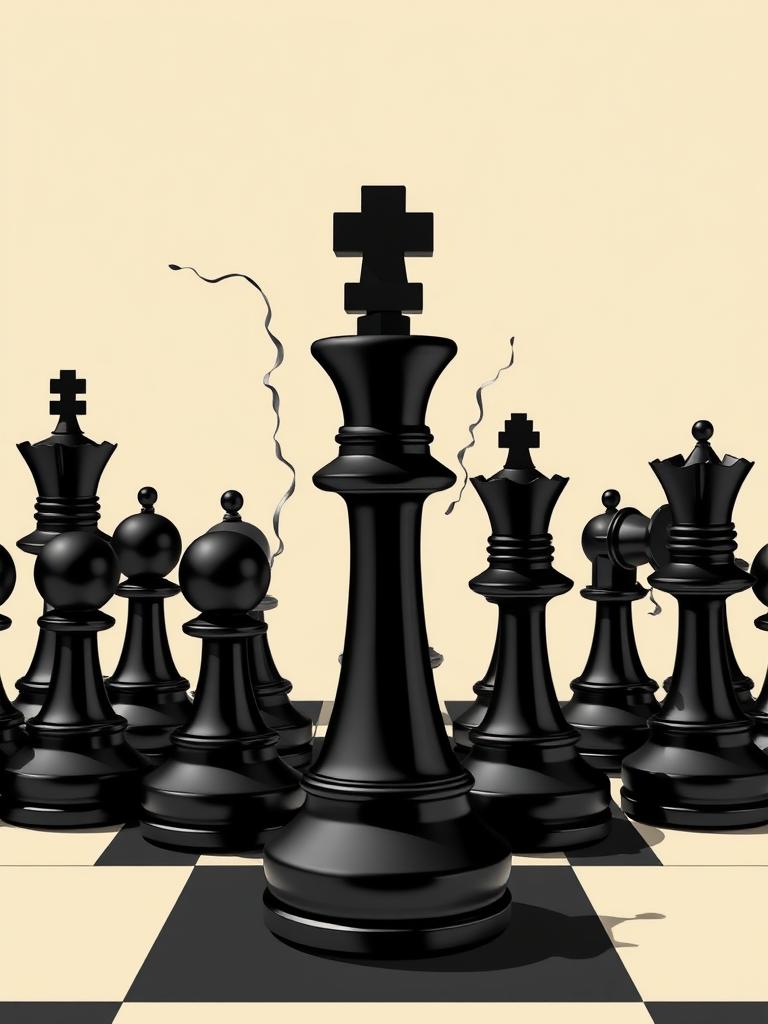
The Black Fortress
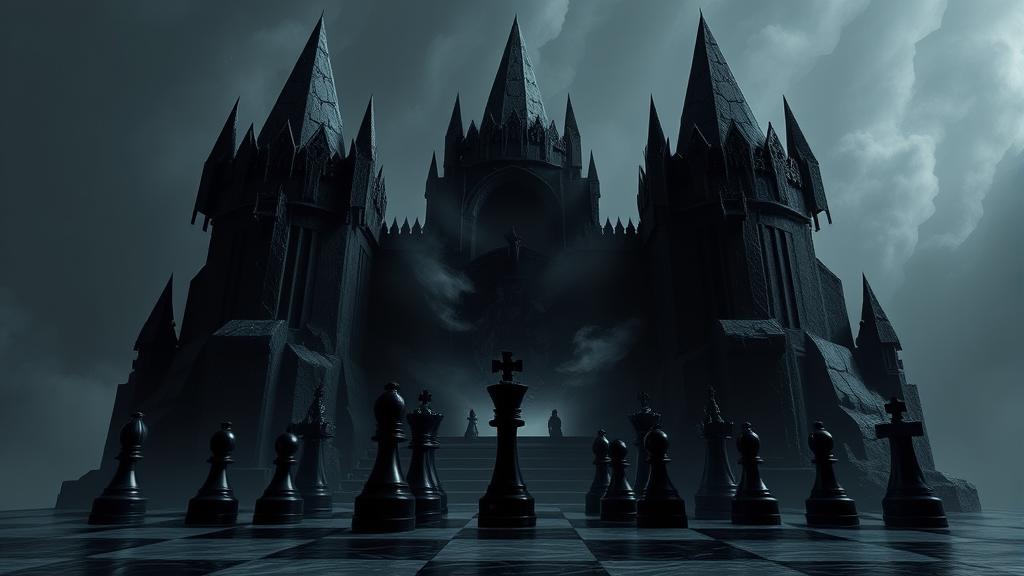
The Black Fortress represents the resilience of the counter-attacker, a philosophy that has defined the most legendary defensive struggles in the history of the game. It is built upon the tactical principle of the pivot, where a seemingly passive structure suddenly transforms into an engine of destruction once the center is breached. Like the intricate, asymmetric lines of the Sicilian, it thrives on the tension created by the opponent's aggression, utilizing that very energy to fuel its own swift and decisive operations. It is a bastion of calculated risk, where the balance of power is constantly shifting, and the strength of the defense lies in its ability to wait for the perfect moment to strike back. It remains a vigilant guardian, ready to sow chaos among the ranks of those who overextend their reach, ensuring the safety of the realm through the art of the riposte.
The 30 cards

Pawn Advance
Space Gaining Thrust
Pushing the central pawns to restrict opponent mobility.

Knight Development
Steed Maneuver
Bringing the knights out to control the center squares.

Bishop Fianchetto
Diagonal Archer
Placing the bishop on a long diagonal to snipe from distance.

Castling
King's Sanctuary
Securing the monarch behind a wall of loyal pawns.

Center Control
Strategic Dominance
The invisible pressure of pieces eyeing the middle.

King's Indian Pawn
The Sleeping Giant
A pawn waiting for the perfect moment to break.

Sicilian Counter
Asymmetric Strike
A sharp strike against the e4 opening structure.

Exchange Variation
Simplified Tensions
Removing pieces to clarify the endgame state.

Gambit Pawn
Sacrificial Bait
Offered to the opponent to gain time and development.

Material Sacrifice
The Greater Good
Trading a piece for an overwhelming positional advantage.

French Defense
The Closed Wall
A solid structure that forces the opponent to play slow.

Caro-Kann Advance
Rock Solid
Unbreakable pawn chain that defends the king.

Dragon Variation
Fiery Counter-Attack
A ferocious setup for the Sicilian Defence.
Queen's Gambit Accepted
Taking the Bait
Grabbing the center pawn to force a complex struggle.

Benko Gambit
Positional Pressure
Giving up a pawn for long-term pressure on the queenside.

Kingside Attack
Overwhelming Force
Concentrating pieces for a final assault.
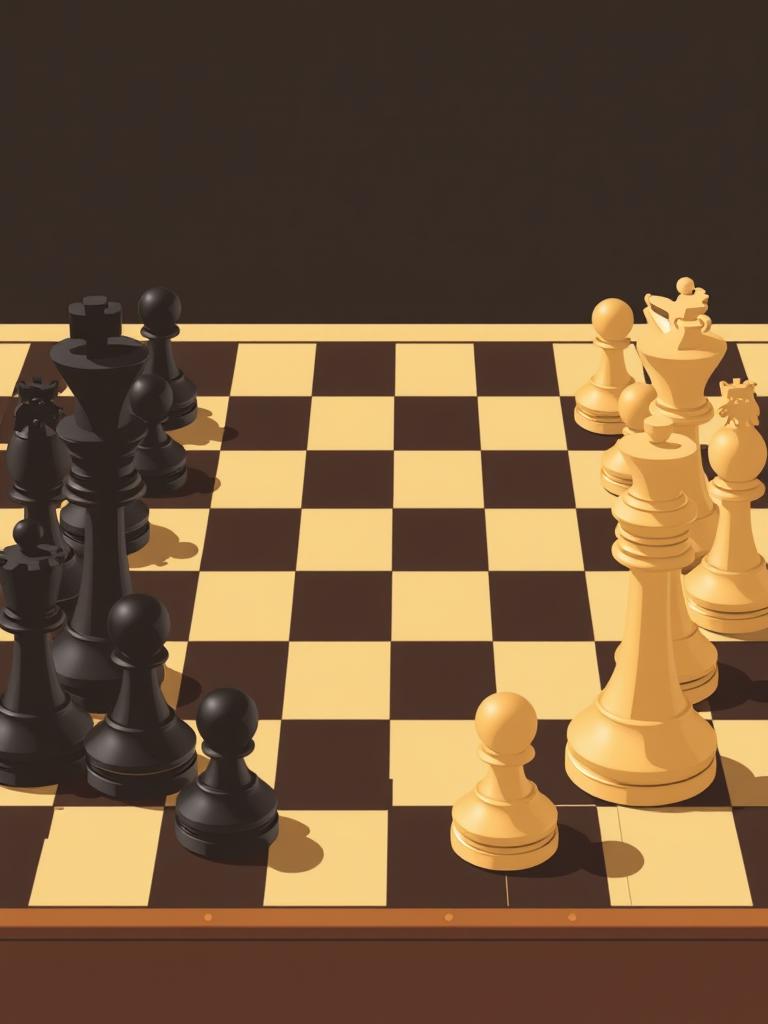
Queenside Expansion
Strategic Encirclement
Slowly grinding down the opponent's defenses.

Sharp Tactics
Calculation Depth
A sequence of moves that creates insurmountable tactical issues.

Ruy Lopez
The Spanish Game
Beginning with 1. e4 e5 2. Nf3 Nc6 3. Bb5, this opening remains a cornerstone of classical theory. By attacking the knight that defends the central e5 pawn, it forces Black to make immediate structural decisions, dictating the flow of the game from the very first moves.
Queen's Gambit
The Central Struggle
Initiated by 1. d4 d5 2. c4, this classic approach sacrifices a flank pawn to challenge the center. It prioritizes long-term positional advantages and structural stability over immediate tactical skirmishes, serving as a reliable foundation for those seeking to control the pace of play.

King's Indian Defense
The Hypermodern Setup
This hypermodern setup permits White to build a large center, only to challenge it later with thematic pawn breaks. It is a favored choice for players seeking dynamic, counter-attacking positions where the game evolves into a sharp struggle for central dominance.
Sicilian Najdorf
The Ultimate Counter
Represented by the sequence 1. e4 c5, this complex variation of the Sicilian is renowned for its depth. It demands precise calculation, as it creates an asymmetrical board state where every move carries significant risk and potential for a decisive tactical breakthrough.

Evans Gambit
Violent Sacrifice
A classic romantic-era strategy where White sacrifices a pawn to accelerate development and seize control of the center. It prioritizes rapid piece activity and aggressive attacking lines, forcing the opponent to defend against immediate threats while White maintains the initiative.

Grandmaster Insight
Calculated Precision
Representing the deep, calculated understanding of masters, this concept distills years of study into a single moment of clarity. It allows players to perceive the underlying geometry of the board, identifying the most efficient path to strengthen their position and prepare for the endgame.

The Sicilian Defense
The Asymmetric Shield
As the most popular response to 1. e4, the Sicilian Defence introduces immediate asymmetry. By challenging the center from the flank, Black avoids symmetrical structures, creating a volatile environment where the initiative shifts rapidly and every exchange serves a deeper, long-term strategic purpose.

The Ruy Lopez Opening
The Spanish Architect
A profound exploration of strategic tension, this opening has evolved through centuries of master-level play. It tests a player's ability to maintain pressure while navigating the subtle, long-term implications of piece placement, rewarding those who prioritize structural integrity and methodical, forward-thinking planning.
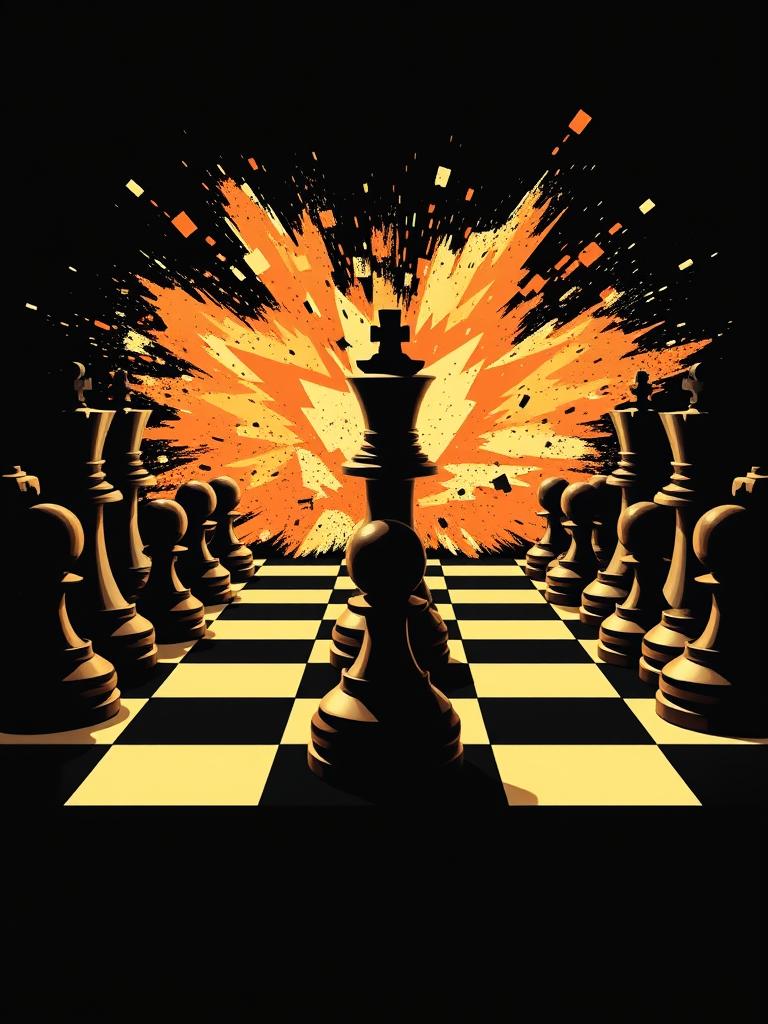
The King's Indian Defence
The Dynamic Bastion
This flexible defense allows Black to invite White into the center before launching explosive, counter-attacking sequences. Its power lies in the transition from a passive setup to a sharp, tactical battlefield, where the resulting complexity often overwhelms those unprepared for the sudden shift in momentum.

The Queen's Gambit
The Imperial Opening
This authoritative opening sequence focuses on the fundamental struggle for the center of the board. By dictating the tempo early, it forces opponents into a defensive posture, allowing the player to dictate the strategic direction of the game while securing a lasting advantage.
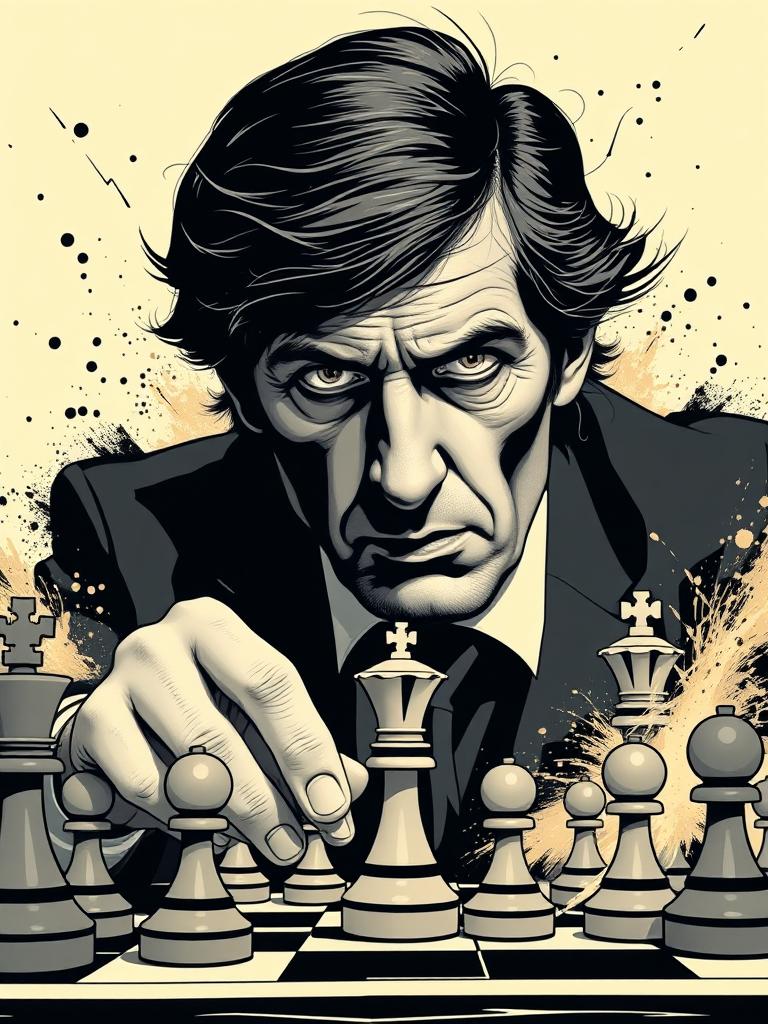
Bobby Fischer
The Master of Tactics
A revolutionary figure in chess, Bobby Fischer famously revitalized the Sicilian Defence at the highest level. His relentless pursuit of the initiative and his ability to convert complex tactical positions into wins redefined how the game is approached by generations of subsequent masters.
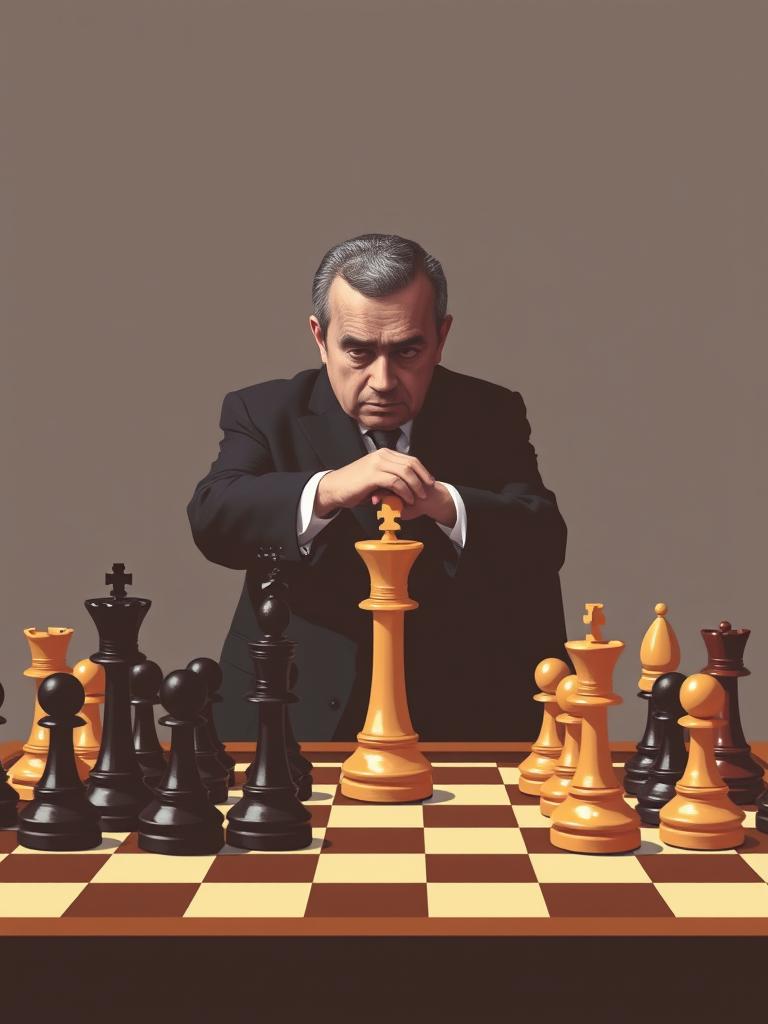
Garry Kasparov
The King of Strategy
As a dominant force in the chess world for decades, Garry Kasparov refined the art of the opening. Known for his aggressive yet theoretically sound preparation, he utilized deep positional insights to dismantle opponents, maintaining control through precise, impenetrable structures that left little room for error.