Poker Cards
30 cards and 2 towers, generated on “Poker Cards”. Language: en.
Towers
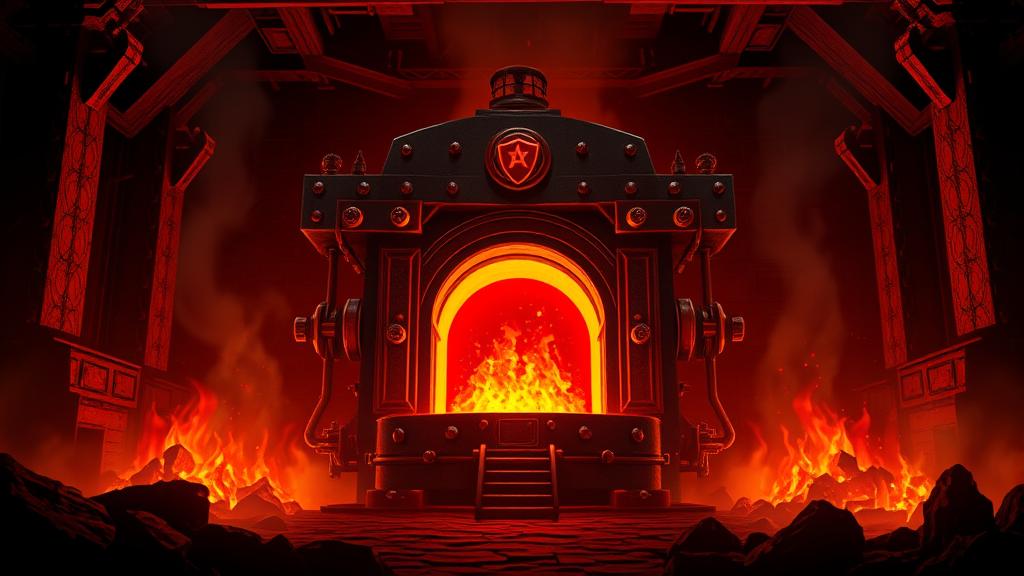
Furnace of Forging
The production of high-quality cards requires extreme heat and pressure to bond paper layers and emboss finishes. Historically, the United States Playing Card Company utilized massive steam-powered machinery to press the linen texture into their signature Bicycle brand decks. This process removes moisture and compresses fibers, ensuring the durability required for professional use. Much like a forge tempering steel, the manufacturing environment transforms raw cellulose into a resilient tool for strategy. The precision of the press determines whether a deck will glide or clump, directly influencing the outcome of any match. A perfectly tempered deck stands ready to withstand the rigors of endless shuffling and high-stakes competition, ensuring the integrity of the game remains untarnished by wear or environmental degradation.

Archive of Deception
In the early 19th century, the surge of poker in New Orleans created a demand for specialized card designs that could baffle opponents. The Archive of Whispers draws from this tradition of concealment, where card backs were printed with intricate, non-directional patterns—often called 'bank note' styles—to hide subtle marks or wear. These complex geometric designs serve as a psychological barrier, ensuring that the information hidden on the face of the card remains inaccessible to the uninitiated. In the world of competitive gaming, the ability to obscure one's intentions is as vital as the cards themselves. By controlling the flow of hidden information, the archive ensures that only those with total mastery over their resources can navigate the shifting patterns of the game.
The 30 cards
Numbered Two
The humble start
A simple digit, often overlooked until the final count.

Numbered Three
A minor addition
The foundation for a winning streak begins here.
Numbered Four
Steady increment
Stable and reliable, never flashy but always present.

Spade Pips
Monochrome sharpness
Sharp edges designed to cut through tactical defenses.

Heart Pips
Crimson markings
The lifeblood of the deck, vibrant and essential.

Diamond Pips
Geometric precision
Hardened corners for precise strategic strikes.

Club Pips
Rounded impact
Heavy and blunt, designed for direct confrontation.

Numbered Five
Mid-tier potential
A versatile digit that shifts with the wind.
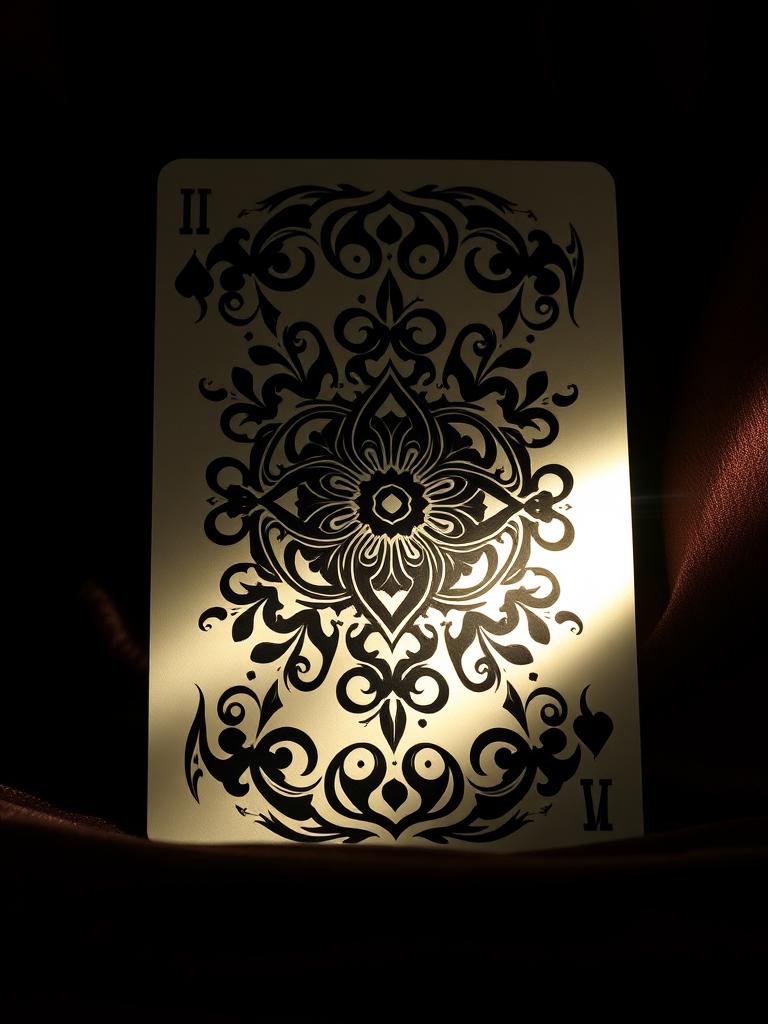
Card Back Design
Protective aesthetic
Ensures the hidden nature of the hand.

Worn Edge
The passage of time
A tell that marks the card as heavily played.

Numbered Six
Turning point
Where the lower digits find their true voice.

Numbered Seven
The lucky increment
Famed for turning tides in desperate situations.

Numbered Eight
Solid structure
A heavy digit that anchors the ranks.
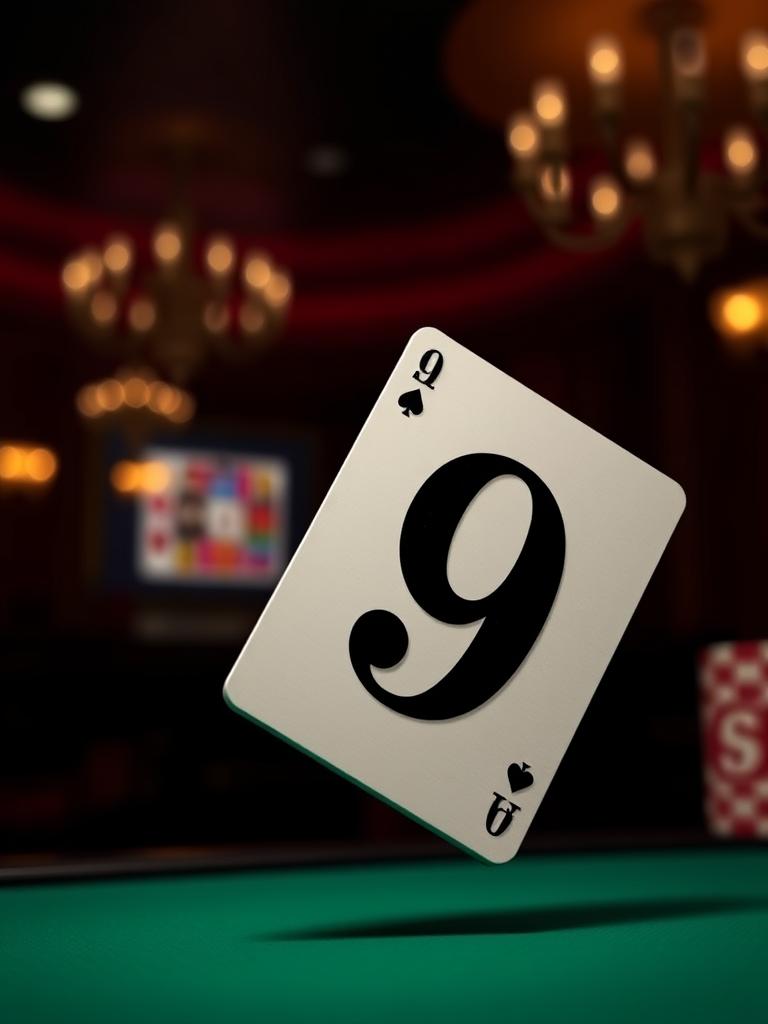
Numbered Nine
The near apex
Just one step away from reaching the peak.
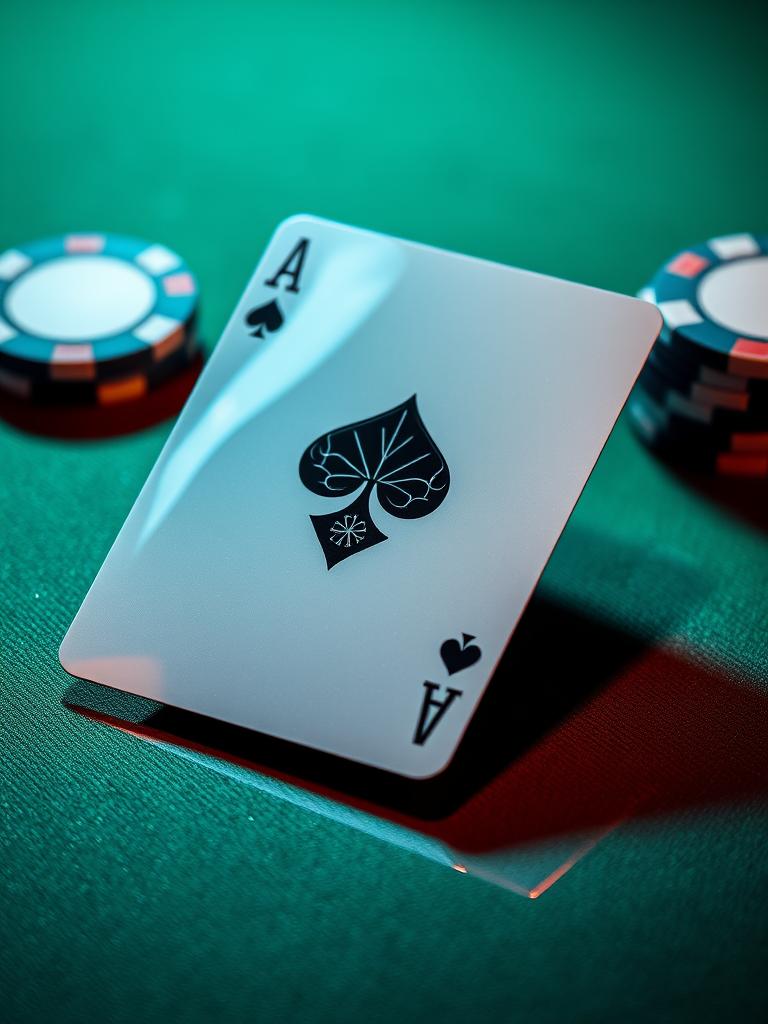
Plastic Coating
Durability layer
Protects the card from moisture and physical wear.

Linen Finish
Textured glide
Air pockets ensure the deck slides with ease.

Corner Index
Readability aid
Allows the player to see their hand at a glance.

Joker
The wildcard element
An outsider that defies standard deck logic.

Jack of Spades
The tactical blade
Tracing its lineage to the French court cards of the 16th century, this figure represents the martial arm of the deck. Historically identified as Ogier the Dane, a paladin of Charlemagne, the Jack of Spades remains a central icon in standard 52-card configurations.

Queen of Hearts
Royal compassion
Historically associated with Judith or the biblical Esther, the Queen of Hearts embodies the emotional core of the deck. Since the standardization of playing cards in the 19th century, this figure has served as the primary feminine archetype in games of chance and strategy.

King of Diamonds
Wealth and weight
Often depicted in profile, this figure draws inspiration from Julius Caesar. As a cornerstone of the diamond suit, the King of Diamonds represents the wealth and commercial influence that transformed card games into a global industry following the industrial revolution.

Ace of Clubs
The singular force
The Ace of Clubs historically served as the tax stamp location in British decks, a practice that defined the physical design of playing cards for centuries. Its status as the highest-ranking card in many games reflects its unique historical role in colonial trade.
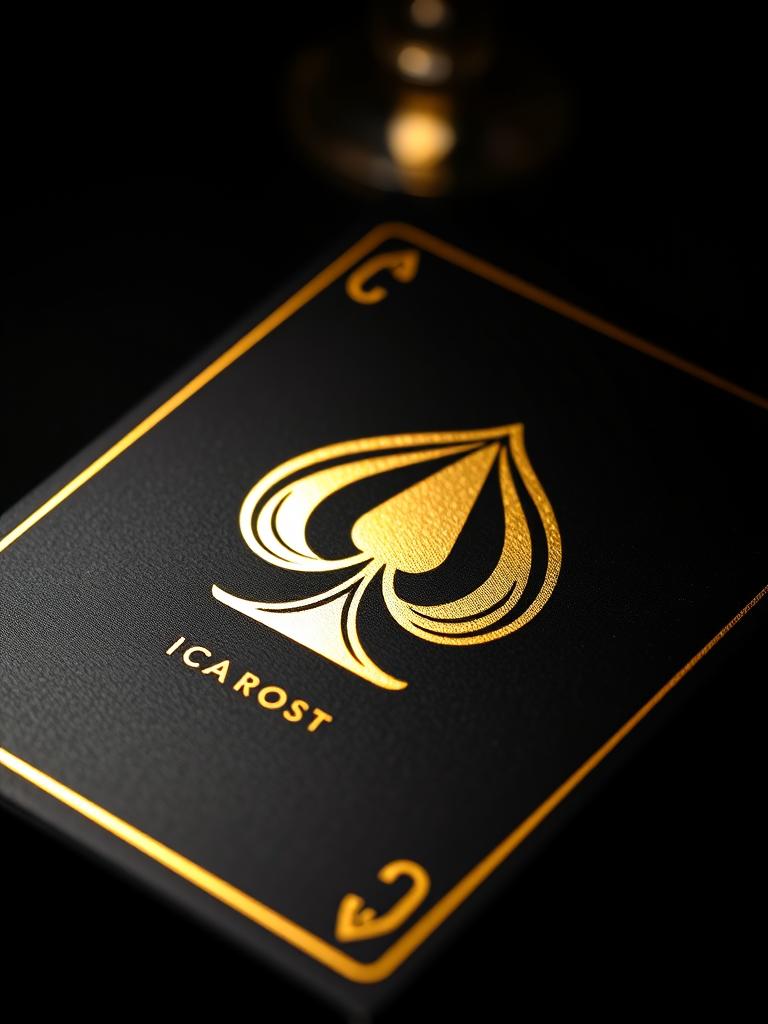
Foil Stamping
Reflective prestige
Advanced production techniques utilize heat and pressure to apply metallic pigments to card boxes. This process, known as foil stamping, prevents light reflection and provides the durable, high-end aesthetic required for premium decks used in professional gaming environments.
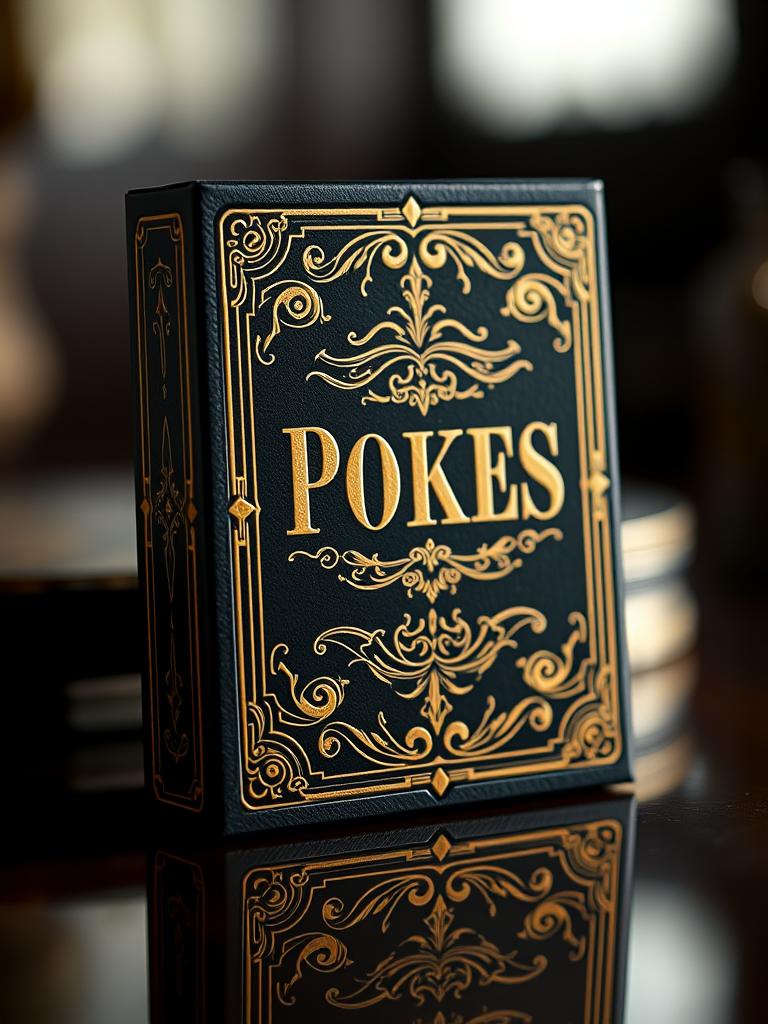
Tuck Case
Secure housing
The tuck case serves as the primary protective enclosure for a standard deck. Beyond simple storage, these paper containers are engineered to maintain the structural integrity of the cards, preventing warping and environmental damage during transport and storage.
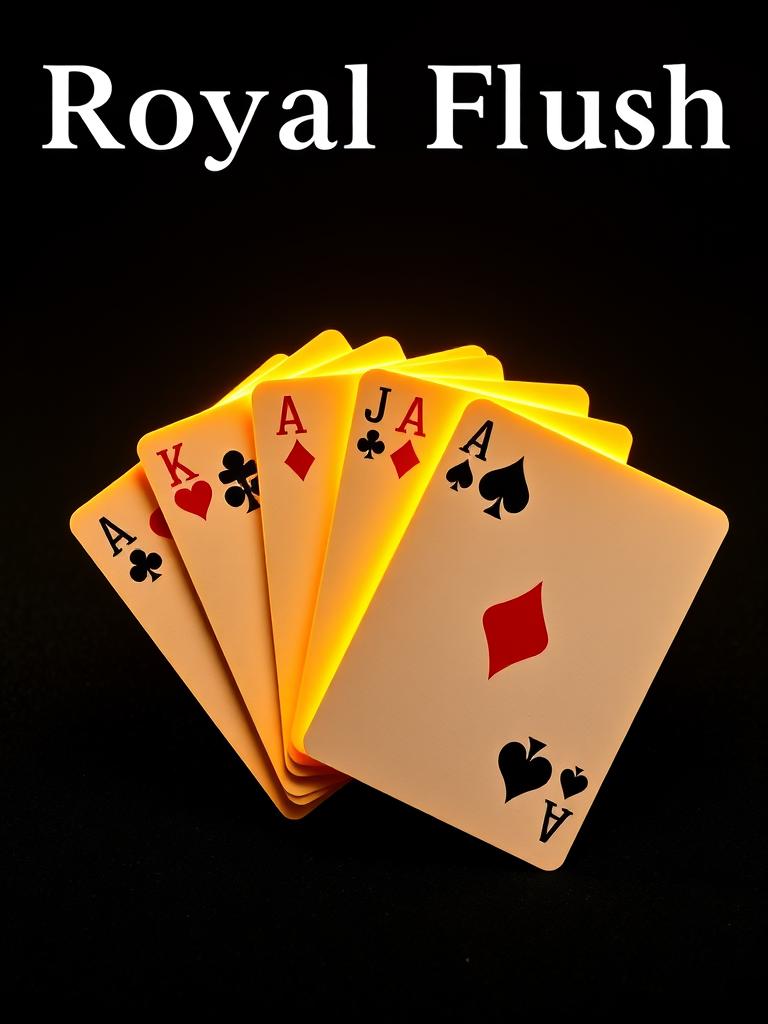
Royal Flush
The peak sequence
A Royal Flush represents the rarest mathematical probability in five-card poker, with odds of approximately 1 in 649,740. This sequence signifies the pinnacle of card hierarchy, an event that defined the competitive landscape of American poker since its 19th-century inception.

Casino Grade Stock
Professional density
Casino-grade stock is engineered using a multi-layer, high-opacity paper core, often bonded with specialized adhesives to ensure rigidity. This material prevents light from passing through the card, a critical requirement for maintaining secrecy during high-stakes games where card markings must remain invisible.

Master Courtier
The face of authority
The court cards—Jacks, Queens, and Kings—originated from the necessity of representing social hierarchies in medieval board games. By the late 1800s, these figures were refined into the standardized designs seen today, serving as the strategic anchors for every major card game.

All In
The terminal wager
The term 'all in' entered the lexicon of American poker during the 19th century, particularly within the competitive atmosphere of New Orleans gambling houses. It marks a transition from tactical betting to a total commitment of resources, often determining the outcome of the entire game.

The Grand Architect
Inventor of the deck
The standardization of the four suits—Clubs, Diamonds, Hearts, and Spades—emerged from the French card-making traditions of the 15th century. This design shift allowed for faster identification and easier production, creating the universal language of cards that persists in 2026.
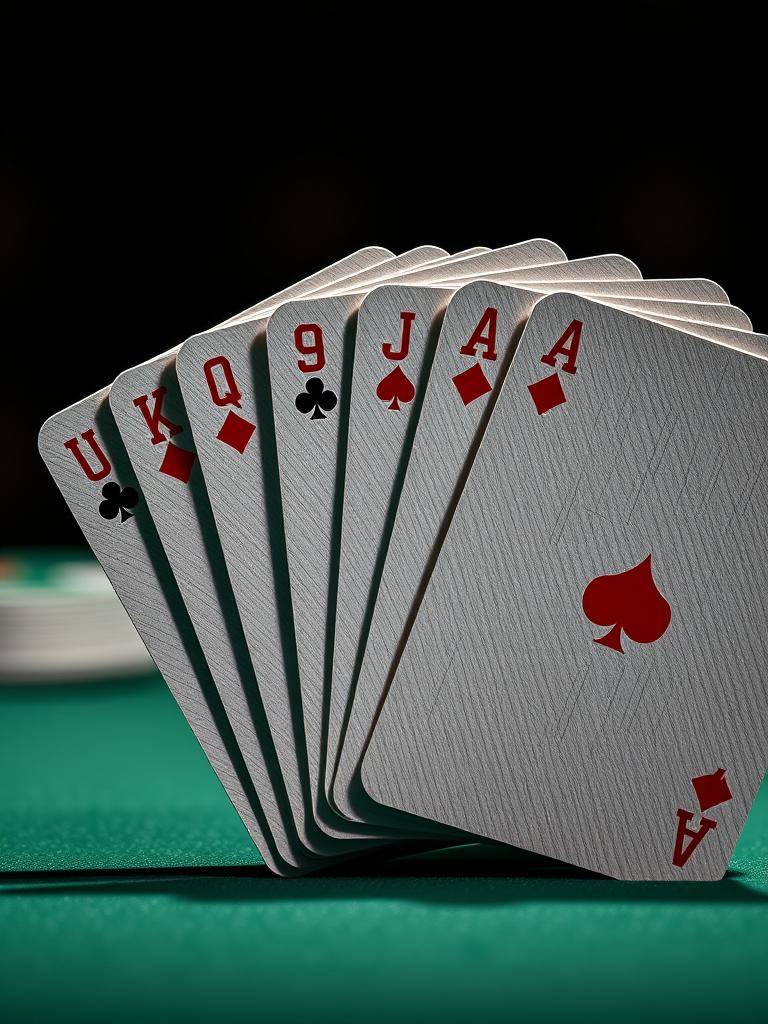
Tournament Standard
Global benchmark
Tournament standard decks are manufactured to strict USPCC specifications, utilizing linen-embossed finishes to create a crosshatch texture. This texture reduces surface contact, allowing for smooth fanning and precise shuffling, ensuring that every card behaves predictably under the intense pressure of professional play.