Japanese Mythology
30 cards and 2 towers, generated on “Japanese Mythology”. Language: en.
Towers
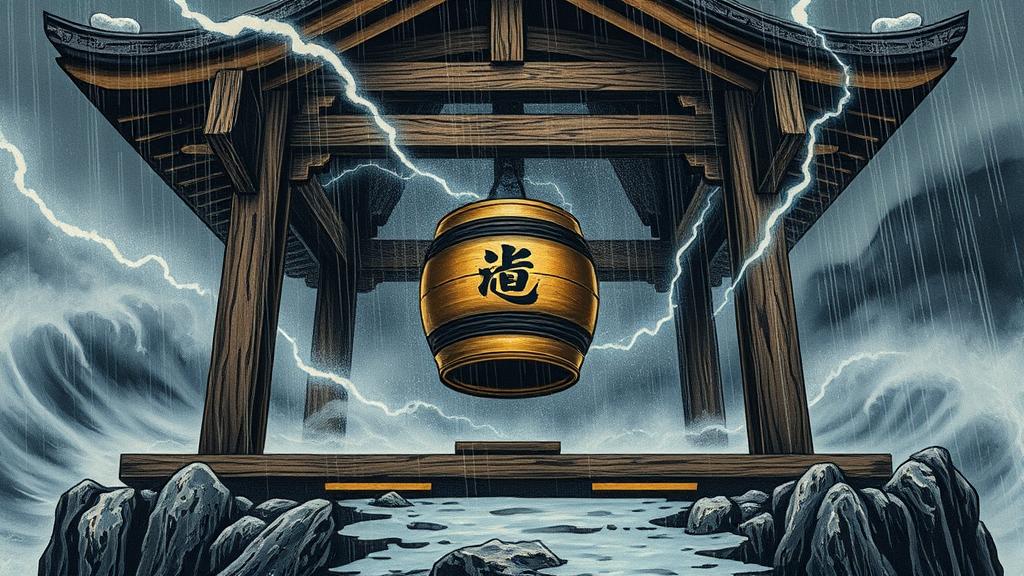
Shrine of the Eternal Storm
This structure honors the tempest deities who govern the atmospheric volatility of the archipelago. In Shinto tradition, weather is not merely a physical phenomenon but an expression of divine will, often linked to the moods of the kami. The history of such shrines spans centuries, acting as nodes for community rituals intended to appease the spirits and prevent natural disasters like typhoons or droughts. By focusing on the freezing, stillness-inducing power of the storm, this site maintains a rigid boundary between the sacred interior and the chaotic world outside. It stands as a testament to the human desire to control the uncontrollable through ritual and architecture, effectively anchoring the volatile energy of the gods to a single, static point of influence that guards the domain.
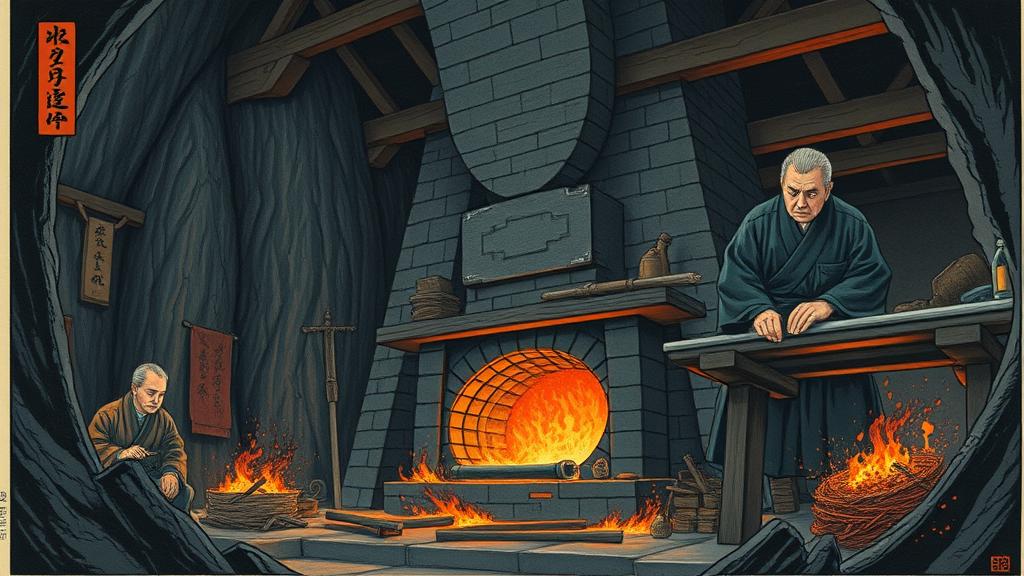
Forge of the Hidden Realm
This facility is modeled after the legendary workshops where the gods and master smiths forged the treasures of the imperial line. Metallurgy in Japanese history, particularly the creation of the katana, was a sacred process involving purification rites and deep spiritual focus. The forge represents the transformation of raw metal into a vessel of virtue, imbuing inanimate objects with the power of the kami. Scientific analysis of ancient blades reveals the sophisticated charcoal-smelting techniques that allowed for their legendary durability and sharpness. By bridging the gap between craftsmanship and the divine, this tower provides the structural foundation for tactical superiority. It serves as the heart of a strategy built on precision and the relentless application of strength, ensuring that every movement is backed by the weight of ancient authority.
The 30 cards
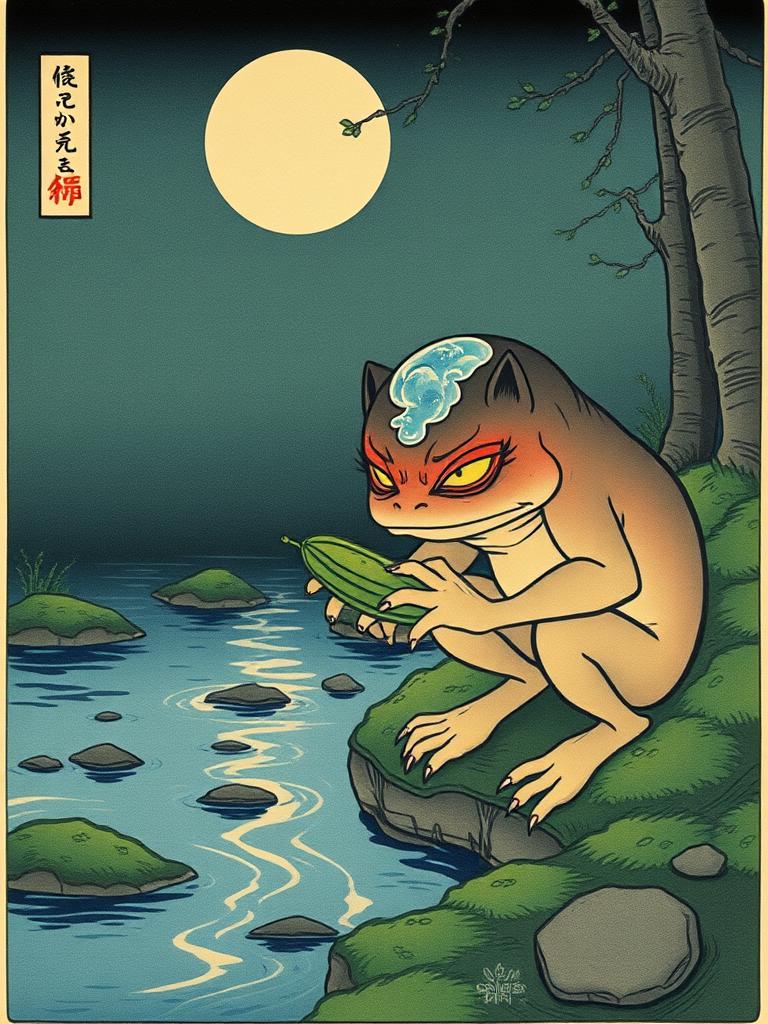
Kappa
River-dwelling trickster
It waits by the water to challenge passersby to bouts of sumo or wit.
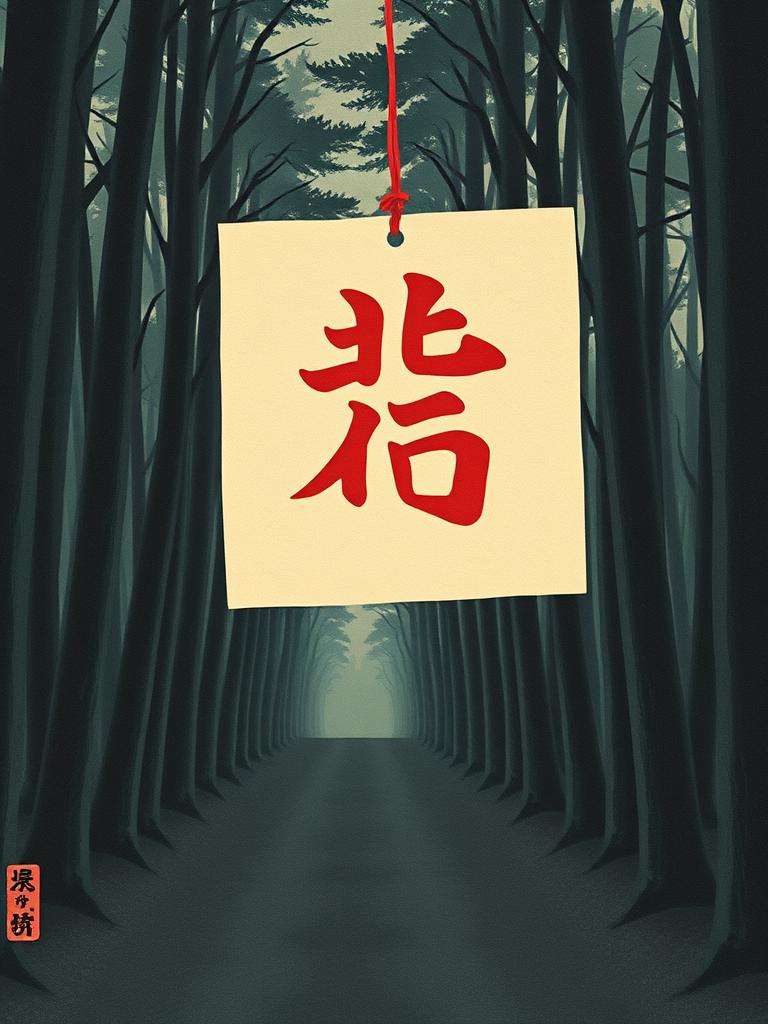
Paper Talisman
Bound protective sigil
A simple strip of paper inscribed with holy names to ward off malevolent influences.
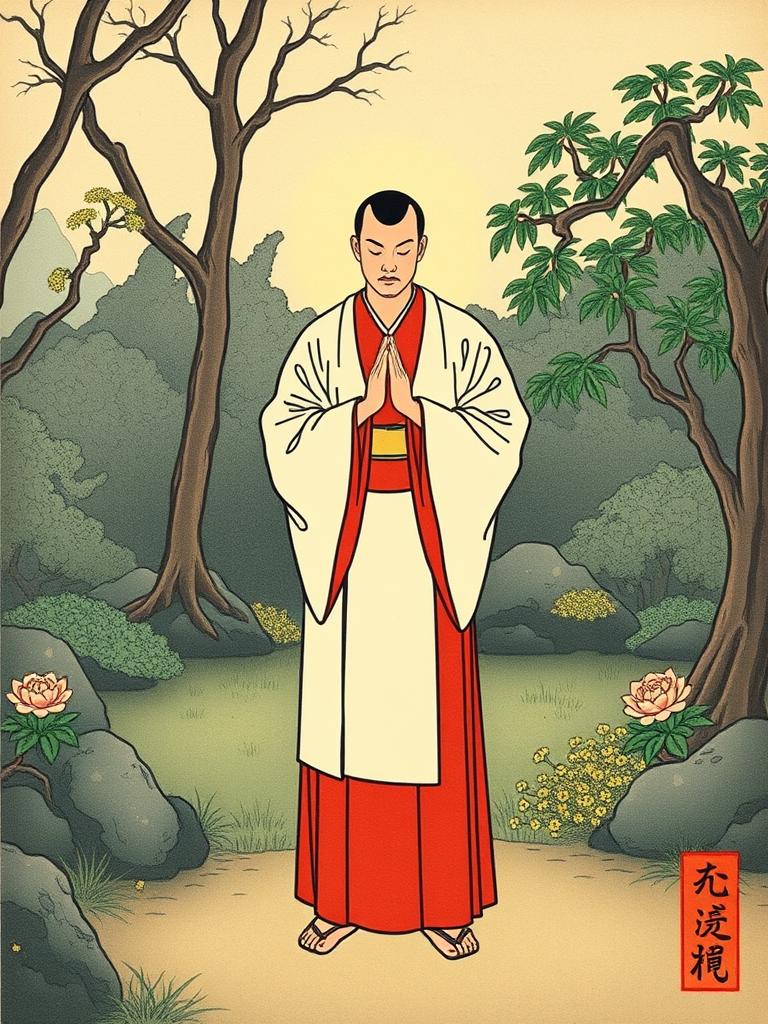
Shinto Priest
Servant of the shrines
He maintains the purity of the grounds and bridges the gap between mortals and kami.
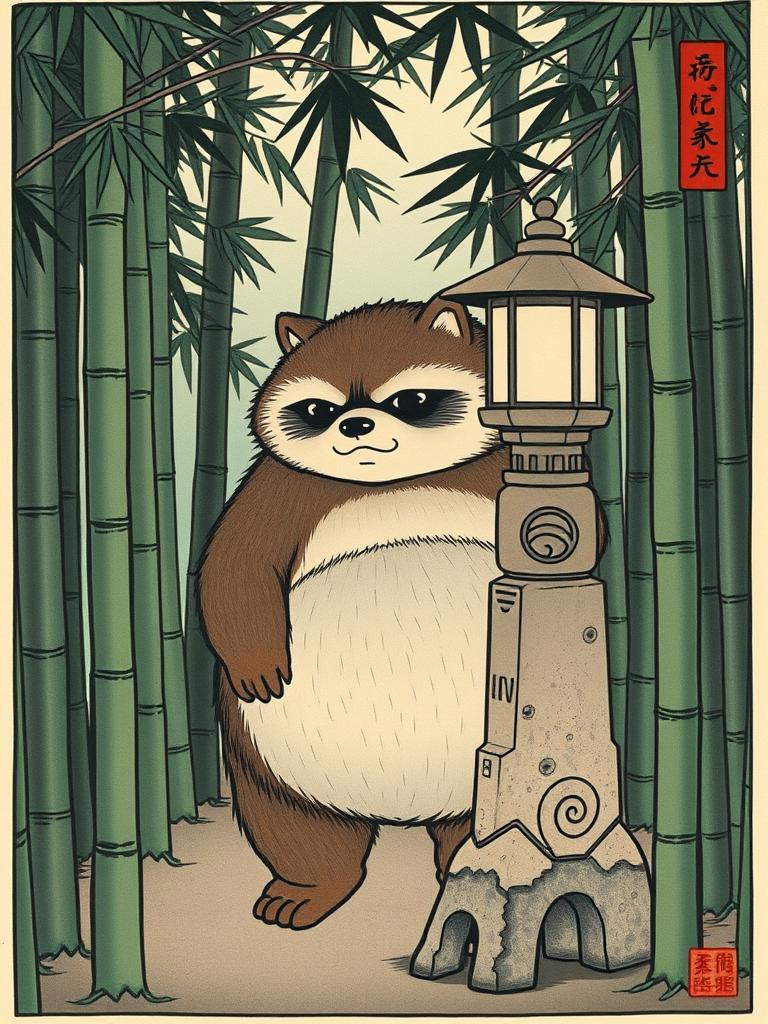
Tanuki
Shapeshifting forest dweller
A rotund creature known for its ability to transform into everyday objects to deceive travelers.
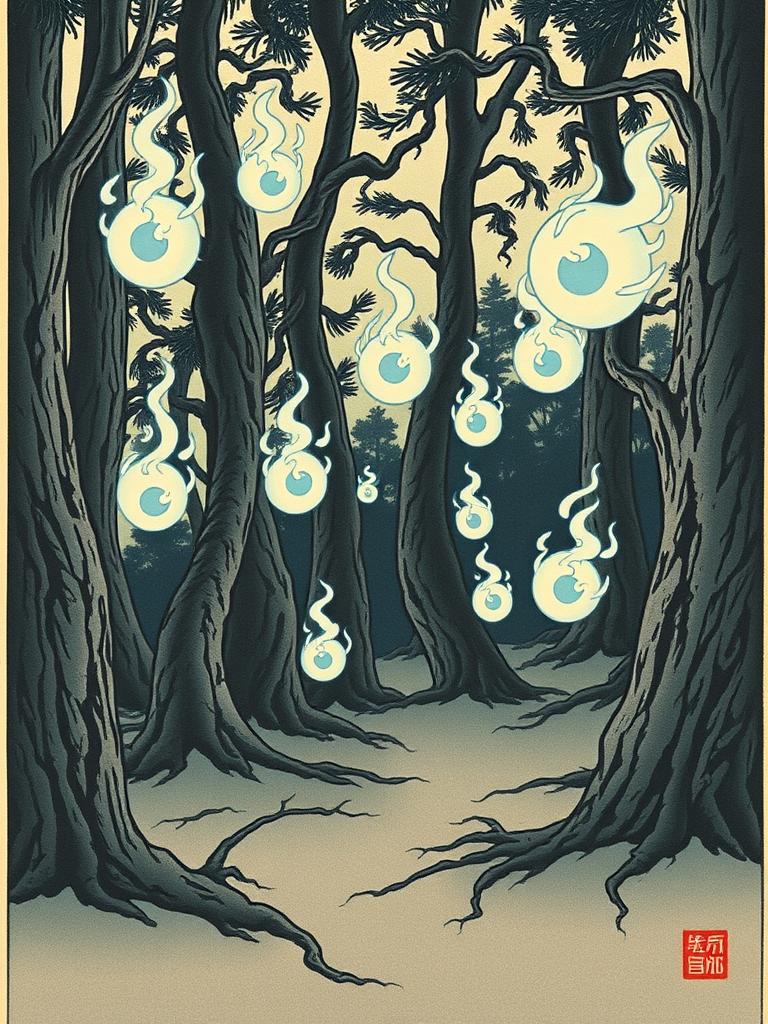
Spirit Fire
Will-o'-the-wisp
Flickering flames that lead wanderers astray in the deep dark woods.
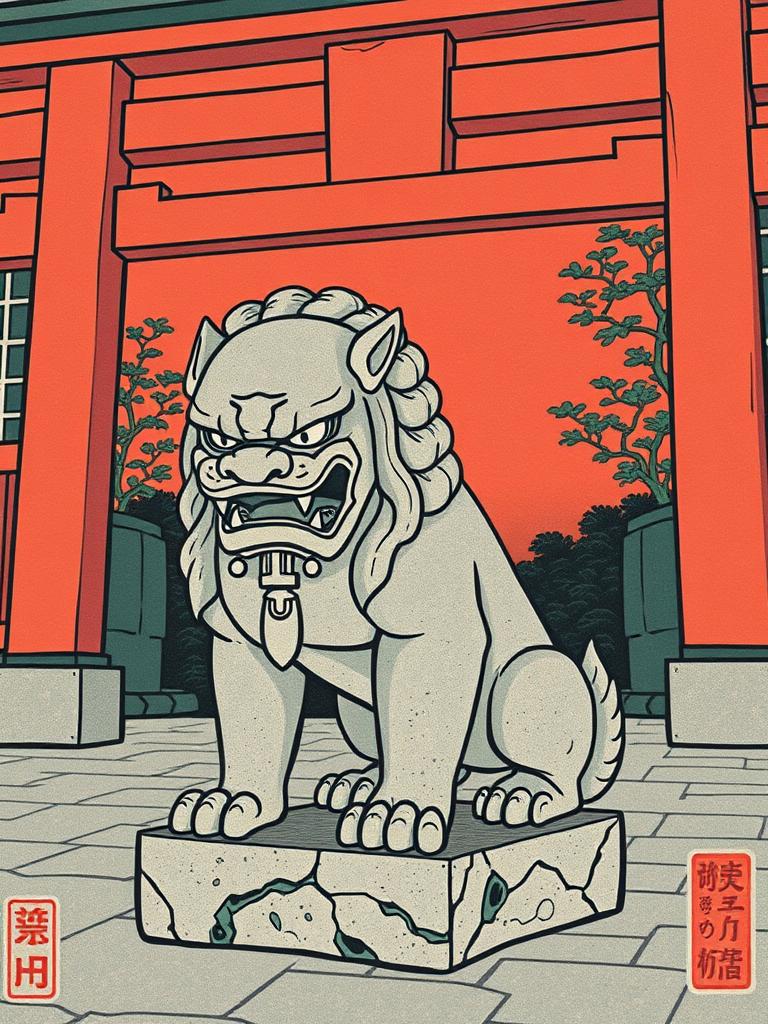
Stone Guardian
Animated mountain rock
Carved from sacred stone, it stands eternally vigilant against intruders.
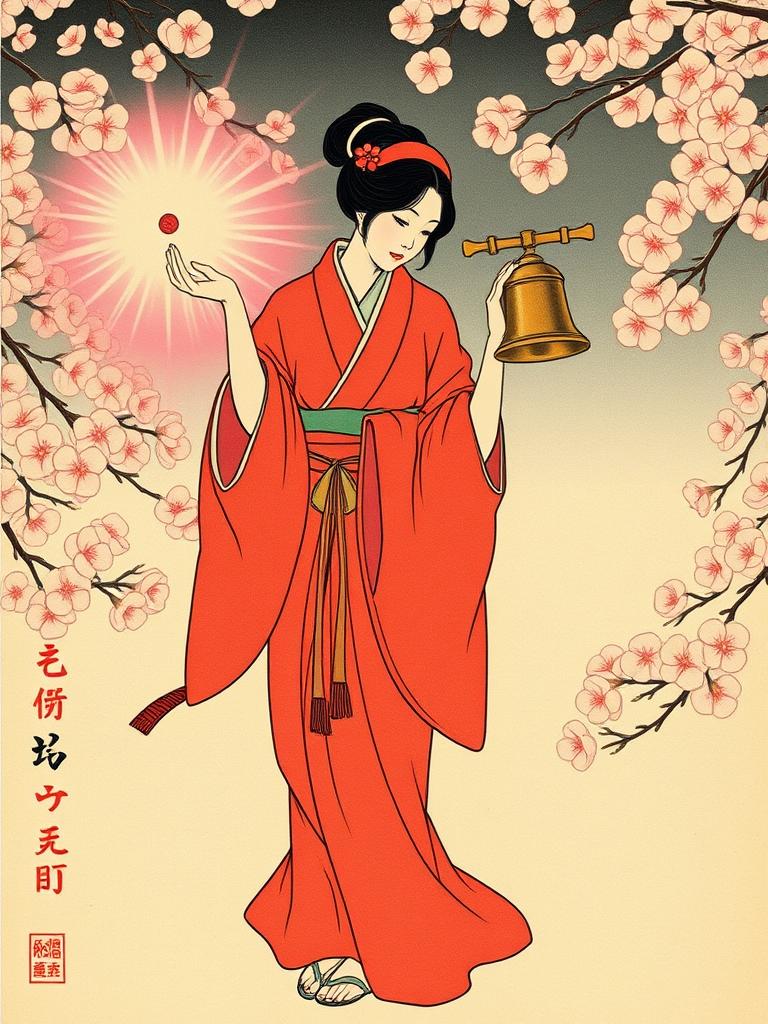
Shrine Maiden
Keeper of the inner gate
Her prayers cleanse the path, allowing the spirits to manifest more easily.
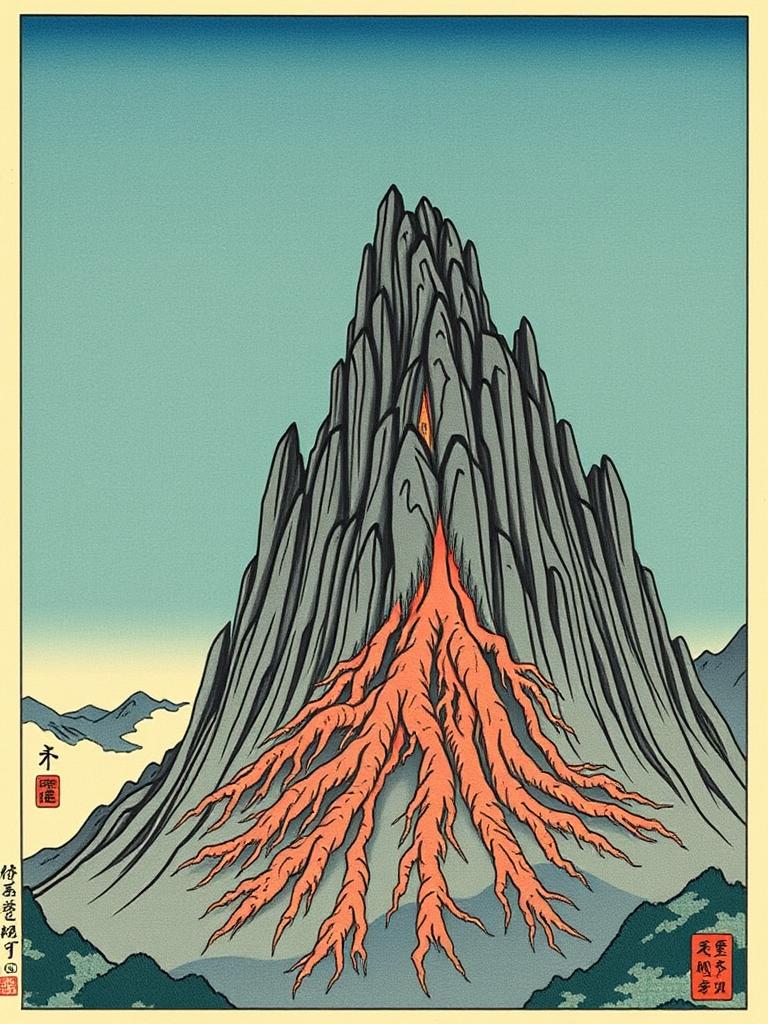
Mountain Kami
Guardian of the peaks
The very spirit of the crag, commanding the earth itself to rise against enemies.
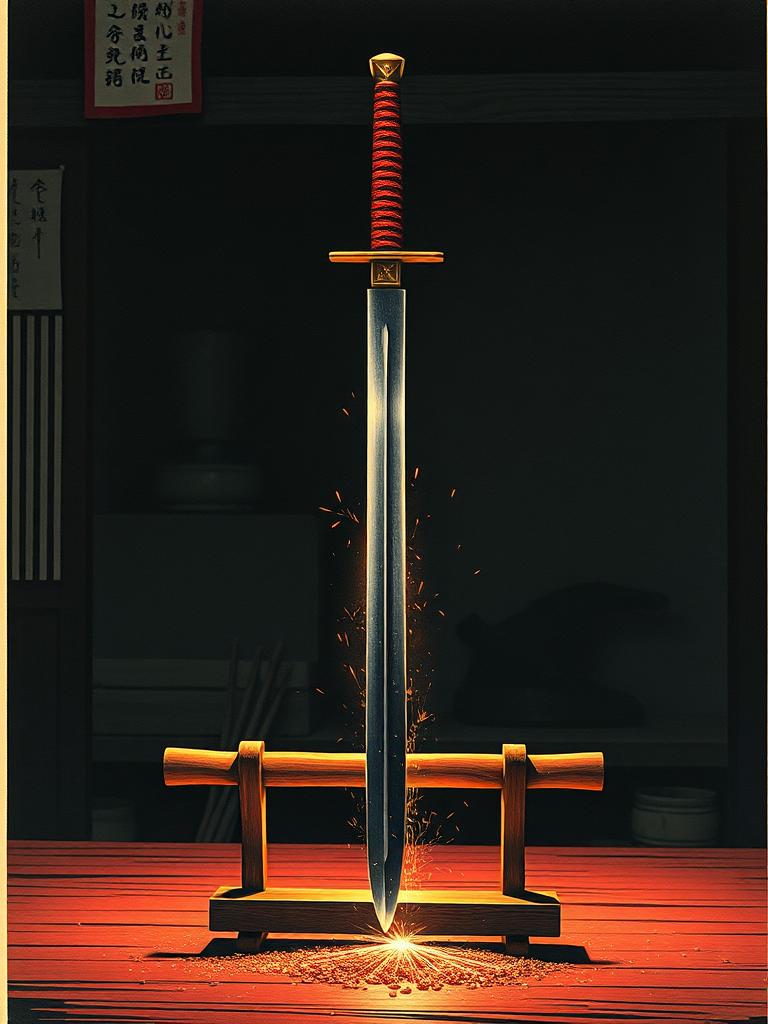
Iron Katana
Blade of the ronin
A masterfully forged steel blade that hungers for the heat of battle.
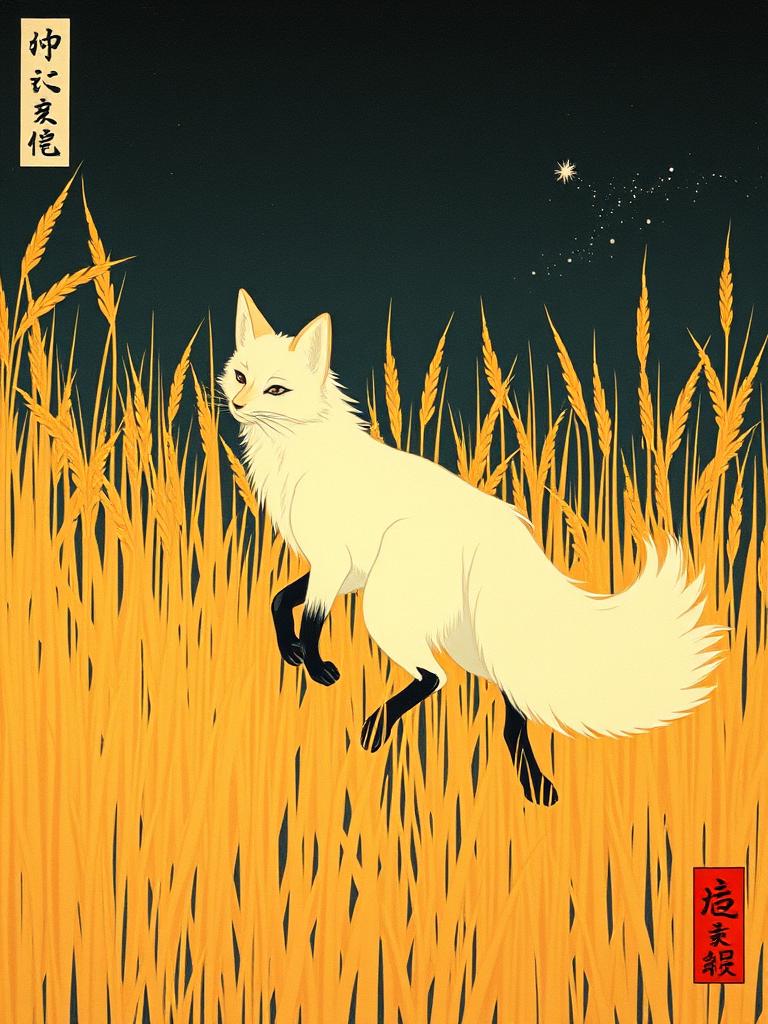
Fox Messenger
Spirit of the harvest
An ethereal fox that serves as the eyes and ears of higher deities.
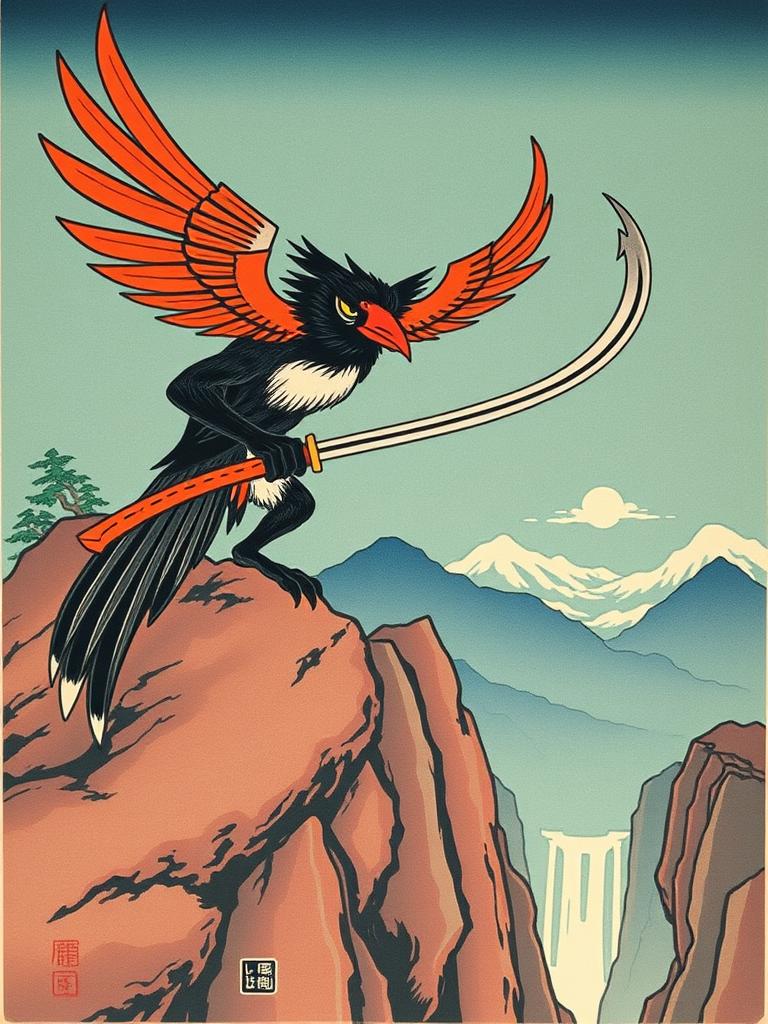
Tengu
Master of the mountain winds
Winged warriors who guard mountain passes with unmatched swordsmanship.
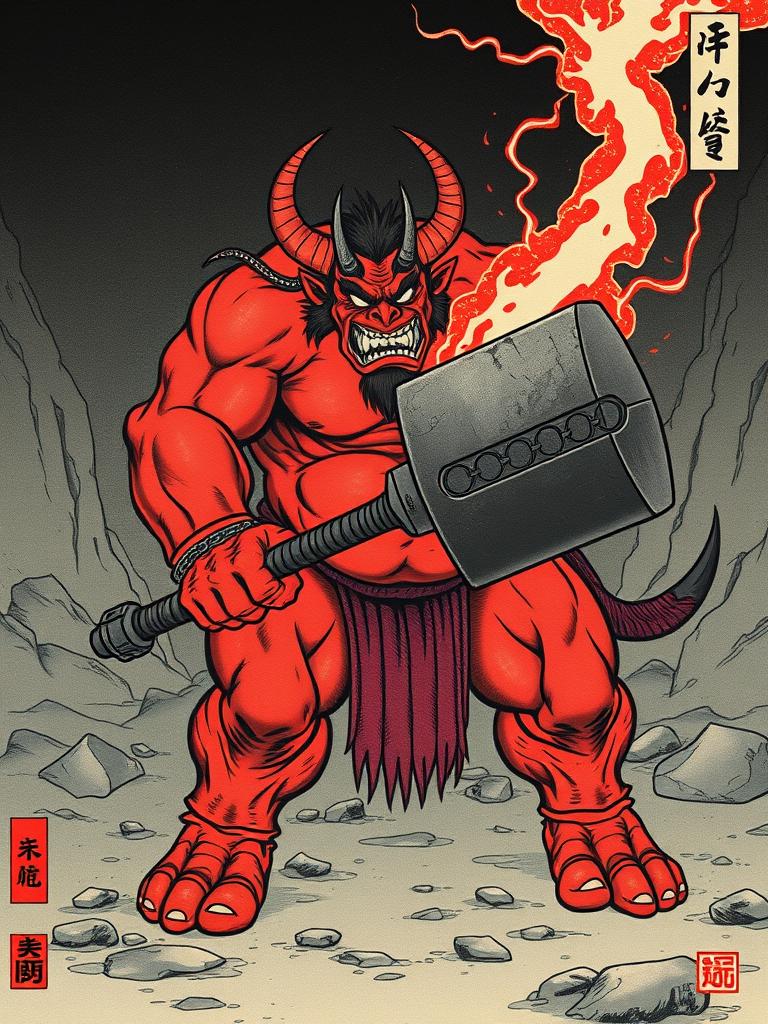
Oni Brute
Iron-club wielding demon
A hulking entity of raw strength, feared for its unyielding ferocity in combat.
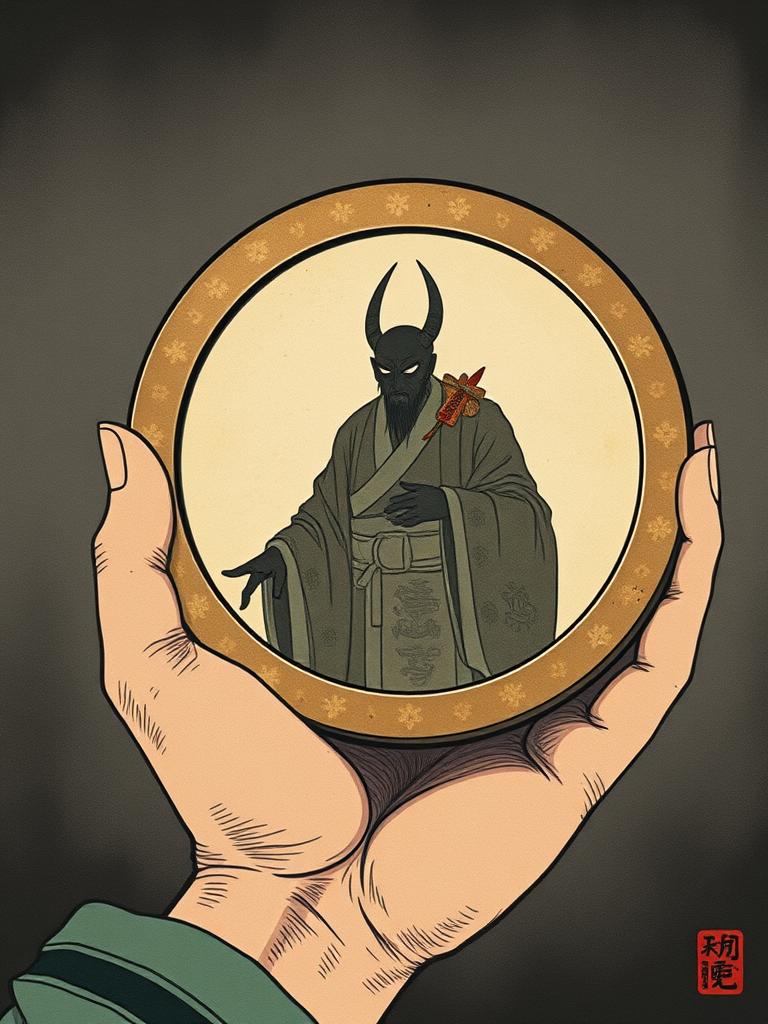
Mirror of Truth
Reflector of hidden intent
A polished bronze surface that reveals the true nature of any soul looking into it.
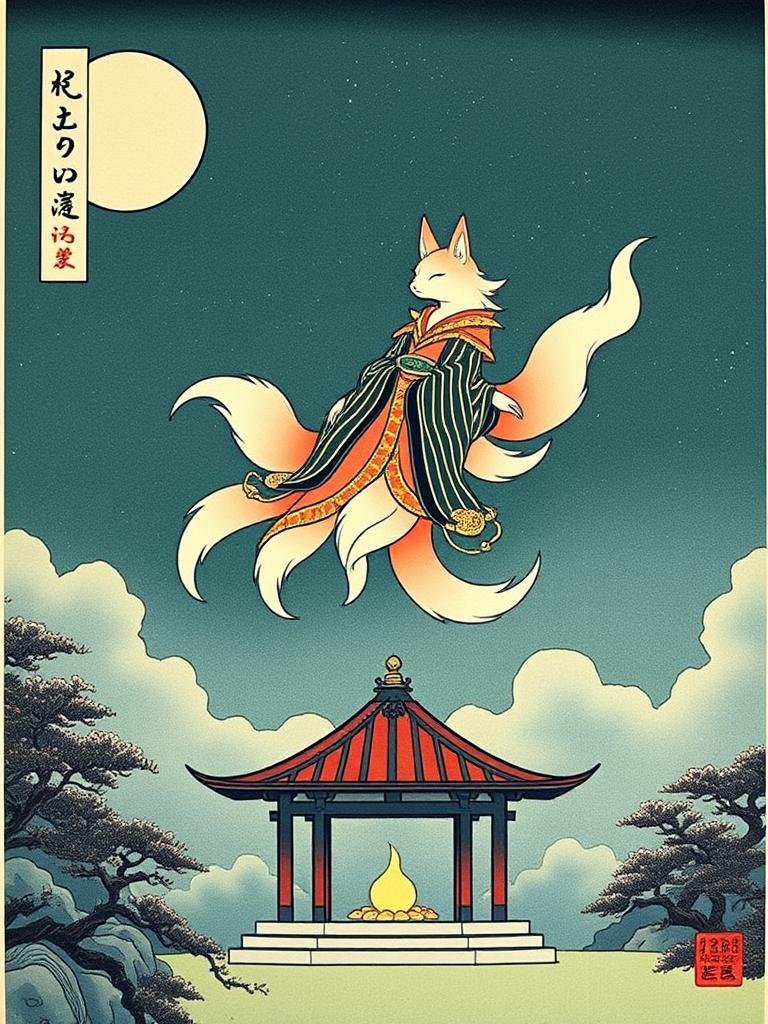
Kitsune Priestess
Divine oracle of the shrine
She interprets the whispers of the wind to guide the fate of the nation.
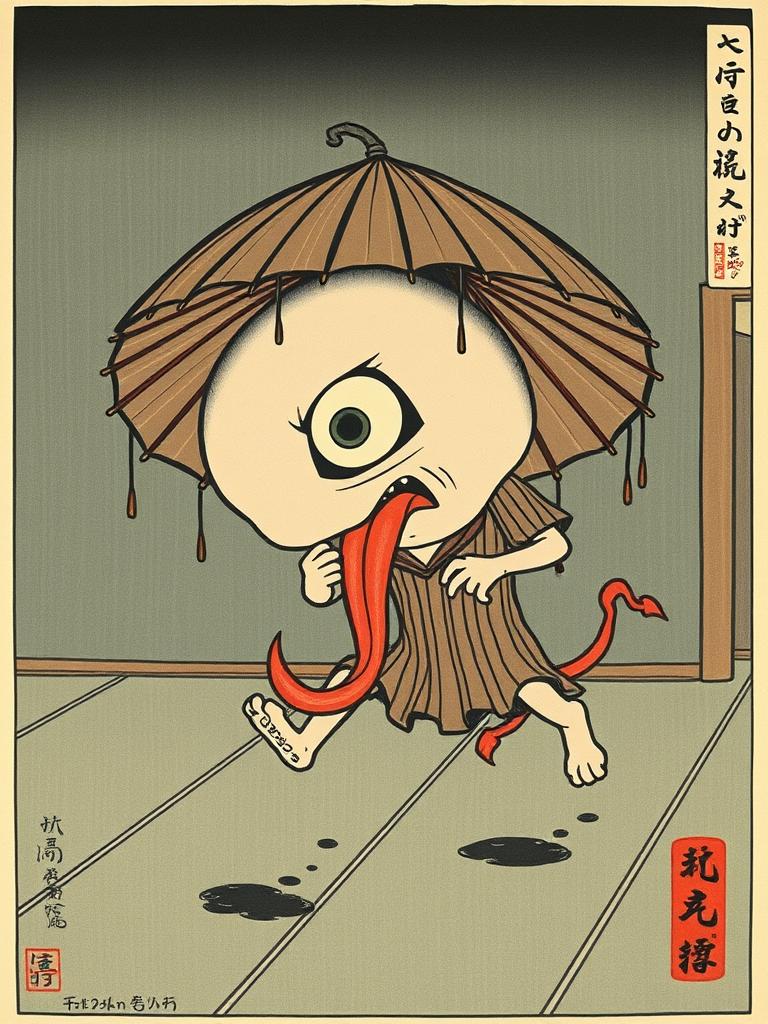
Tsukumogami
Possessed ancestral tool
Objects that have attained consciousness after a hundred years of human use.
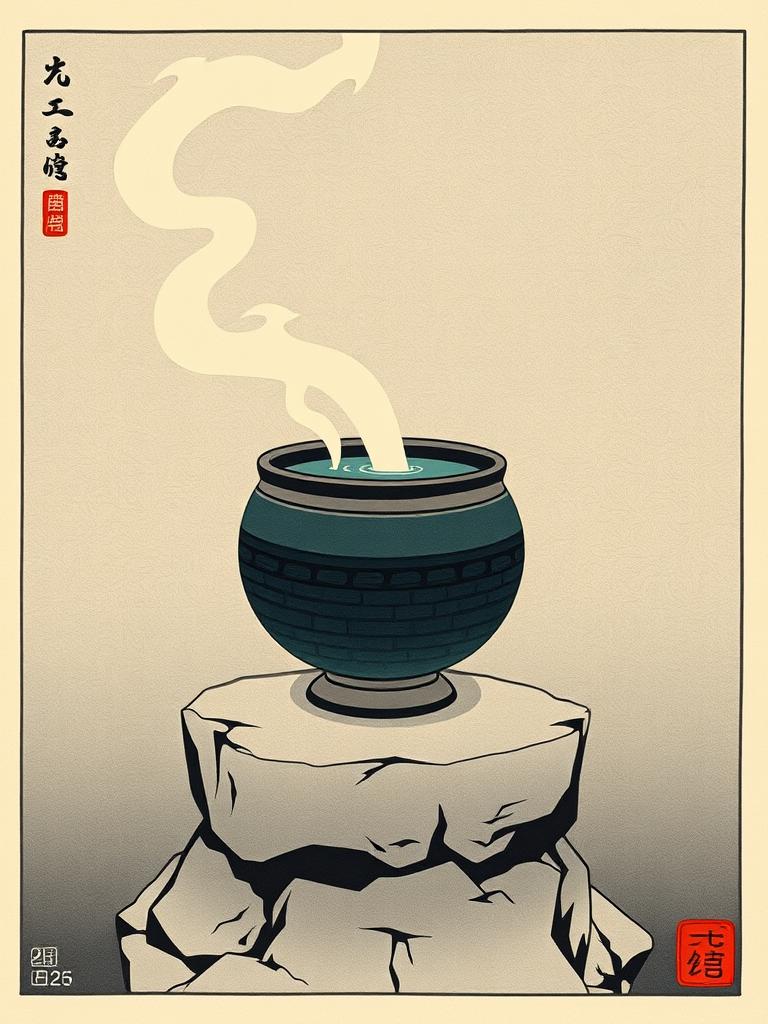
Sacred Sake
Offering to the ancestors
A spiritual brew meant to appease the spirits and grant favor during rites.
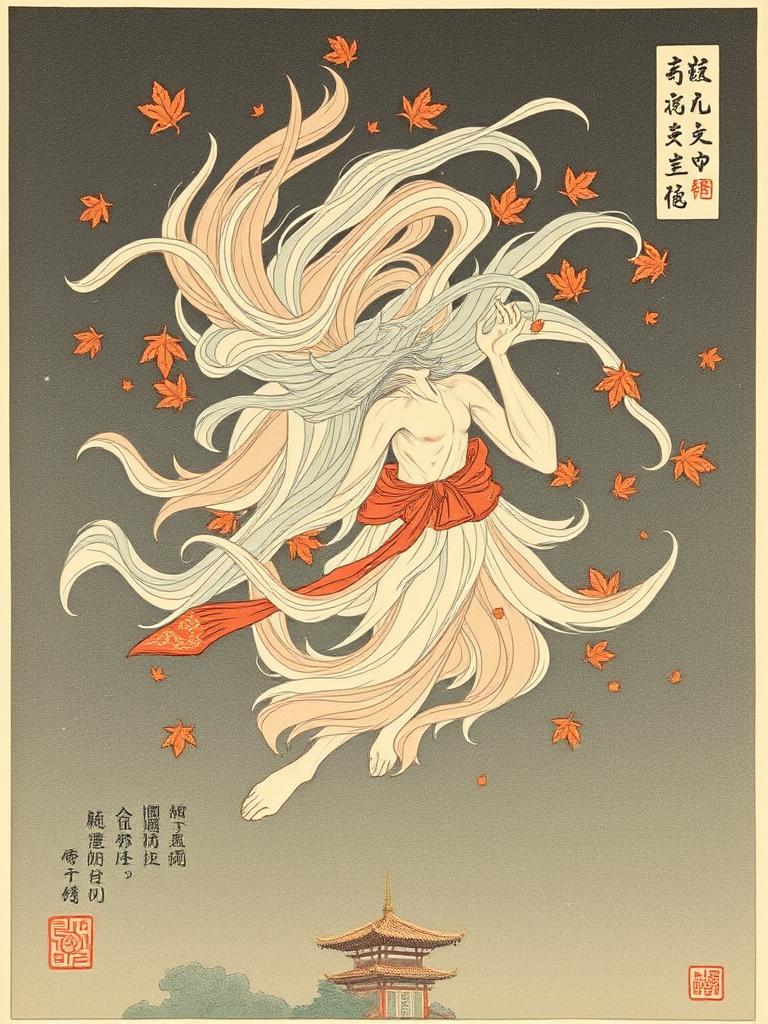
Wind Kami
Bringer of the storm
A swirling presence that commands the gales to scatter the ranks of foes.
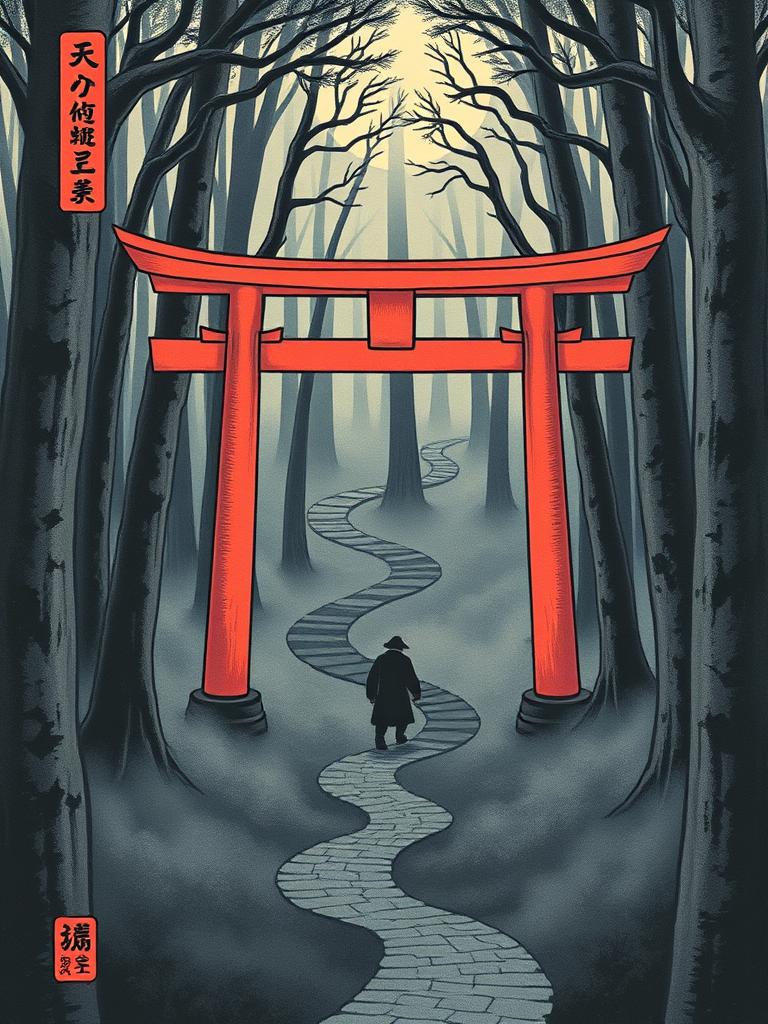
Spirit Labyrinth
The illusionary trail
A magical distortion that forces enemies to wander in circles until exhausted.
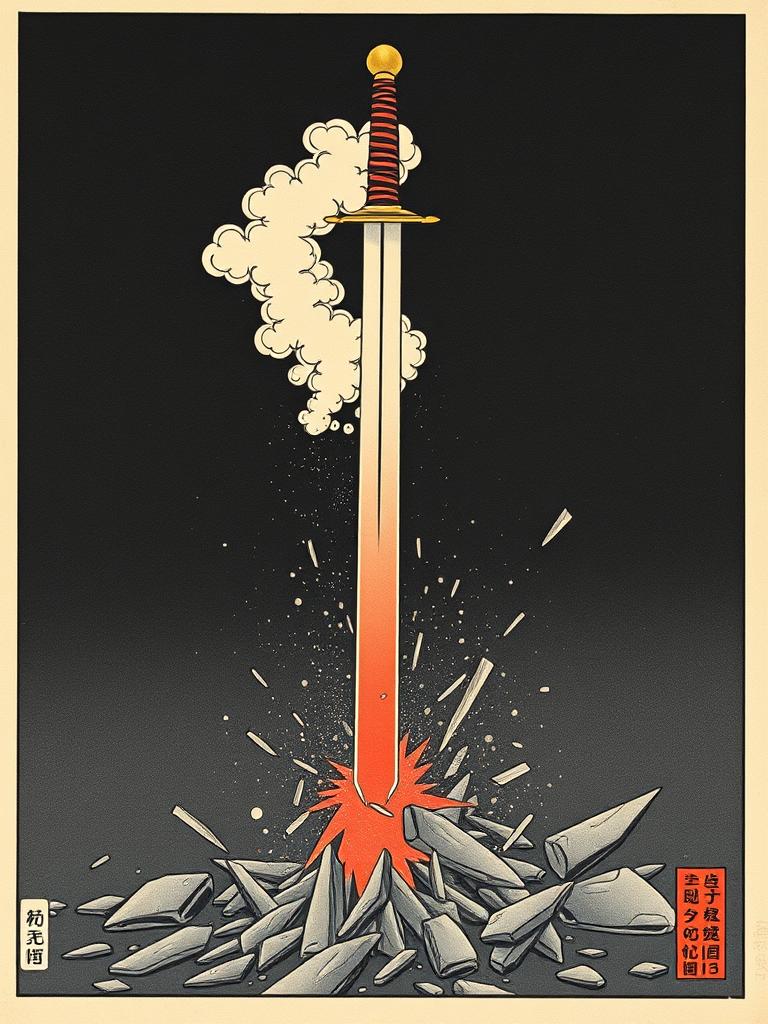
Kusanagi no Tsurugi
Sword of Gathering Clouds
Recovered from the tail of the eight-headed serpent Yamata no Orochi, this blade serves as one of the Three Sacred Treasures. It represents the virtue of valour, symbolizing the authority of the imperial line since the time of Emperor Jimmu. Its physical status remains a mystery, as it is kept from public view.
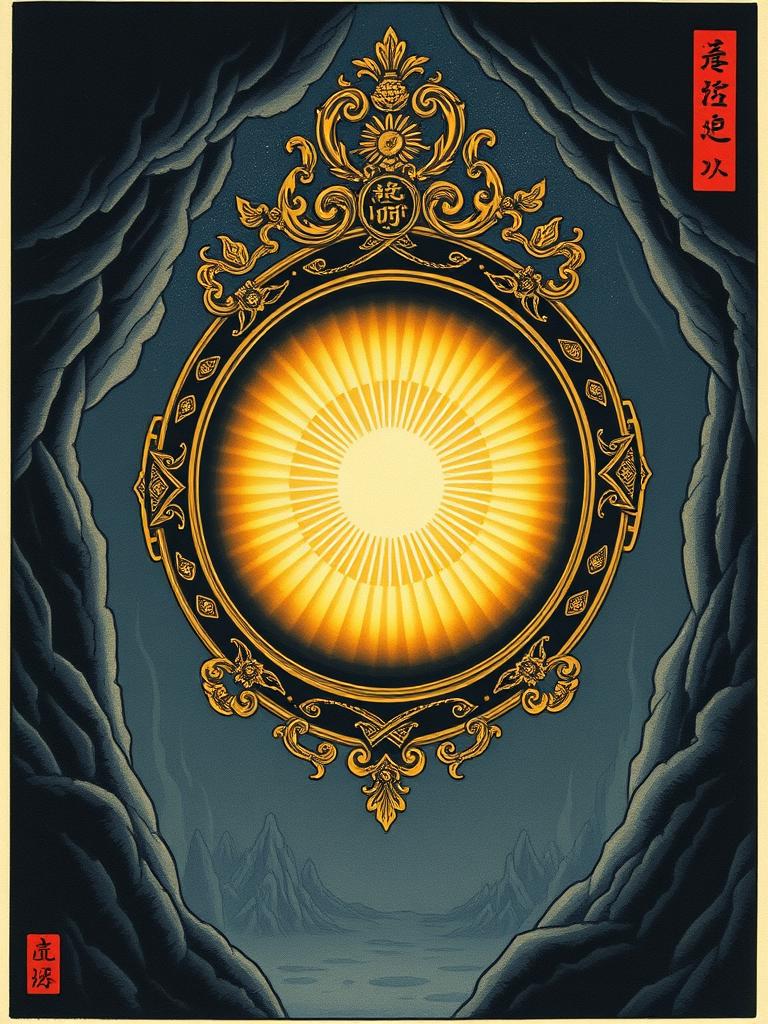
Yata no Kagami
The Eight-Span Mirror
As a central component of the Imperial Regalia, this bronze mirror symbolizes wisdom. In the foundational myths of the archipelago, it played a pivotal role in luring the sun goddess from her cave. Like the other treasures, its exact location is shielded from public sight to maintain the sanctity of imperial authority.
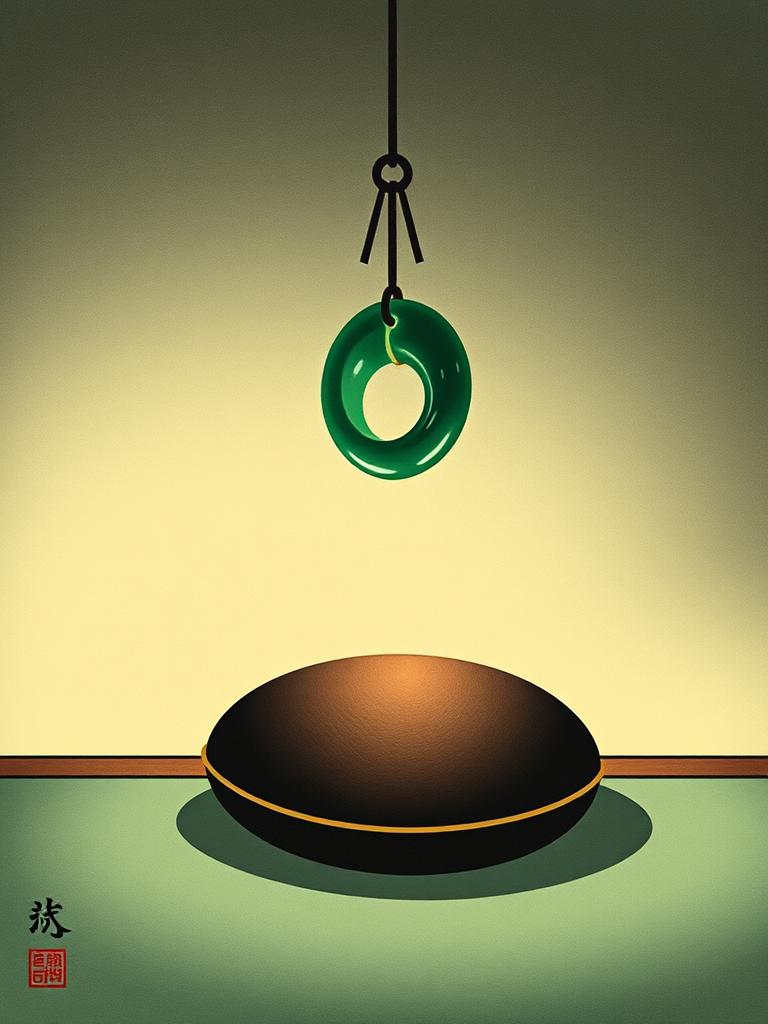
Yasakani no Magatama
The Curved Jewel
This curved, comma-shaped jewel completes the set of the Three Sacred Treasures. It embodies the virtue of benevolence and is traditionally associated with the divine lineage of the Japanese throne. Along with the sword and mirror, it serves as a tangible link between the celestial realm and the earthly sovereignty of the Emperor.
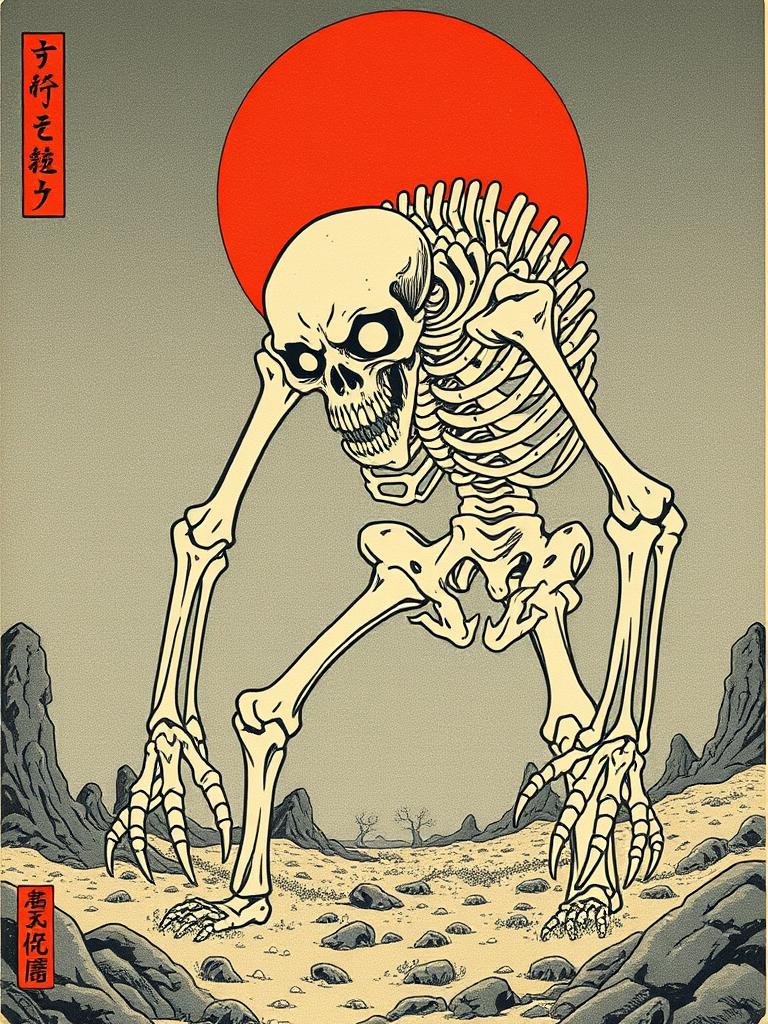
Gashadokuro
The giant skeleton
This skeletal manifestation arises from the collective suffering of those who perished in conflict without proper burial rites. Folklore describes this entity as a gargantuan figure composed of countless bones, embodying the restless, uncanny energy of the dead. It serves as a grim reminder of the consequences of neglecting historical memory.
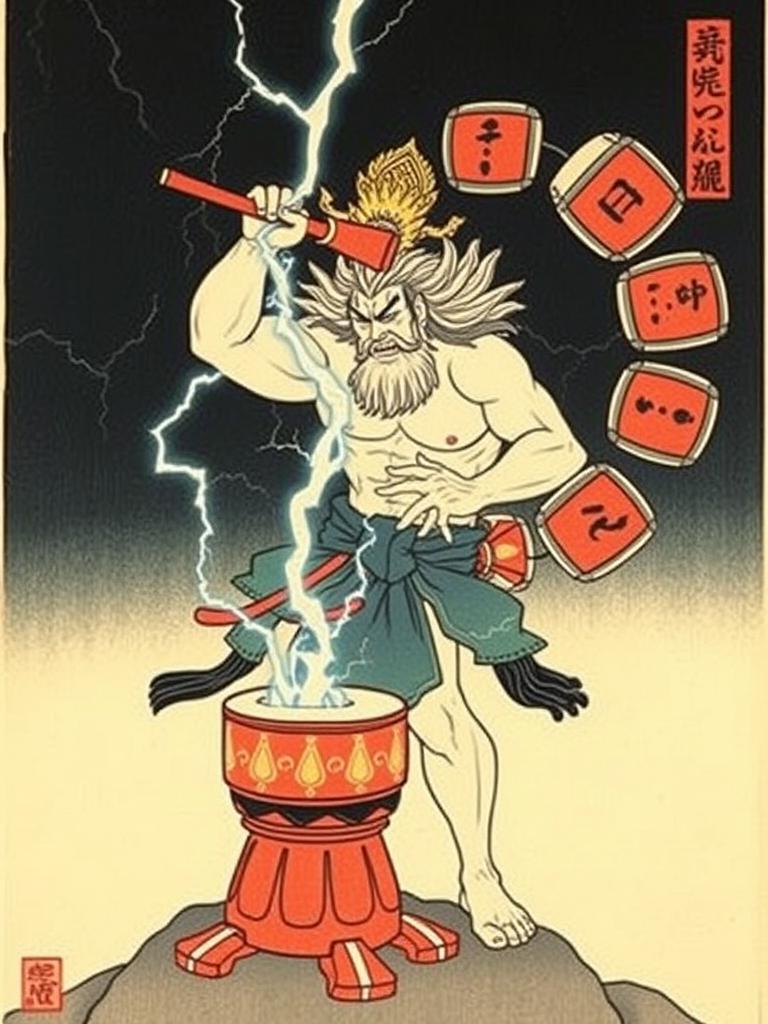
Thunder God
Lord of the drum
Known as Raijin, this deity governs the atmospheric forces of thunder and lightning. In traditional iconography, he is depicted with multiple drums, which he strikes to generate the rolling sounds of a storm. He represents the raw, unpredictable power of nature that demands both fear and deep veneration from the populace.
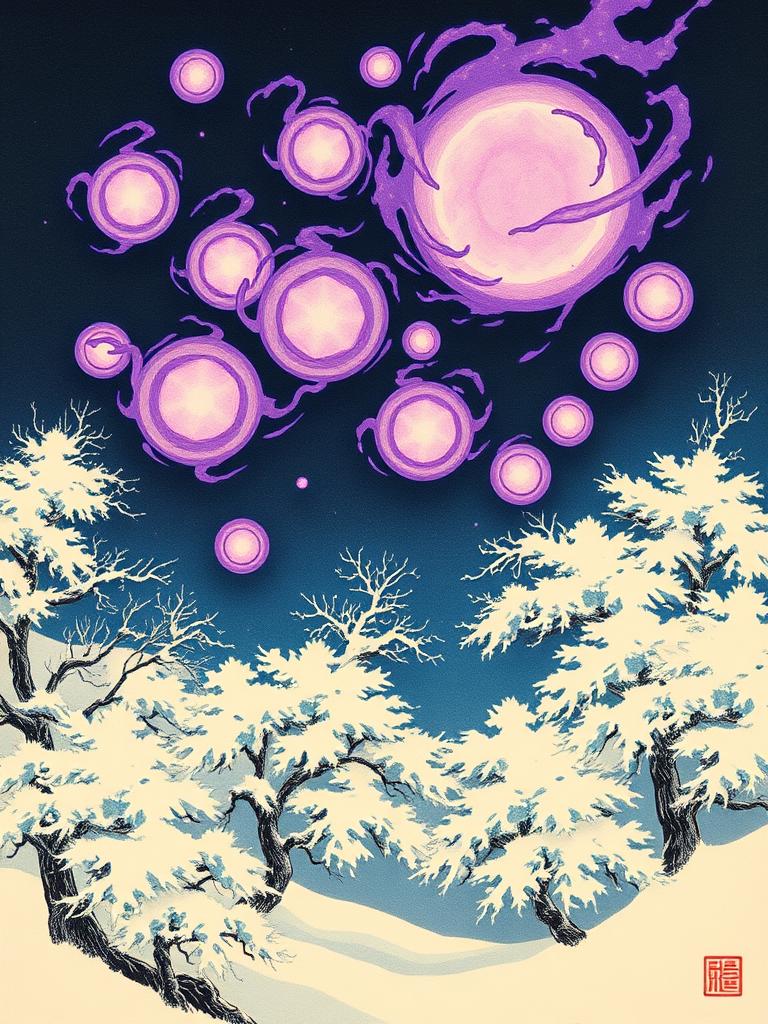
Foxfire Storm
The spectral deluge
These spectral lights, often associated with the kitsune, appear as floating orbs that flicker in the darkness. They are considered manifestations of spiritual energy, capable of leading travelers astray or signaling the presence of otherworldly entities. They represent the thin, permeable boundary between the physical world and the realm of the unexplained.
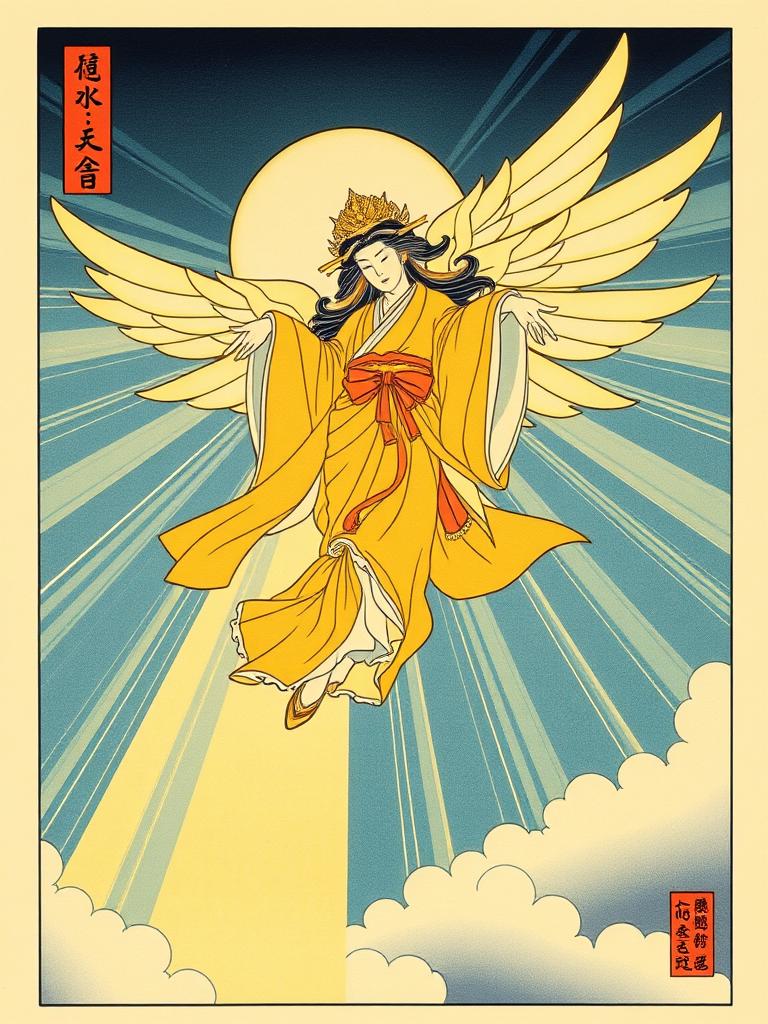
Amaterasu Omikami
The Sun Goddess
As the primary deity of the Shinto pantheon, she represents the sun and the source of all life. Her retreat into the Heavenly Rock Cave once plunged the world into darkness, reflecting the vital necessity of her light. She is the ancestral figure from whom the imperial family claims their divine descent.
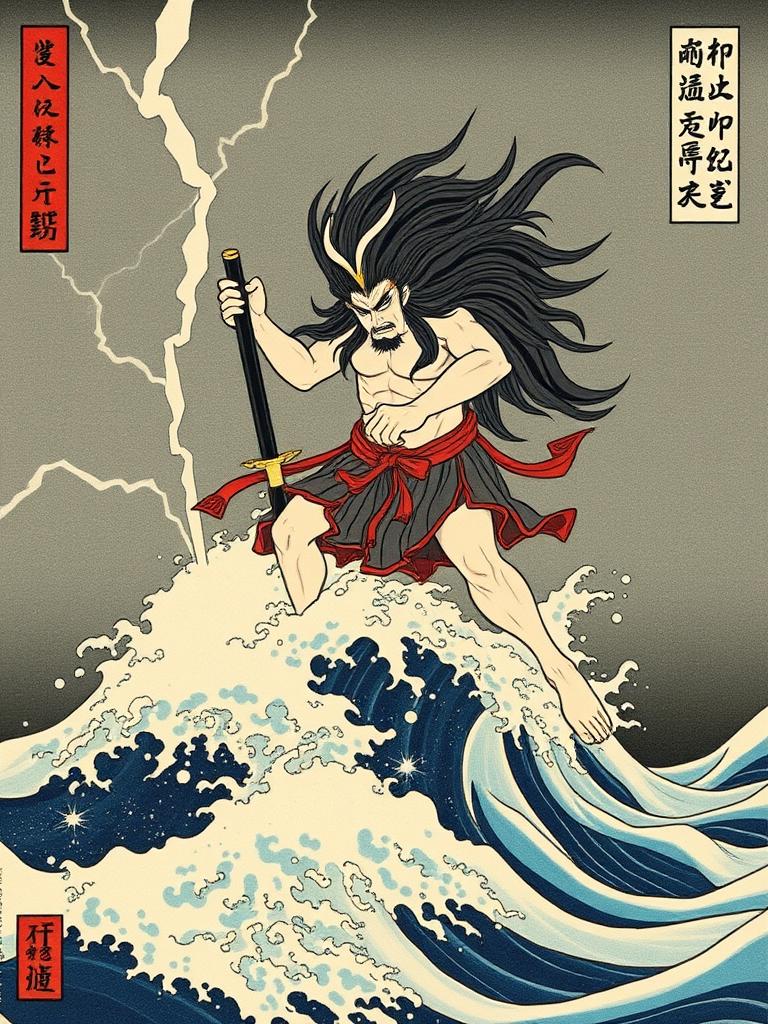
Susanoo no Mikoto
God of sea and storms
The tempestuous brother of the sun goddess, he is known for his volatile nature and his eventual triumph over the serpent Yamata no Orochi. His actions shift from destructive chaos to heroic protection, illustrating the complex, dualistic role of deities in the natural and social order of the Japanese archipelago.
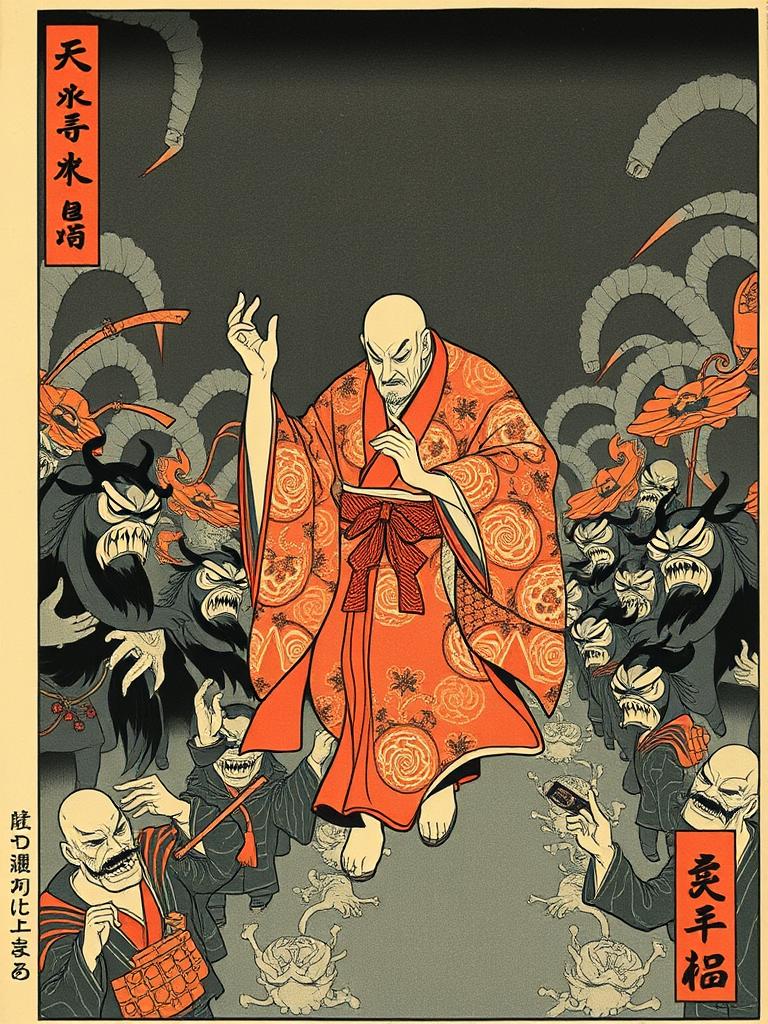
Nurarihyon
Supreme commander of yokai
A leader among the supernatural, he is said to appear uninvited within the homes of the wealthy, commanding a nocturnal parade of spirits. Unlike more malevolent demons, he embodies the mysterious, unseen influence of the folklore world that operates just outside the periphery of human perception and daily social life.
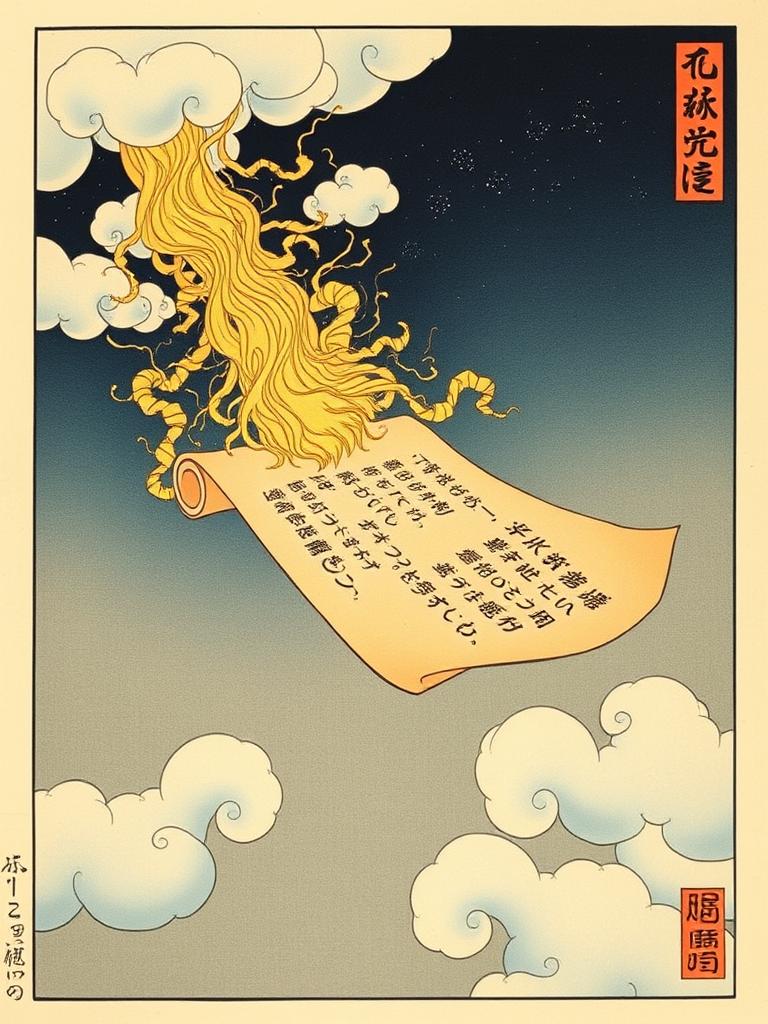
Heavenly Decree
The imperial mandate
This concept represents the ultimate authority that governs both the mundane and the spiritual domains. In the context of imperial tradition, it signifies the divine mandate that allows for the unification of the land. It acts as the binding force that ensures harmony between the actions of the people and the will of the gods.
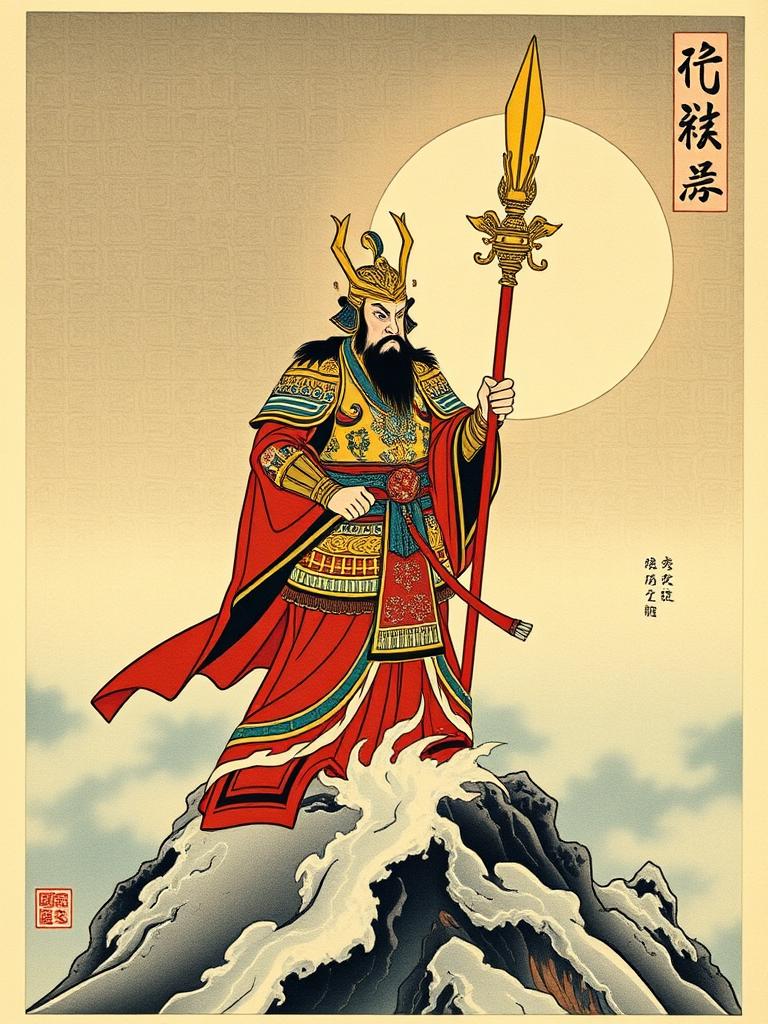
Jimmu Tenno
The First Emperor
Regarded as the first Emperor of Japan, he is said to have ascended to the throne in 660 BCE. As the descendant of the sun goddess, he unified the clans and established the imperial line. His reign marks the beginning of the mythological timeline that defines the cultural identity of the nation.
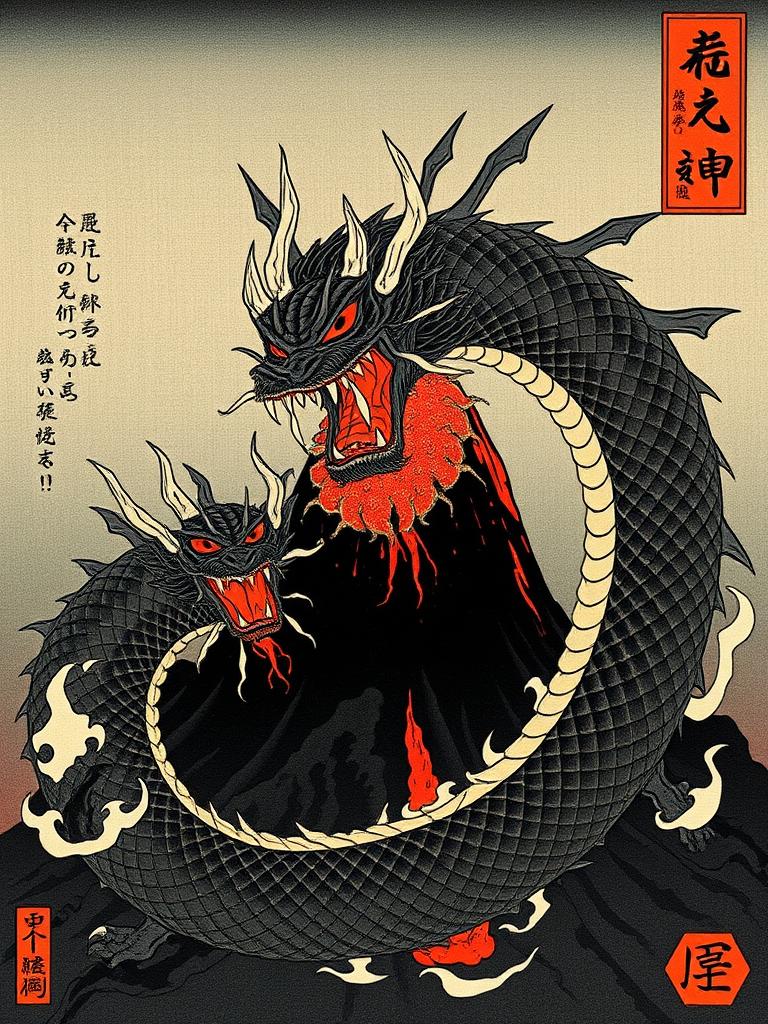
Yamata no Orochi
Eight-headed serpent
This eight-headed, eight-tailed serpent represents the ultimate chaotic force of nature. Its defeat by the deity Susanoo provided the sword that would later become one of the Imperial Regalia. The myth of this creature serves as a foundational story regarding the triumph of order over the primordial, destructive threats to civilization.