Impressionist Painters
30 cards and 2 towers, generated on “Impressionist Painters”. Language: en.
Towers
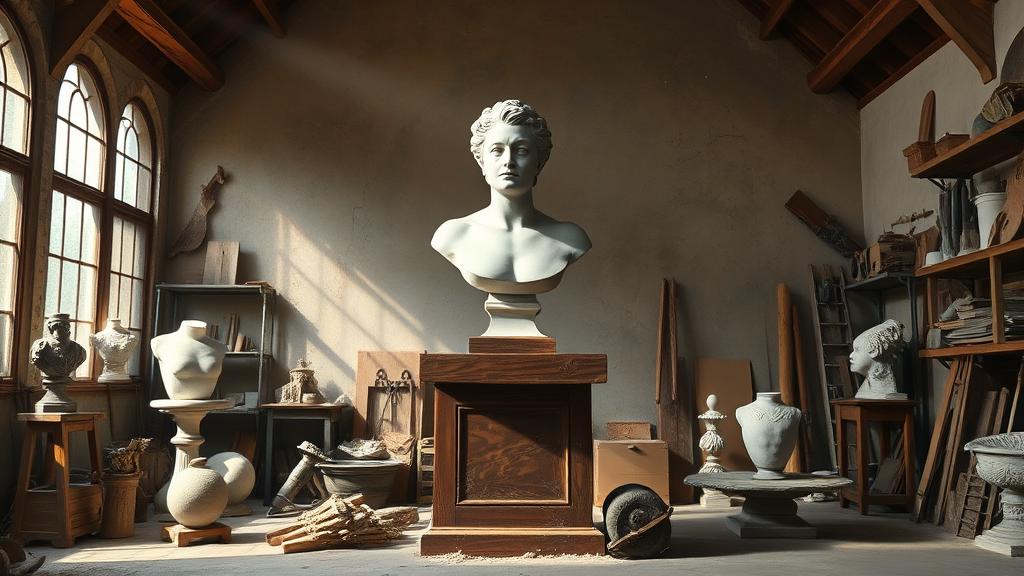
The Sculptor's Sanctum
The sculptor’s workshop serves as the foundation for physical creation, where raw materials are transformed through technical mastery. Historically, artists like Edgar Degas engaged deeply with the tactile process of modeling, viewing the physical form as a dynamic system in constant motion. This environment mirrors the transition from static academic subjects to the active, observational focus of the modern era. By grounding art in the physical reality of the studio, the sculptor captures the essence of life before it is translated into pigment and light. The space functions as a nexus of creation, where the intent of the artist manifests as a tangible presence that anchors the surrounding field of vision.
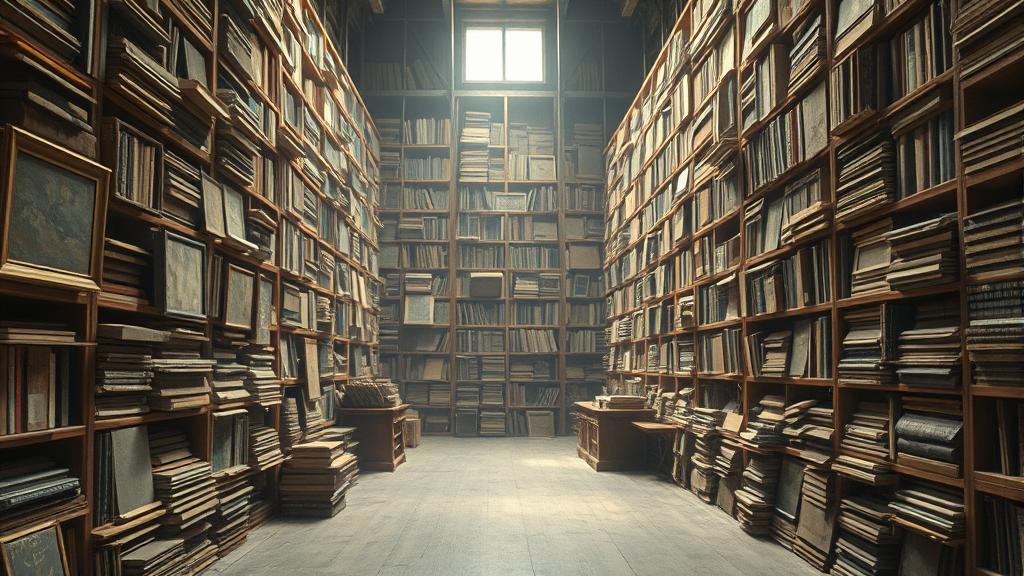
Archive of Rejected Ideas
The Archive of Lost Ideas acts as a repository for the experimental spirit that defined the 1860s and 1870s. During the era of the Salon des Refusés, many works deemed unworthy by official juries found new life in independent venues, proving that rejection often precedes innovation. This library preserves the concepts that challenged the status quo, documenting the evolution of art as it moved away from narrative tropes toward abstraction and subjective perception. By cataloging these discarded visions, the archive ensures that the history of artistic rebellion remains accessible, serving as a reminder that what is dismissed by the establishment today often becomes the standard of tomorrow. It stands as a silent guardian of unconventional thought, ensuring that forgotten perspectives can return to influence the present.
The 30 cards

Apprentice Grinder
Preparing pigments
Preparing essential oils and pigments for the day's work.
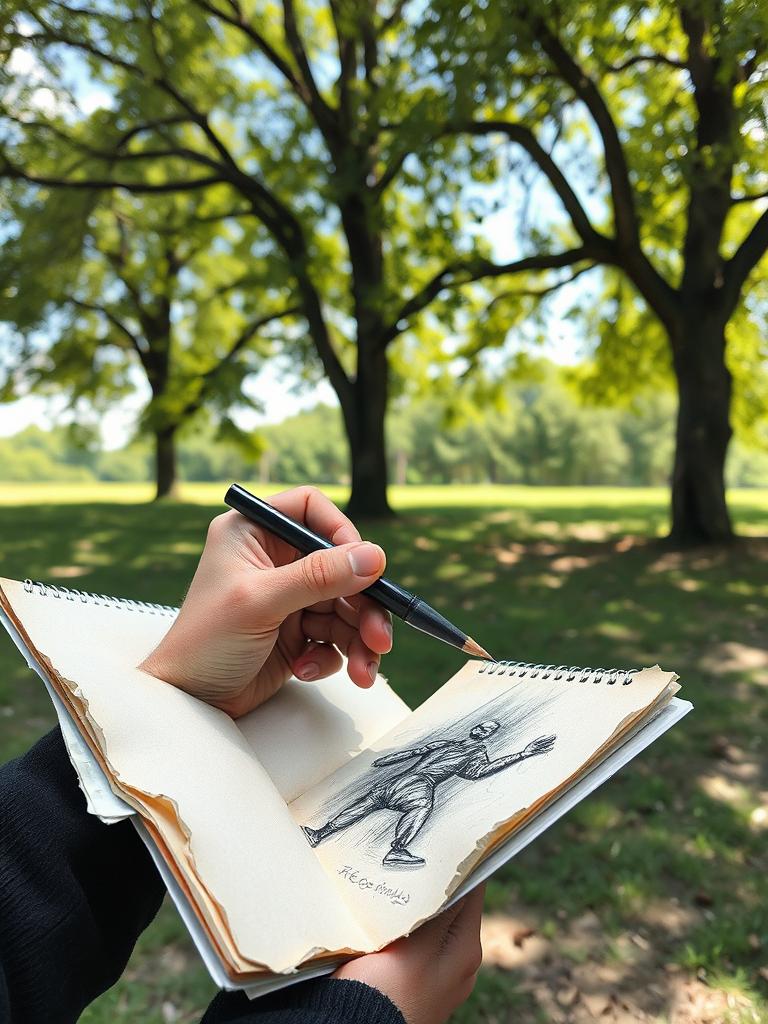
Sketching Hand
Quick charcoal lines
Capturing the fleeting gesture before the light shifts.

Stretched Canvas
Blank expectation
Awaiting the first stroke of a revolutionary vision.

Oil Paint Tube
Portable revolution
The invention that allowed painters to leave the dark studio.
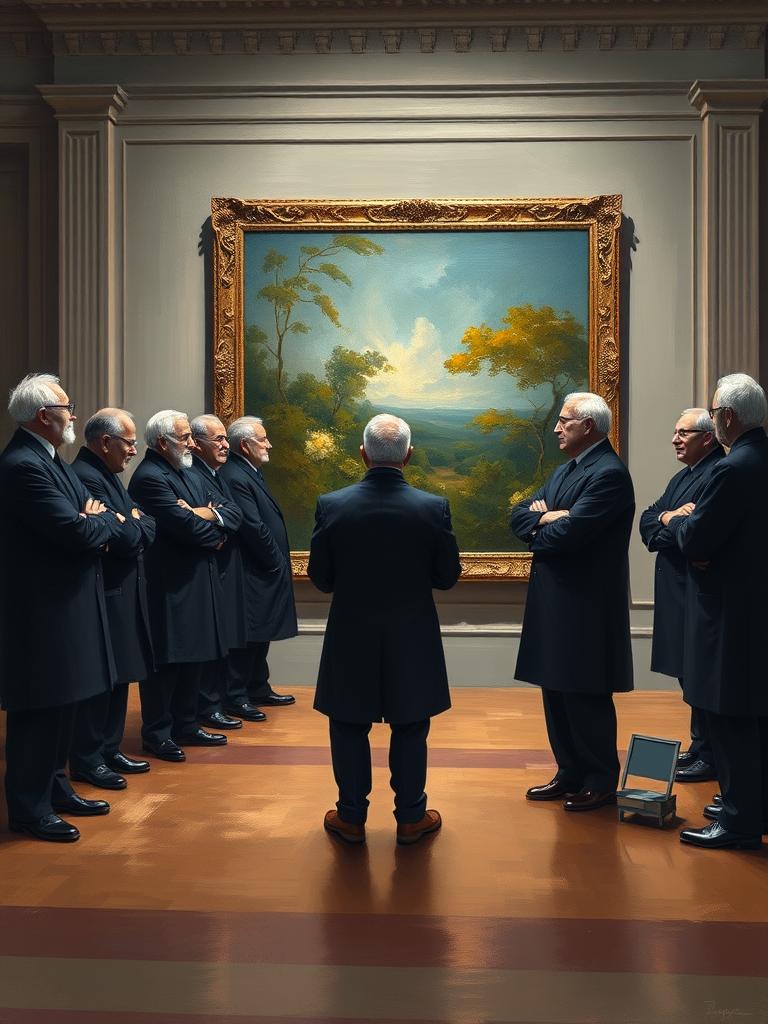
Academy Jury
Guardians of tradition
Rejecting anything that doesn't follow the classical rules.
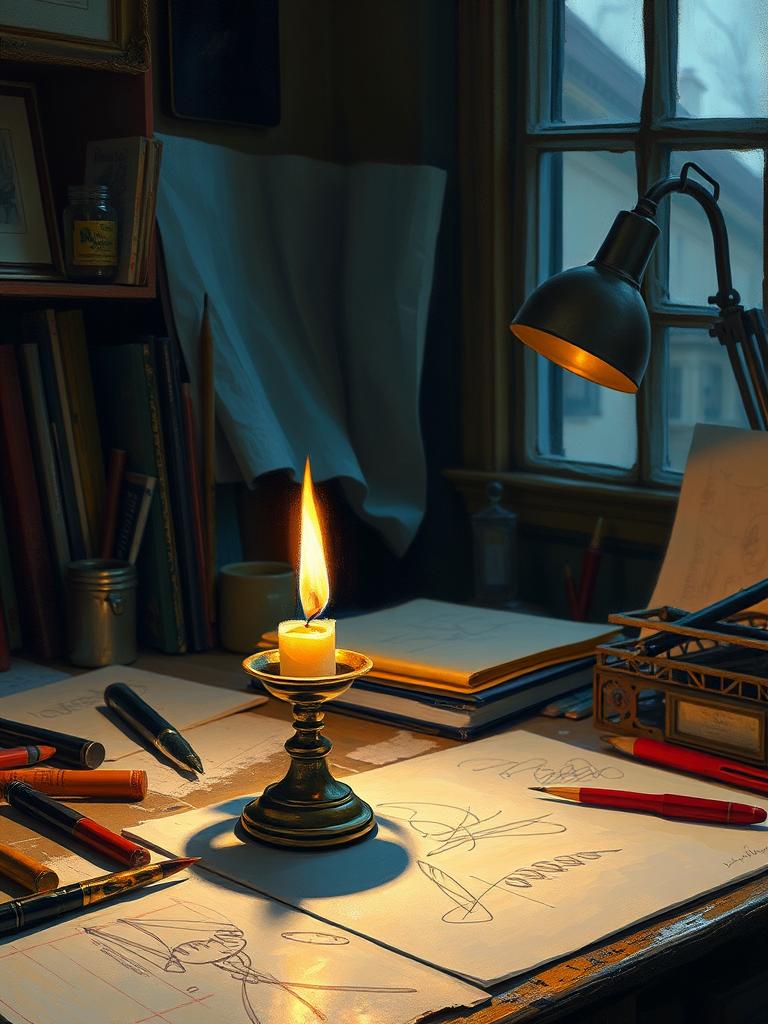
Flickering Candle
Studio illumination
Providing meager light for late-night revisions.
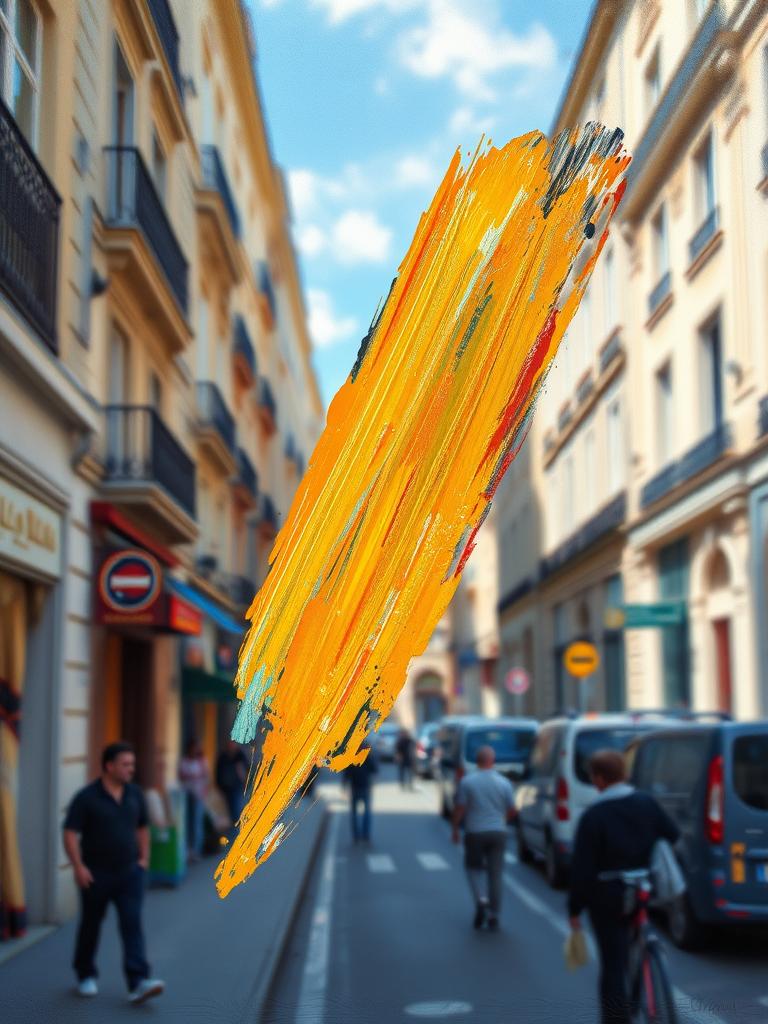
Brush Stroke
Visible texture
A single mark that captures the essence of motion.
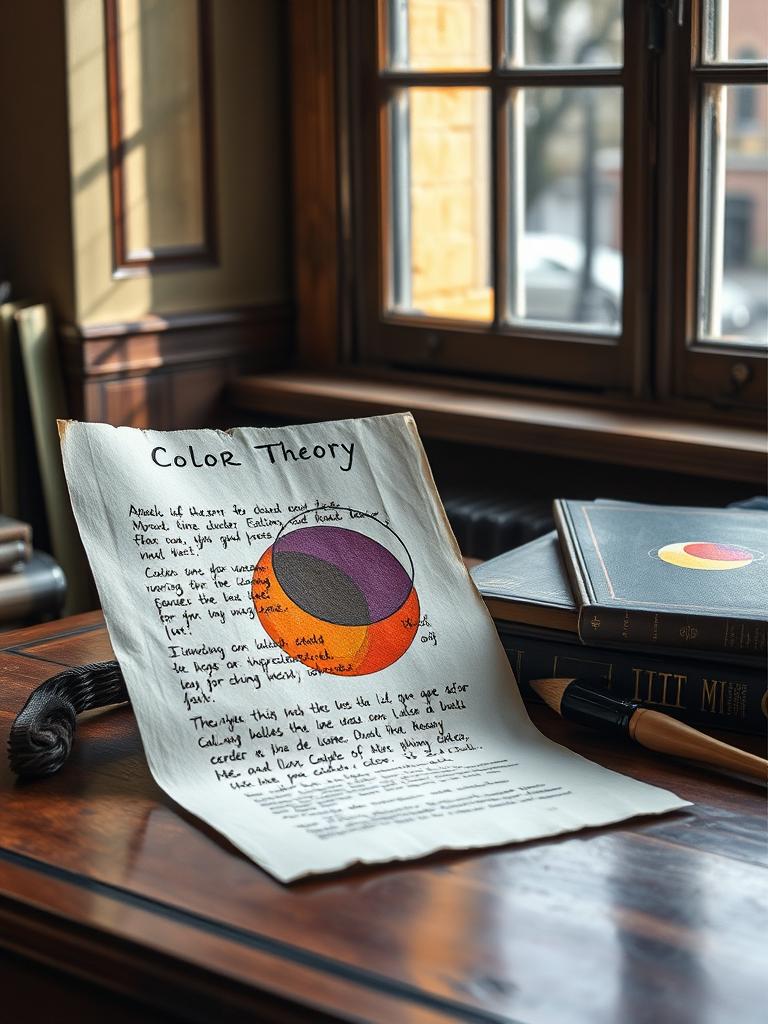
Color Theory Note
Complementary research
Scientific notes on how colors vibrate against one another.
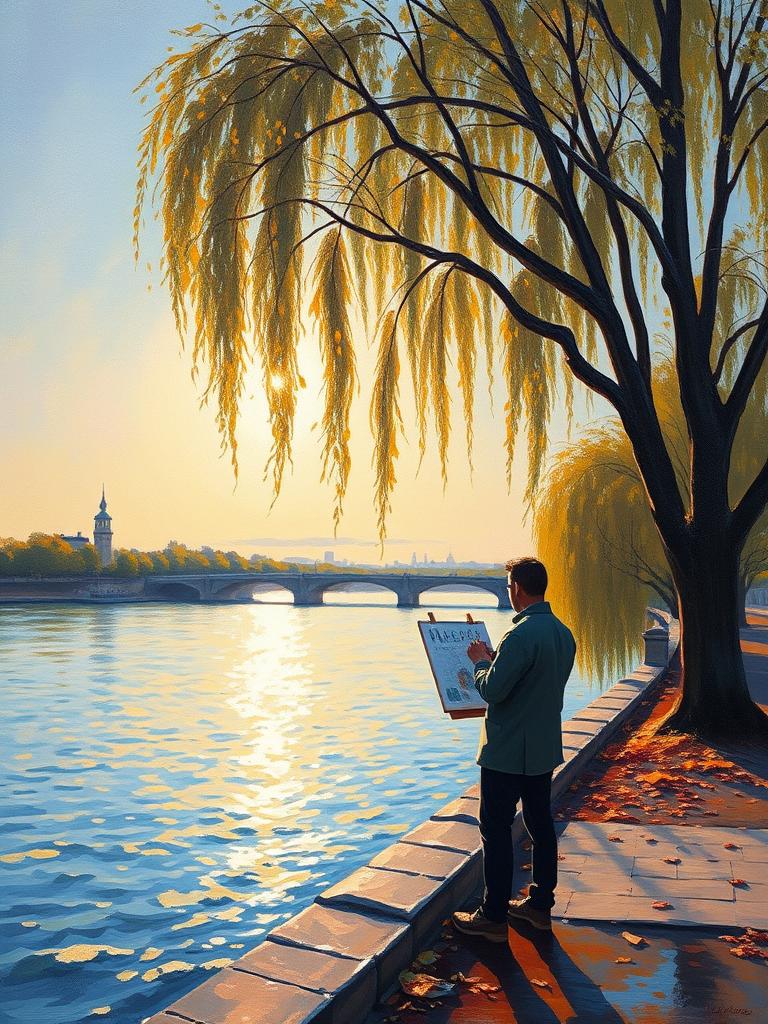
Seine Riverbank
Changing reflections
Watching the water shift colors as the sun moves.
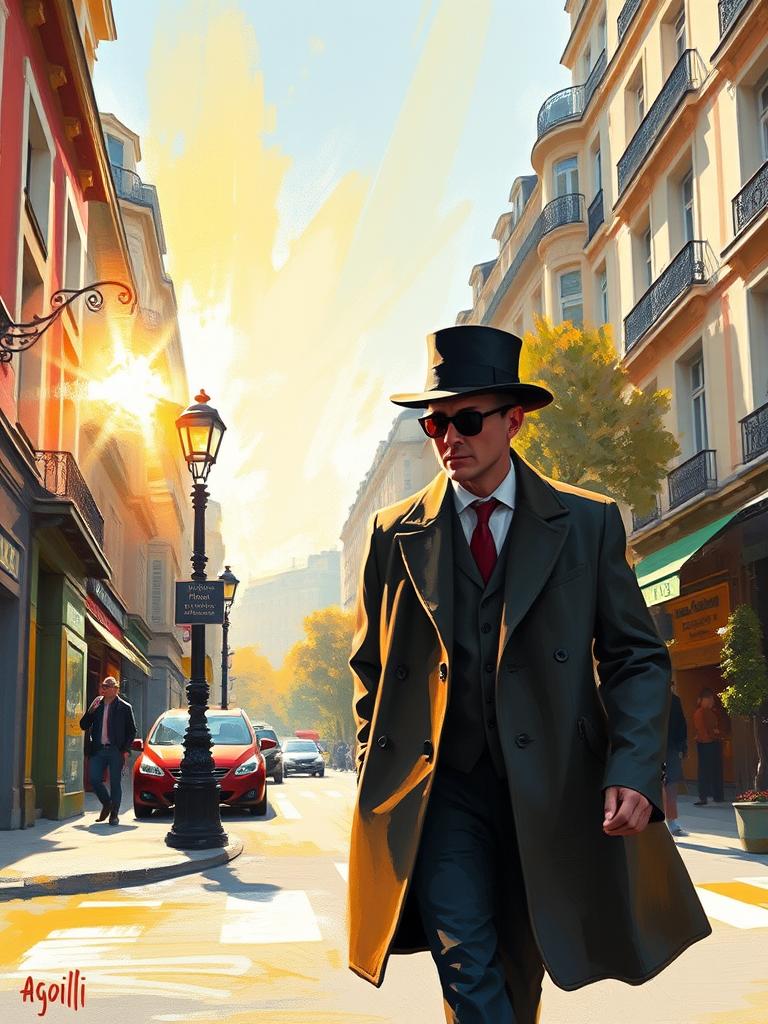
Parisian Boulevardier
Ordinary subject
A modern subject for a modern way of seeing.
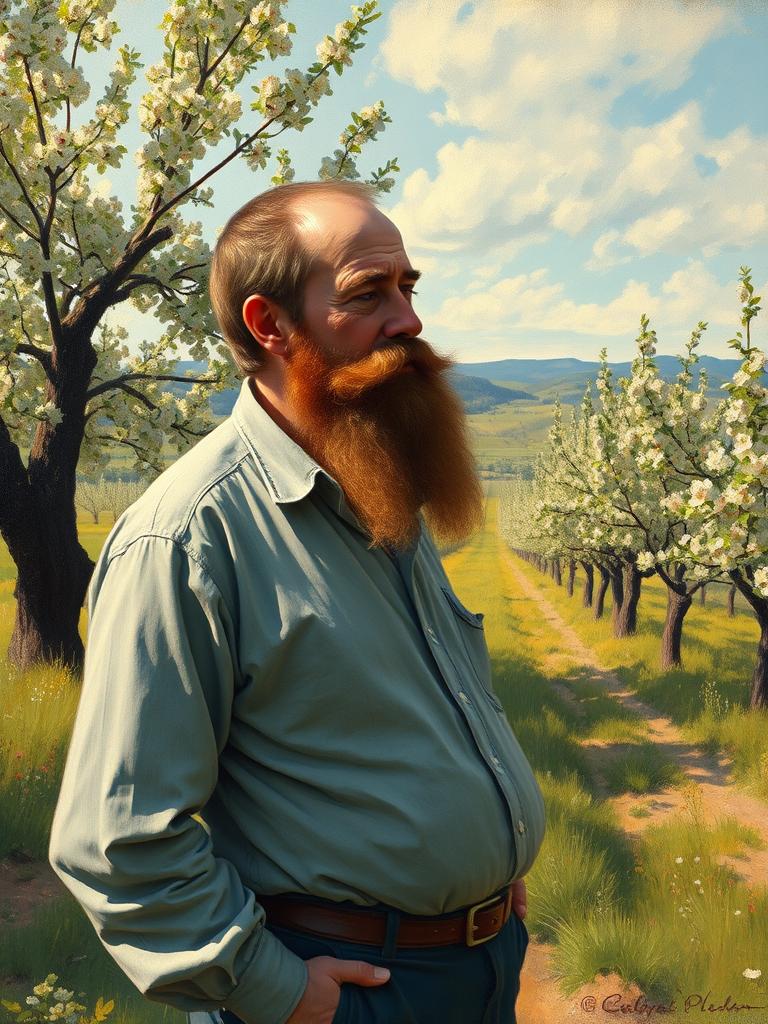
Camille Pissarro
The elder mentor
Guiding younger artists to trust their own eyes.
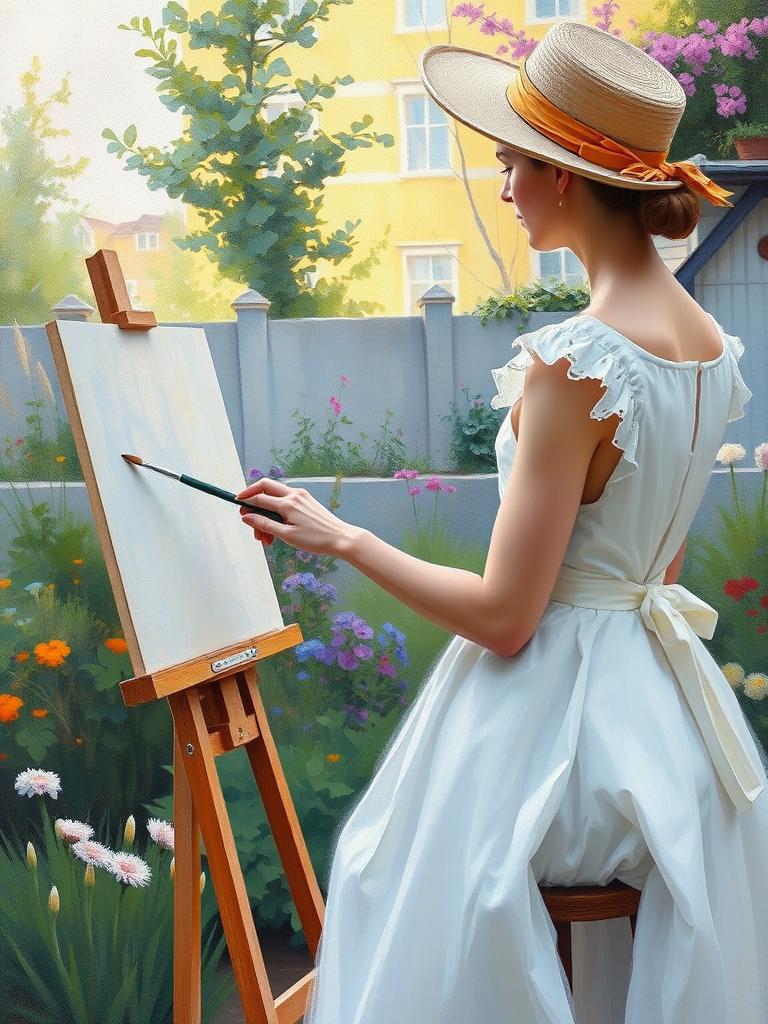
Berthe Morisot
Master of light
Capturing domestic scenes with delicate light play.
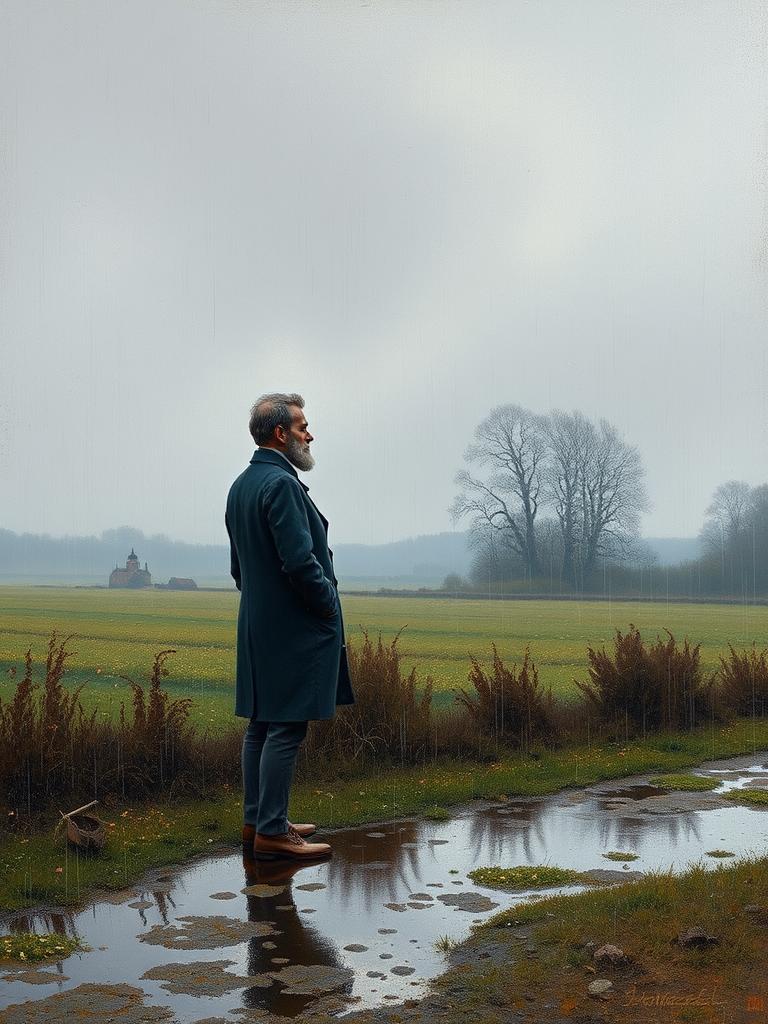
Alfred Sisley
Landscape observer
Painting the countryside as the atmosphere dictates.
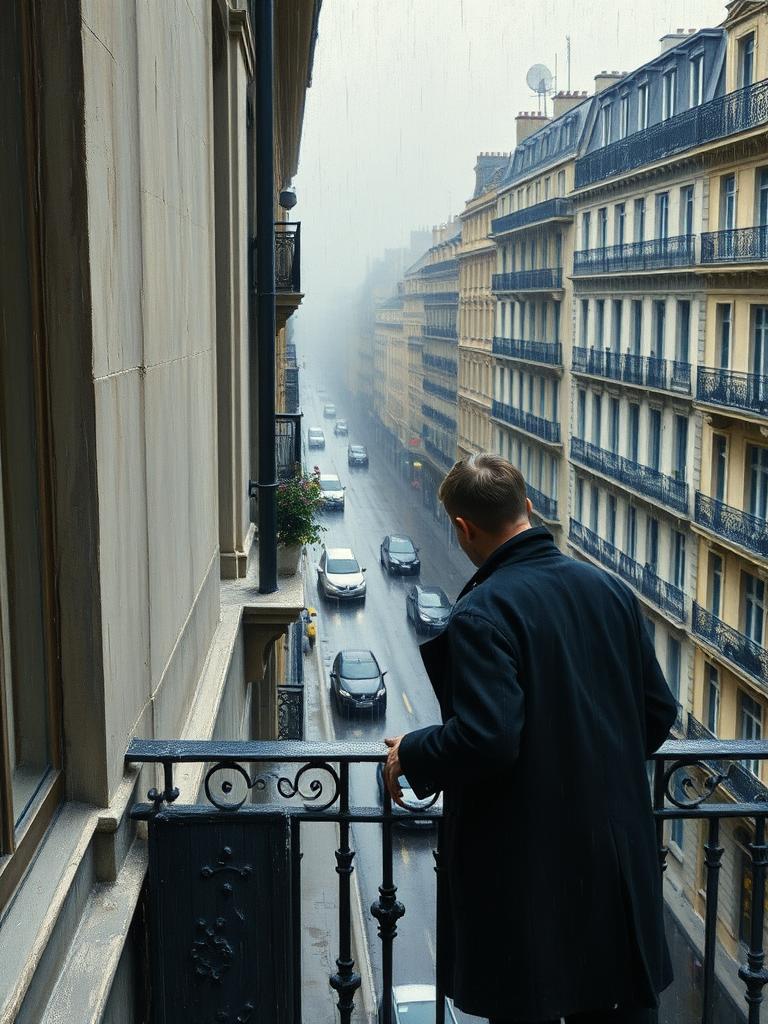
Gustave Caillebotte
Perspective pioneer
Using unusual angles to reshape the viewer's gaze.
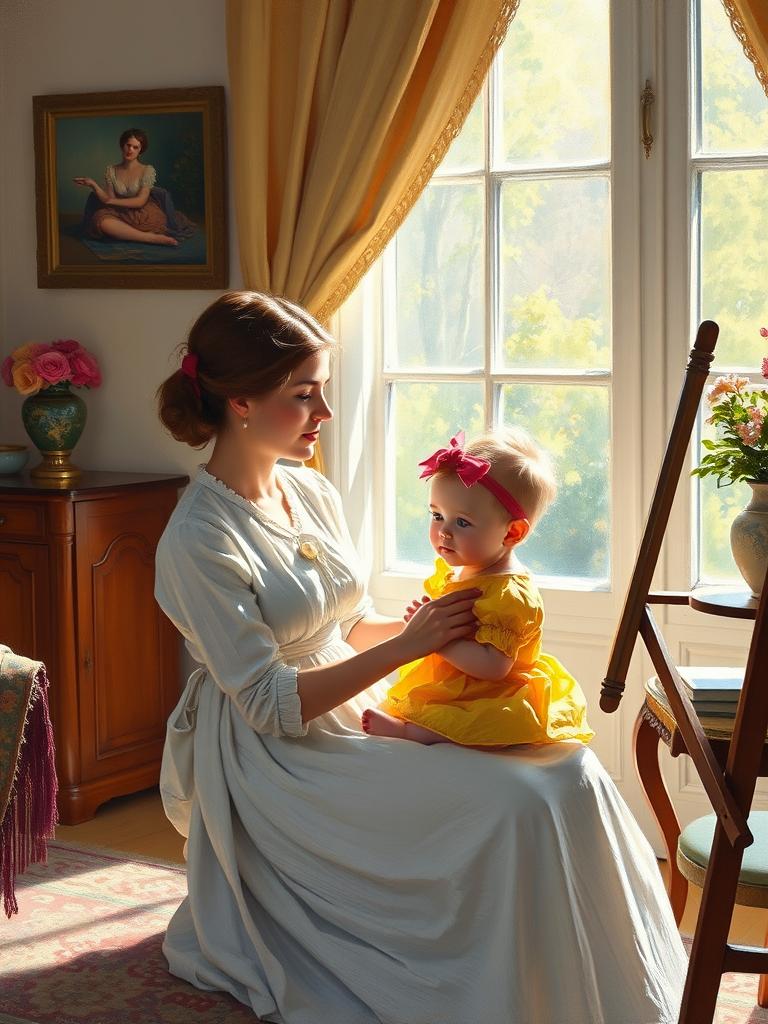
Mary Cassatt
Intimate observer
Focusing on the quiet dignity of modern life.
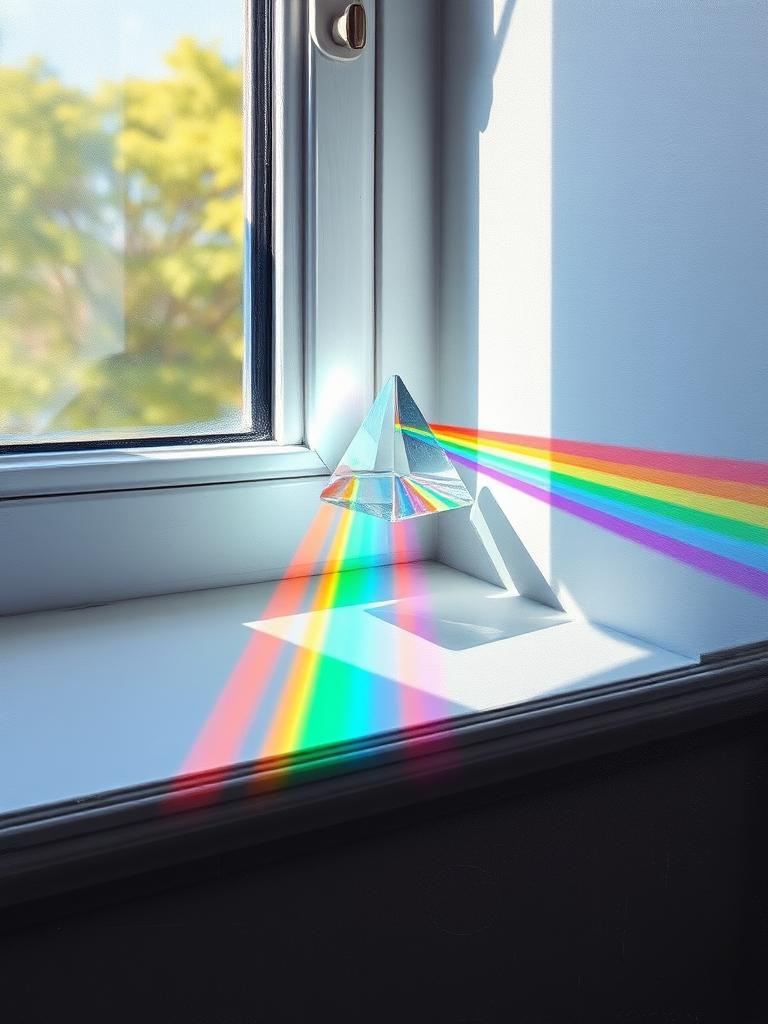
Refracted Light
Color separation
Breaking white light into its chromatic components.
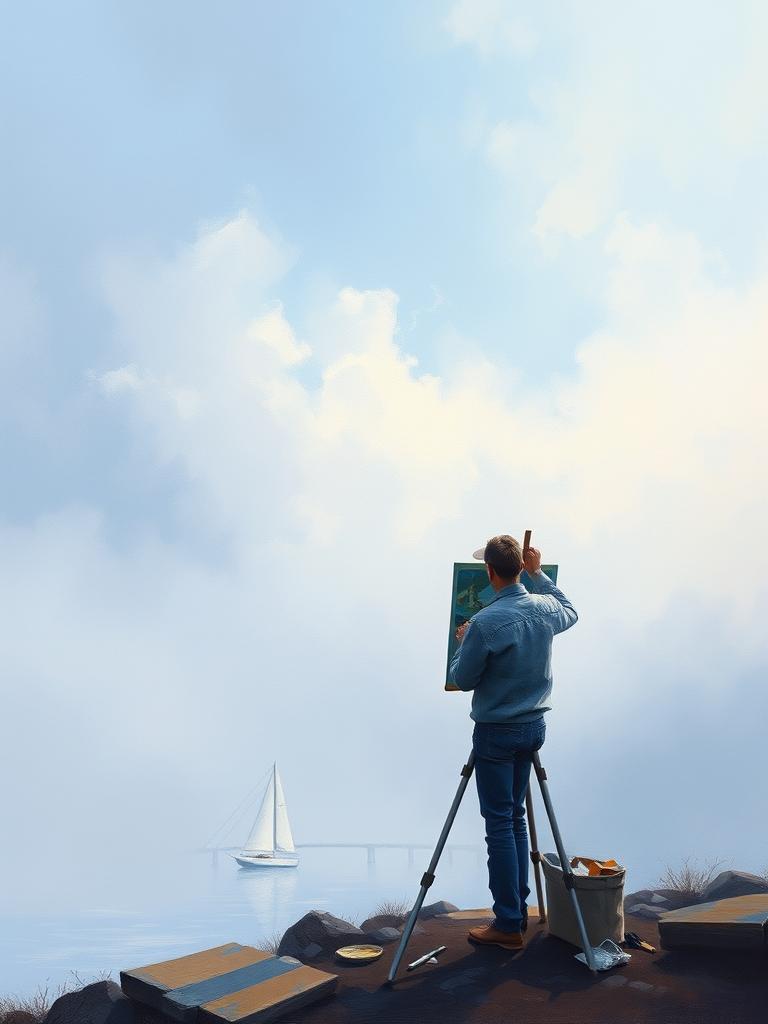
Atmospheric Haze
Softened edges
The veil between the viewer and the subject.
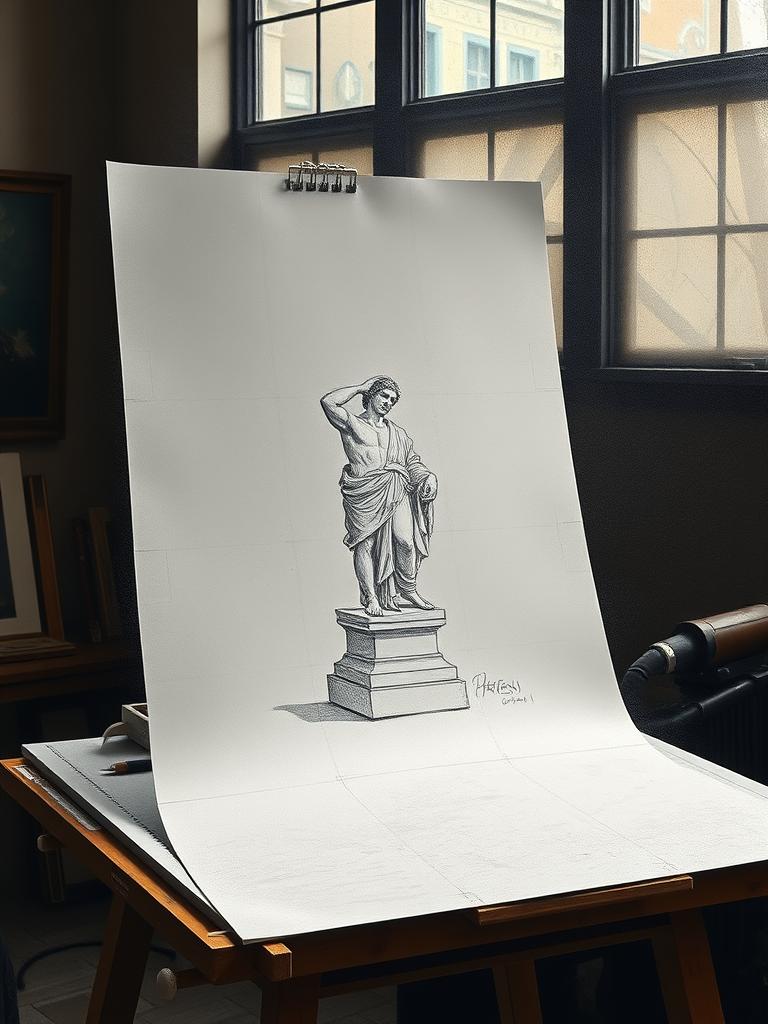
Academic Study
Strict geometry
A formal drawing that enforces traditional rules.
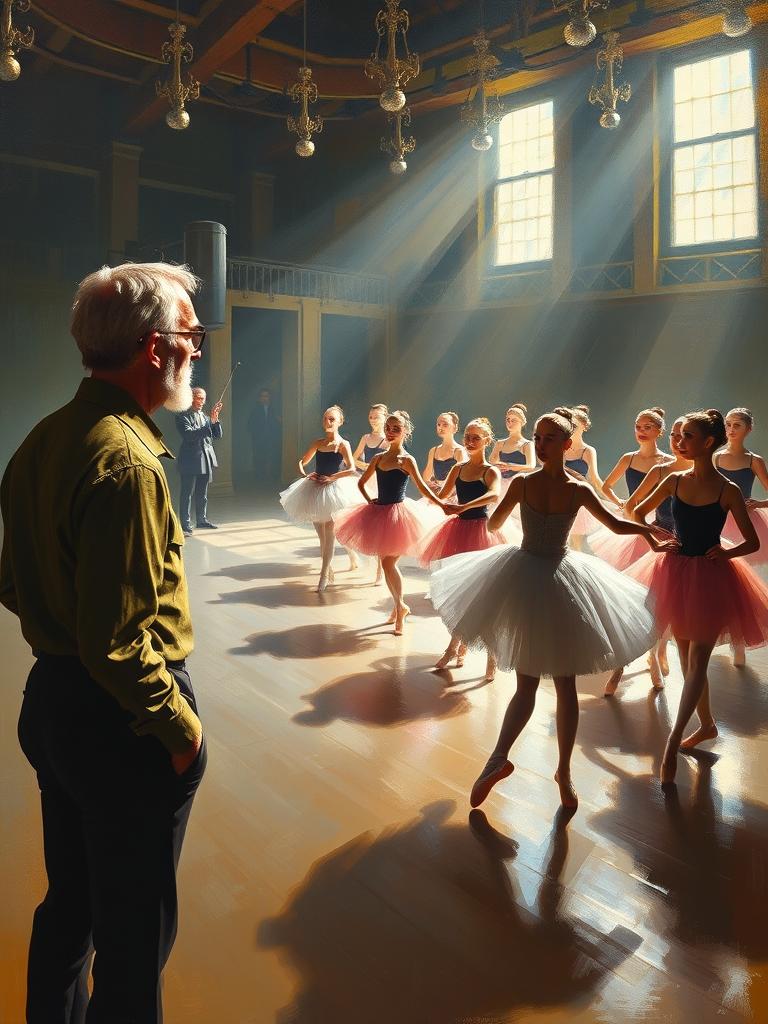
Edgar Degas
Master of movement
Edgar Degas focused intensely on the mechanics of movement, particularly within the Parisian ballet. By employing unusual visual angles and asymmetrical compositions, he moved away from traditional portraiture, instead documenting the physical strain and repetitive labor inherent in the dancers' craft during the late 19th century.
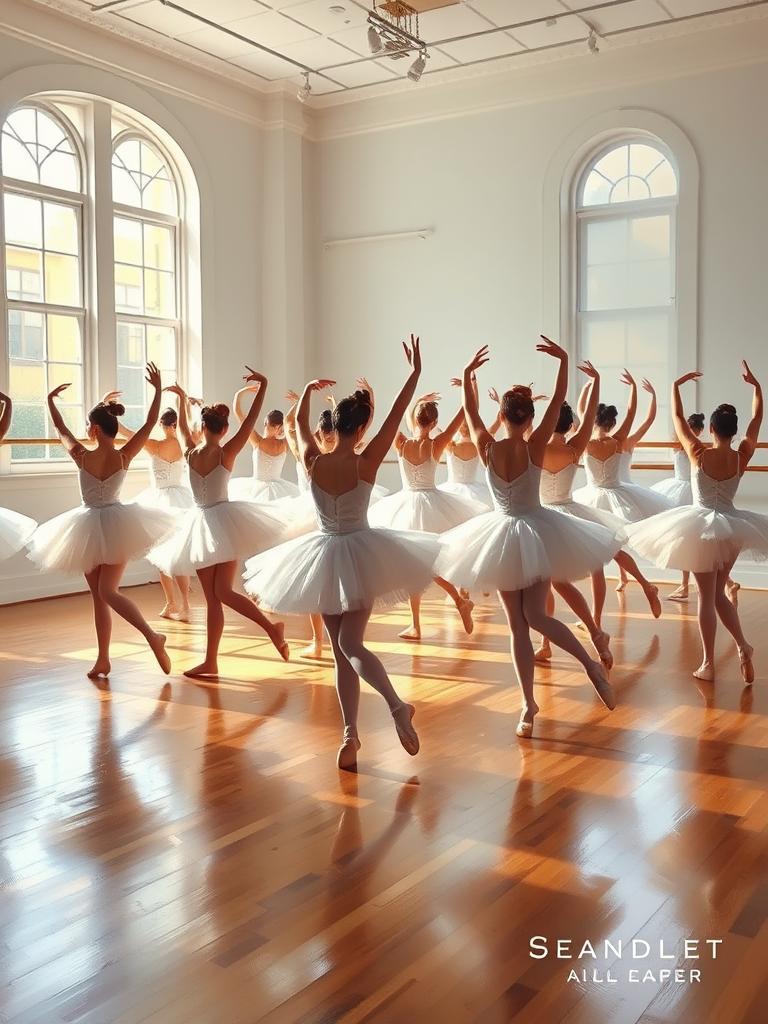
The Ballet Class
Dancers in rehearsal
This work exemplifies the Impressionist fascination with fleeting moments. By capturing dancers in mid-rehearsal rather than in formal performance, the composition highlights the informal, candid nature of observation that defined the movement's departure from the rigid standards of the official Paris Salon.
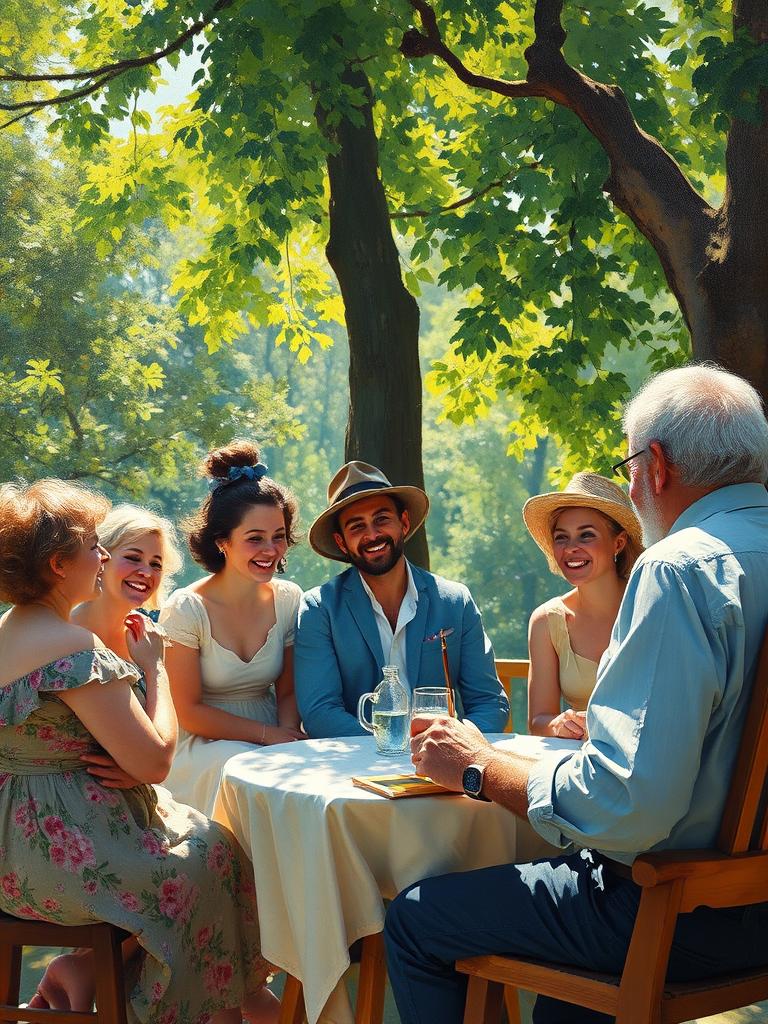
Pierre-Auguste Renoir
Painter of joy
Pierre-Auguste Renoir emphasized the social and sensory aspects of modern life. His practice centered on the vibrancy of human interaction, utilizing soft, dappled light to harmonize figures with their environment, a hallmark of his contribution to the 1870s and 1880s art scene in Paris.
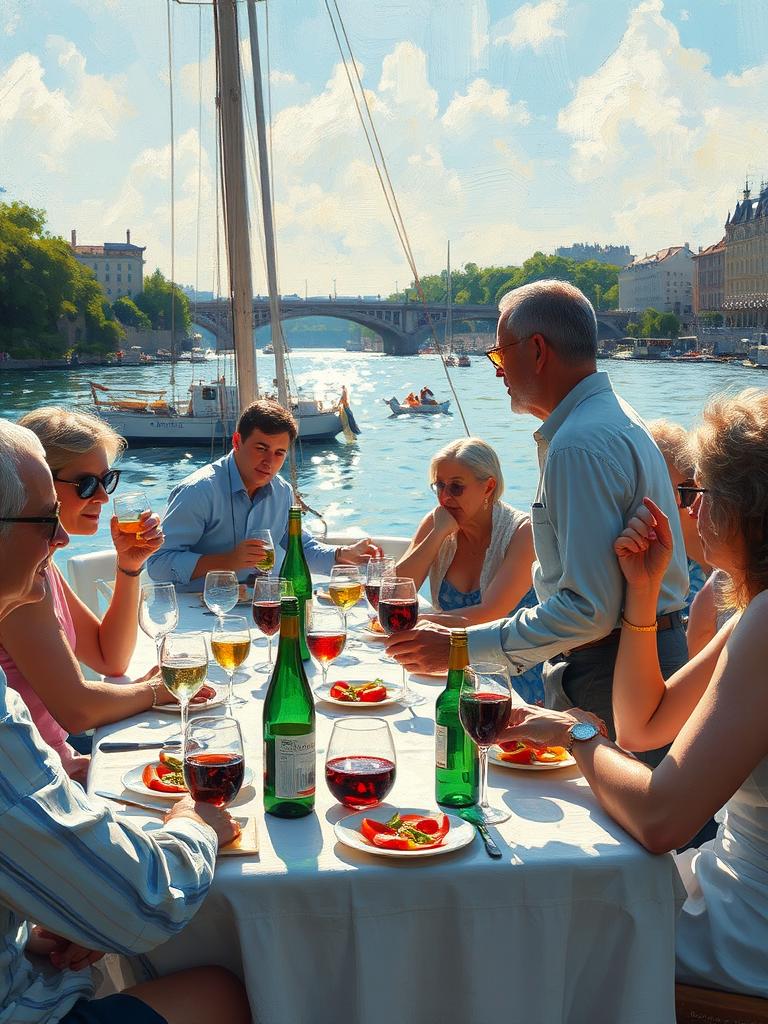
Luncheon of the Boating Party
Social light
This painting serves as a definitive record of leisure in the late 19th century. By focusing on a social gathering, the work captures the interplay of sunlight and personal connection, demonstrating how Impressionist artists translated ordinary, contemporary subject matter into complex, light-filled visual narratives.
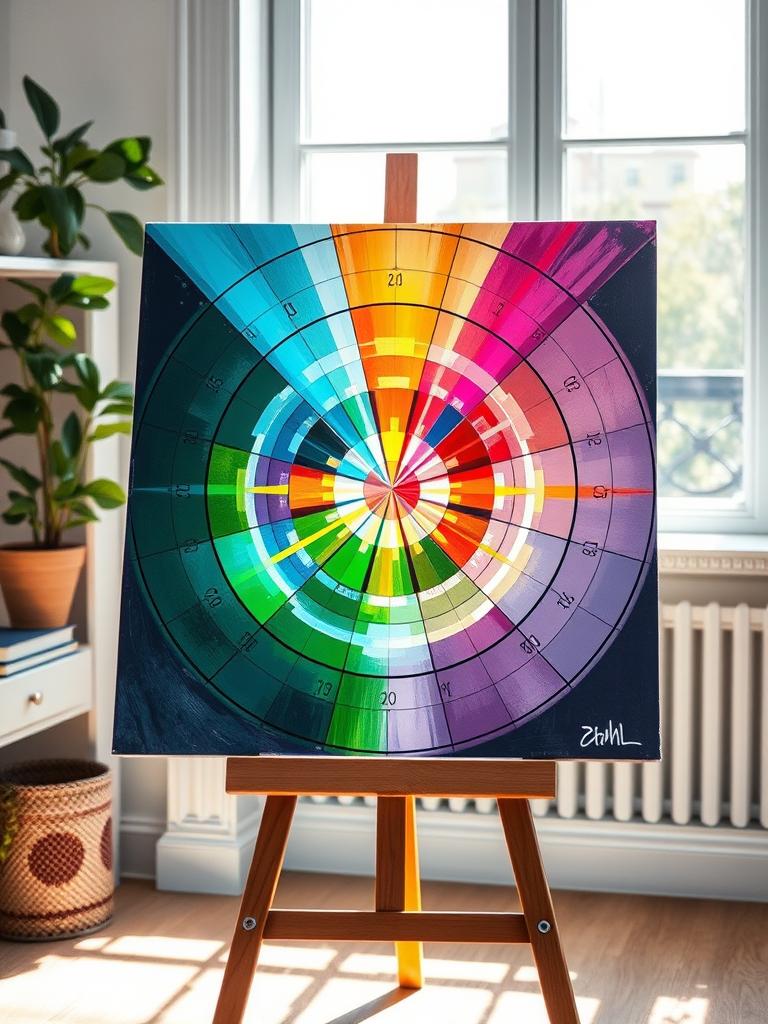
Prism Analysis
Chromatics study
The study of light and color was central to the Impressionist revolution. By applying scientific principles of optical theory, artists began to understand how individual pigments interact when placed side-by-side, allowing the viewer's eye to mix colors and perceive the shifting qualities of light in nature.
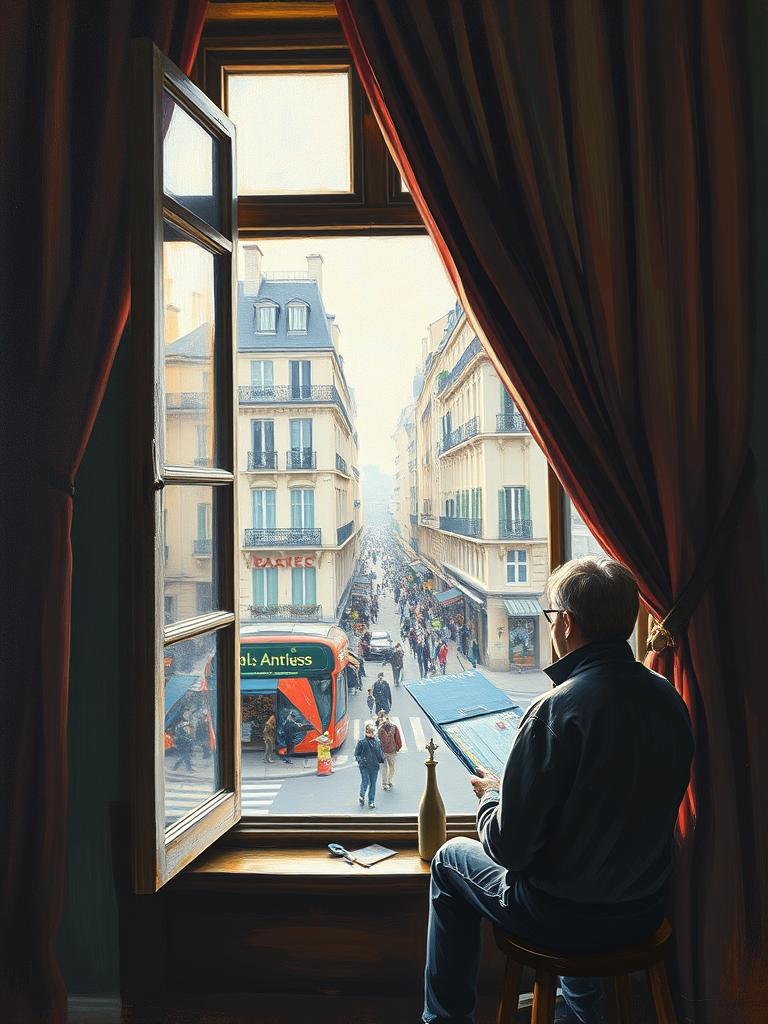
Parisian Window
New perspective
The window served as a vital frame for the modern artist, bridging the gap between the controlled interior and the evolving urban landscape. By capturing the view through a modern lens, painters challenged traditional perspectives and invited a new, fragmented way of seeing the city.
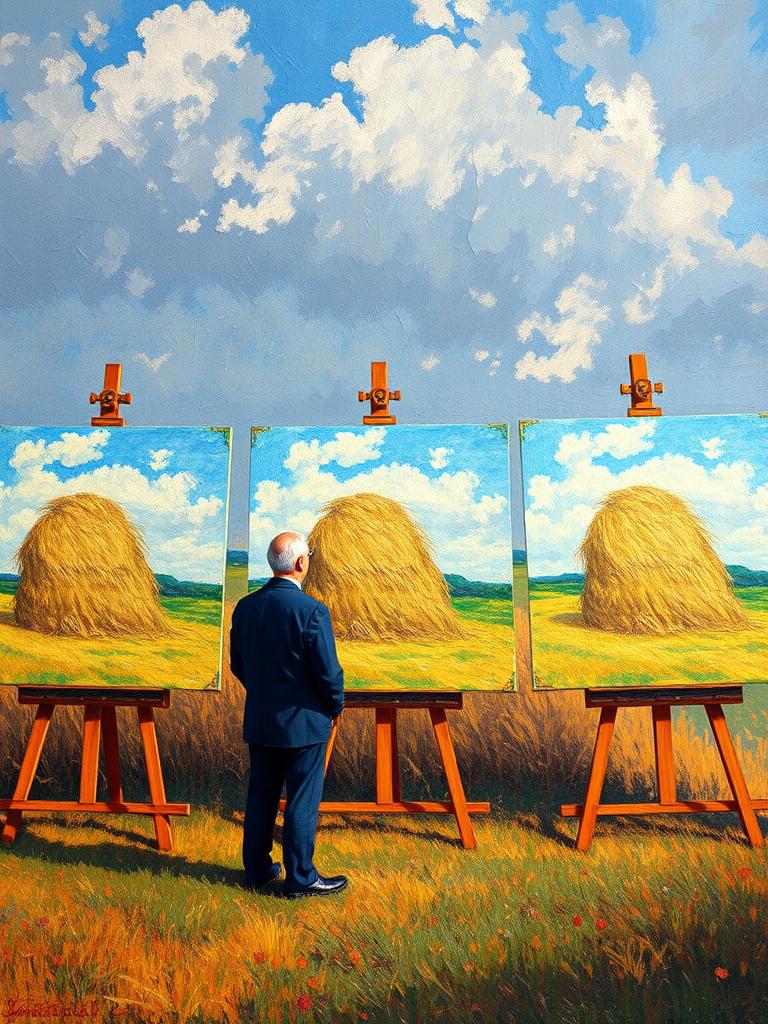
Claude Monet
Master of series
Claude Monet pioneered the serial approach to painting, documenting the same landscape at different times of day to record the changing qualities of light. This methodical practice allowed him to prioritize the atmospheric conditions of a scene over its static, physical form.
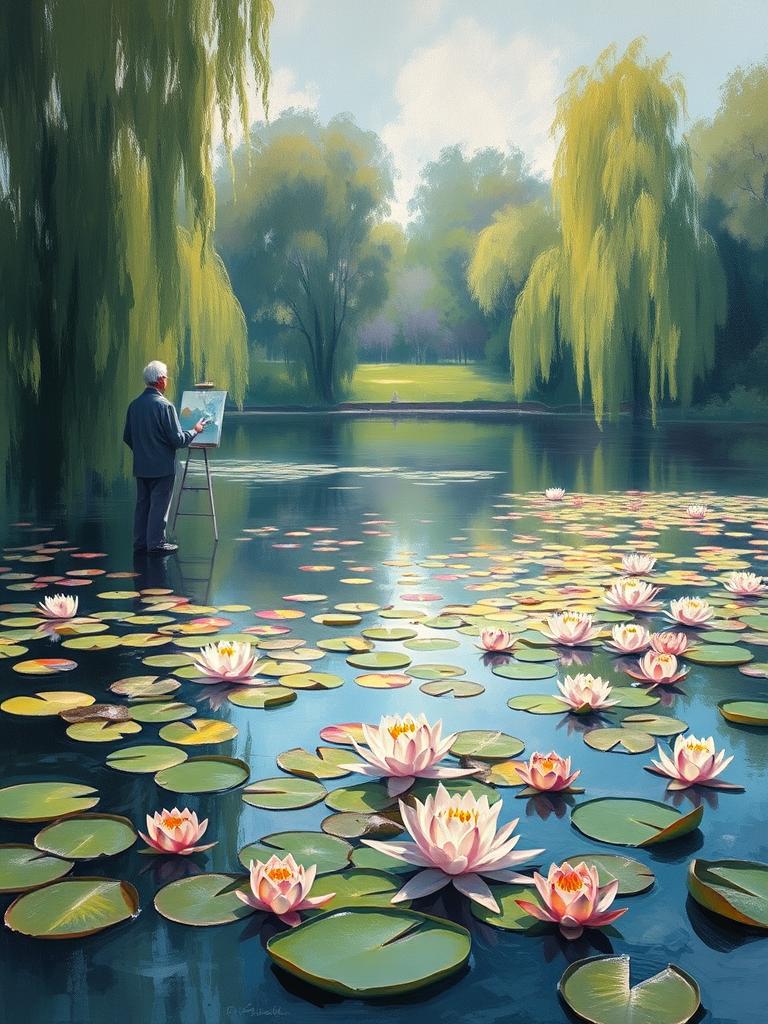
Water Lilies
Pond reflection
Monet’s extensive series of water lilies, created at his home in Giverny, represents an evolution toward abstraction. By focusing exclusively on the reflective surface of the pond, he dissolved the boundaries between the water and the sky, emphasizing the sensory experience of light and color.
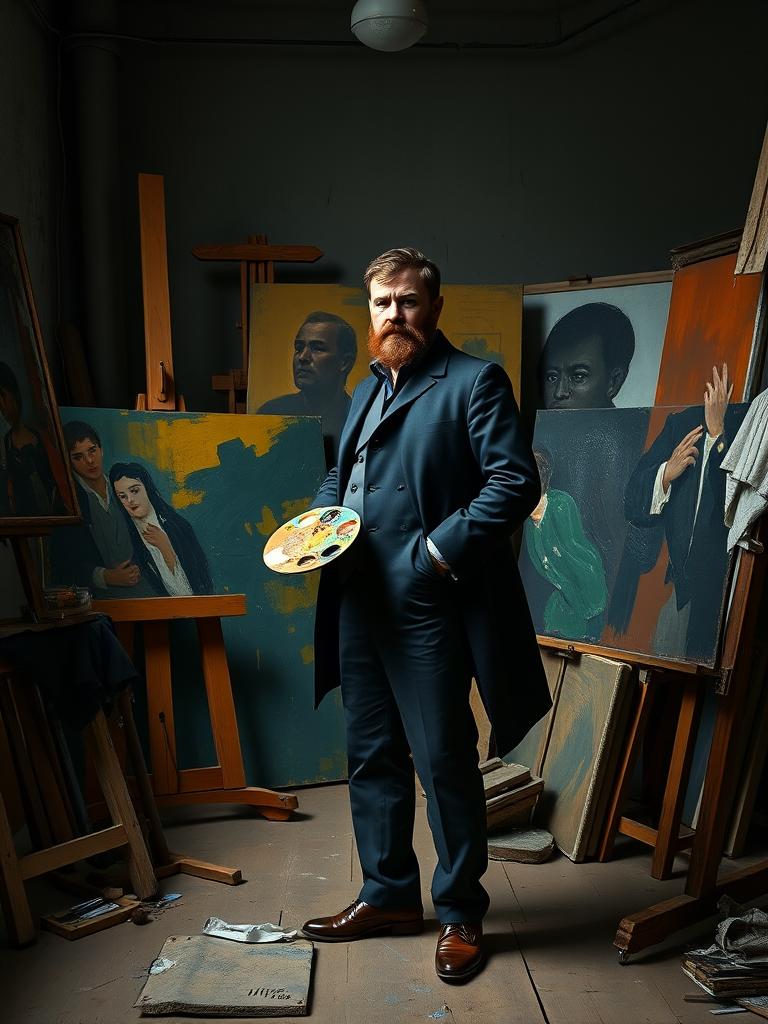
Édouard Manet
The provocateur
Édouard Manet acted as a critical bridge between the rigid traditions of the past and the experimental spirit of modernism. His bold brushwork and refusal to adhere to conventional subject matter made him a central, often controversial, figure during the rise of the independent exhibitions in Paris.
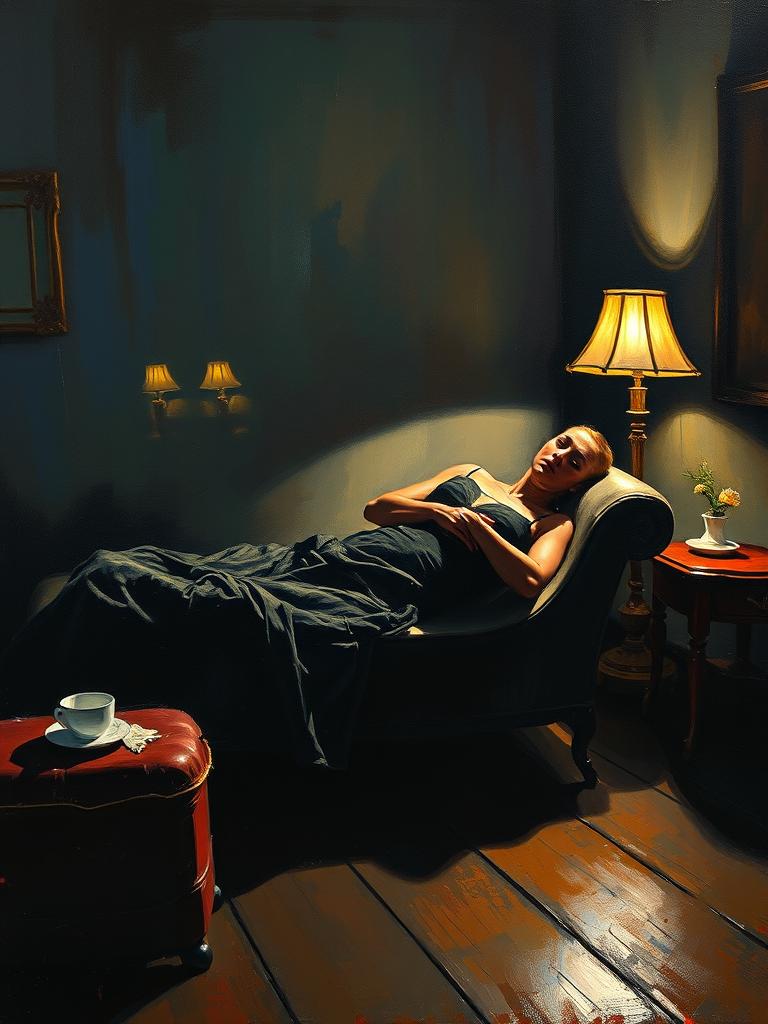
Olympia
The refused vision
First exhibited in 1865, this work challenged the conservative expectations of the public. By subverting traditional artistic tropes and presenting a contemporary subject with direct, unflinching realism, the painting became a symbol of the friction between academic standards and the emerging modern movement.
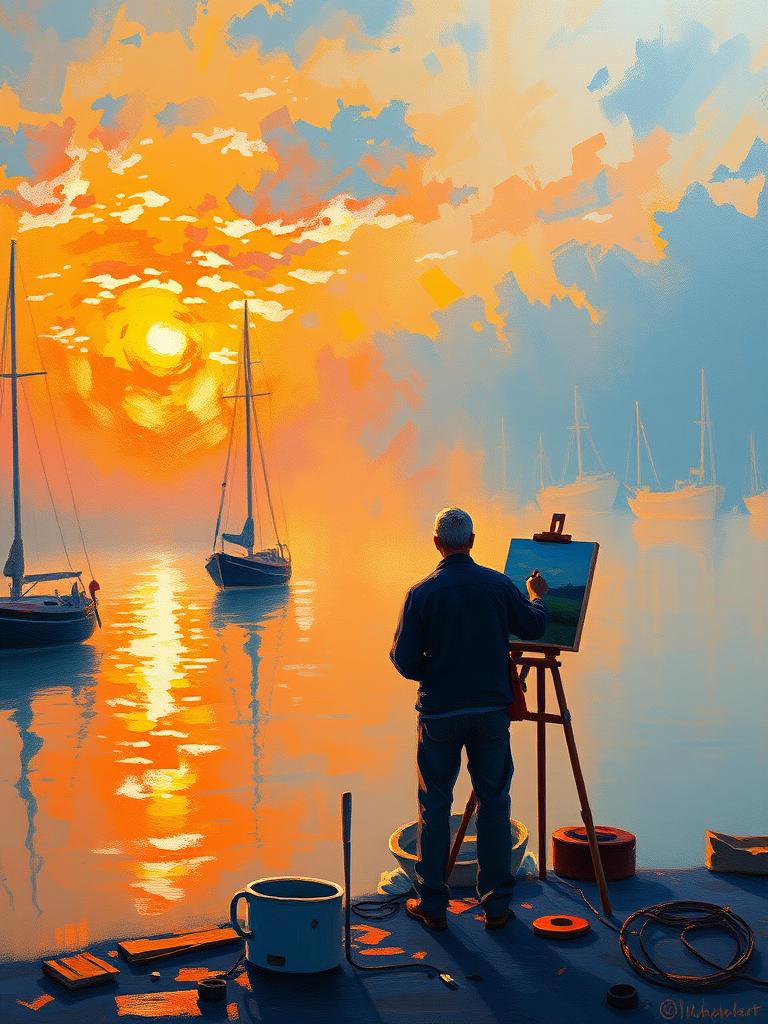
Impression, Sunrise
The movement's dawn
Exhibited in 1874, this painting provided the movement with its iconic name. Through the use of visible brush strokes and an emphasis on the immediate perception of light at dawn, it signaled a definitive break from the narrative-heavy, polished aesthetic of the traditional Paris Salon.
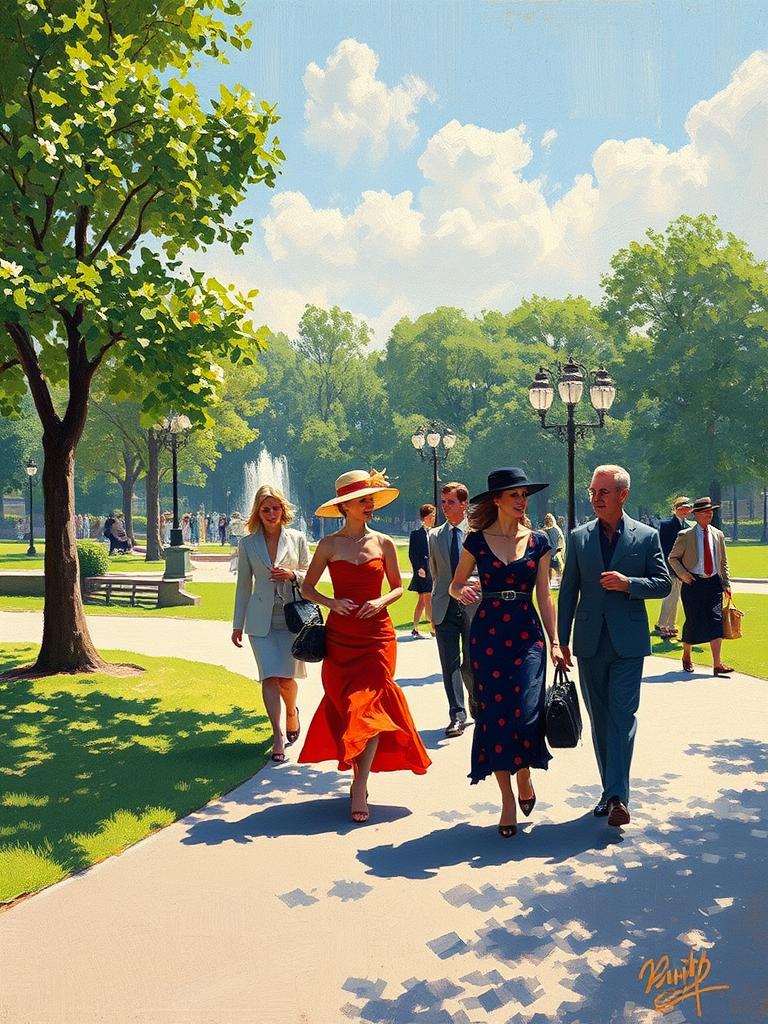
A Sunday Afternoon
Pointillist masterwork
Representing a shift toward precision, this massive composition utilizes pointillism to construct images through individual dots of color. By applying rigorous optical theory to the canvas, the work transformed the fleeting, spontaneous nature of early Impressionism into a calculated, structured study of light and form.