Supervolcanoes
30 cards and 2 towers, generated on “Supervolcanoes”. Language: en.
Towers
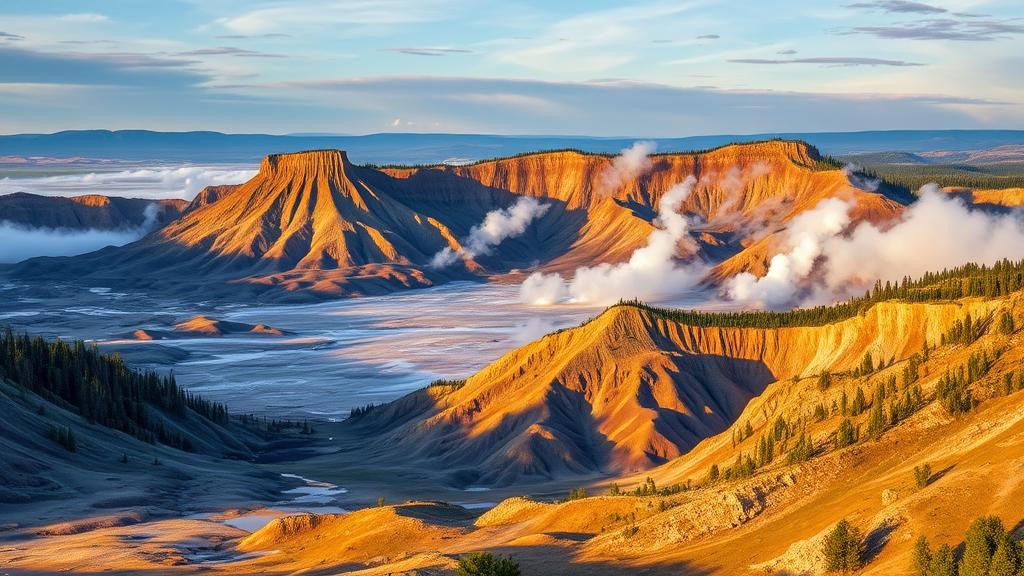
Yellowstone Caldera
The Yellowstone Caldera is a complex volcanic field spanning parts of Wyoming, Montana, and Idaho. Driven by a deep-seated hotspot, this system covers approximately 17,000 square kilometers and includes four overlapping calderas, multiple resurgent domes, and expansive rhyolitic lava flows. It represents one of the most significant Quaternary volcanic systems on the planet, with a history characterized by intense, periodic explosive activity. The landscape is a testament to the immense thermal energy stored beneath the continental crust, where the movement of magma continuously reshapes the topography. By maintaining the pressure and tectonic stability of the region, this massive volcanic heart sustains the flow of heat and mineral wealth required to dominate the field.
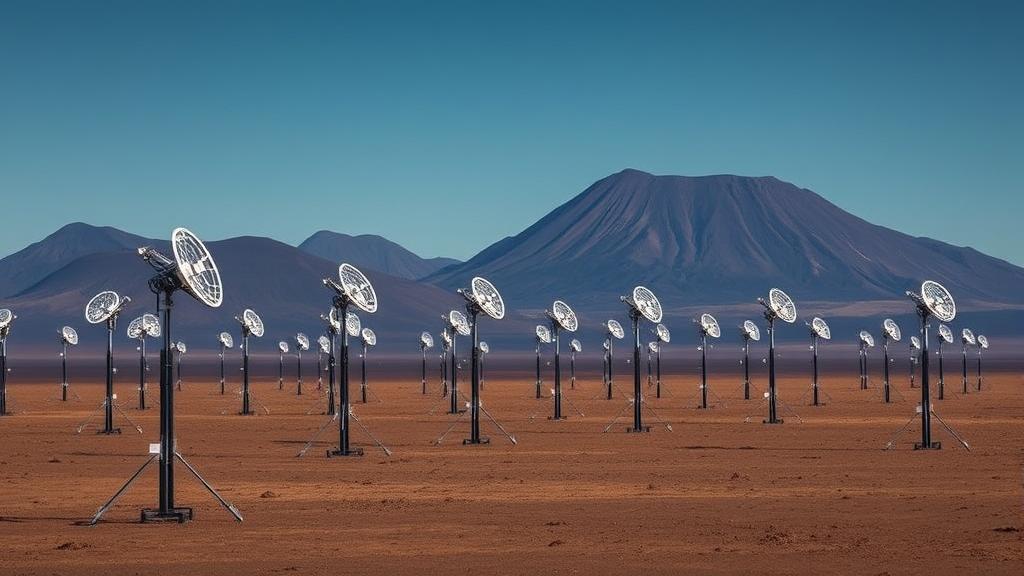
Global Observation Network
The Global Observation Network utilizes advanced seismic and geodetic instrumentation to track the subtle movements of the Earth's crust. By monitoring tremors and ground deformation, scientists can identify the precursor signals of volcanic activity before they manifest as surface eruptions. This network is essential for quantifying the energy released during seismic events and mapping the stress fields that govern tectonic plate interactions. By integrating atmospheric data with ground-based sensors, the system provides a comprehensive view of the Earth's volatile behavior, ensuring that every shift is recorded and analyzed. Through the precise collection of geological data, this array stabilizes the board, hoarding the necessary knowledge to anticipate and mitigate the chaos of tectonic forces.
The 30 cards
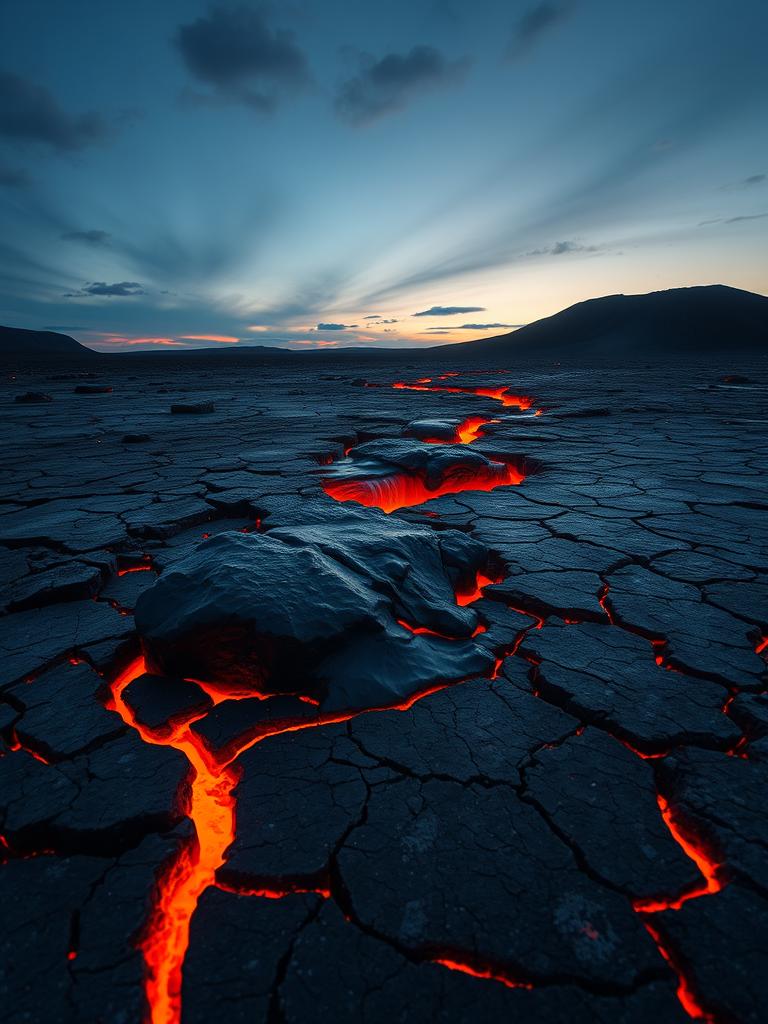
Basaltic Flow
Molten dark rock
Slow-moving rivers of cooling lava that solidify the ground.
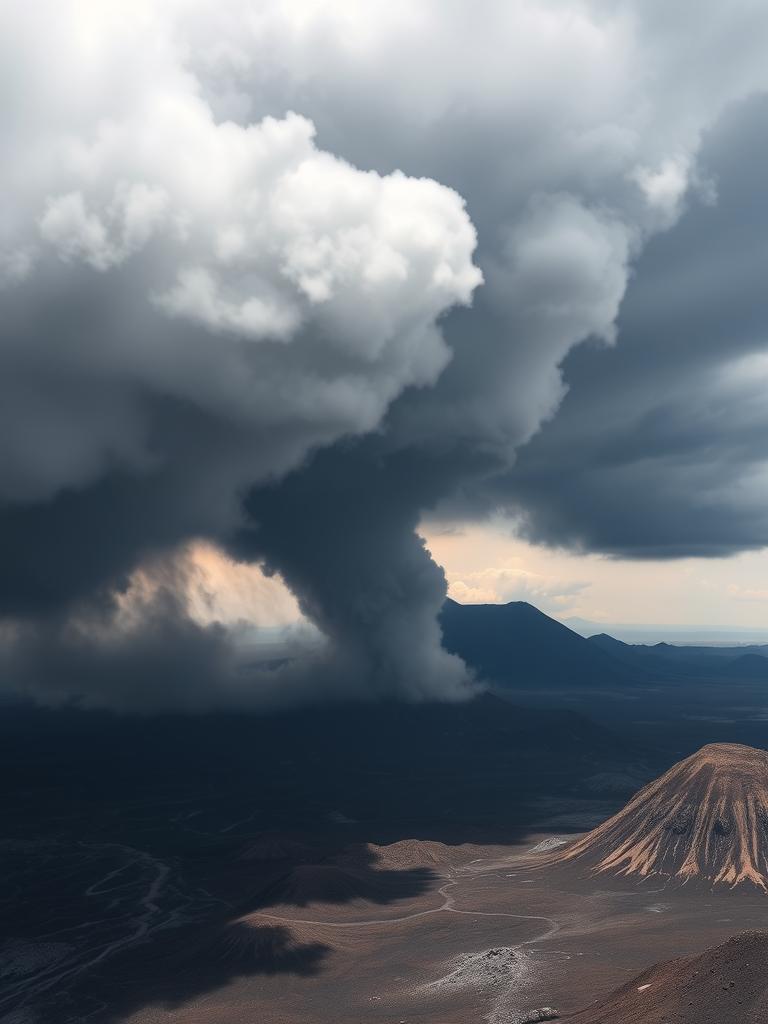
Ash Fall
Fine airborne particles
A blanket of gray dust that obscures the horizon.
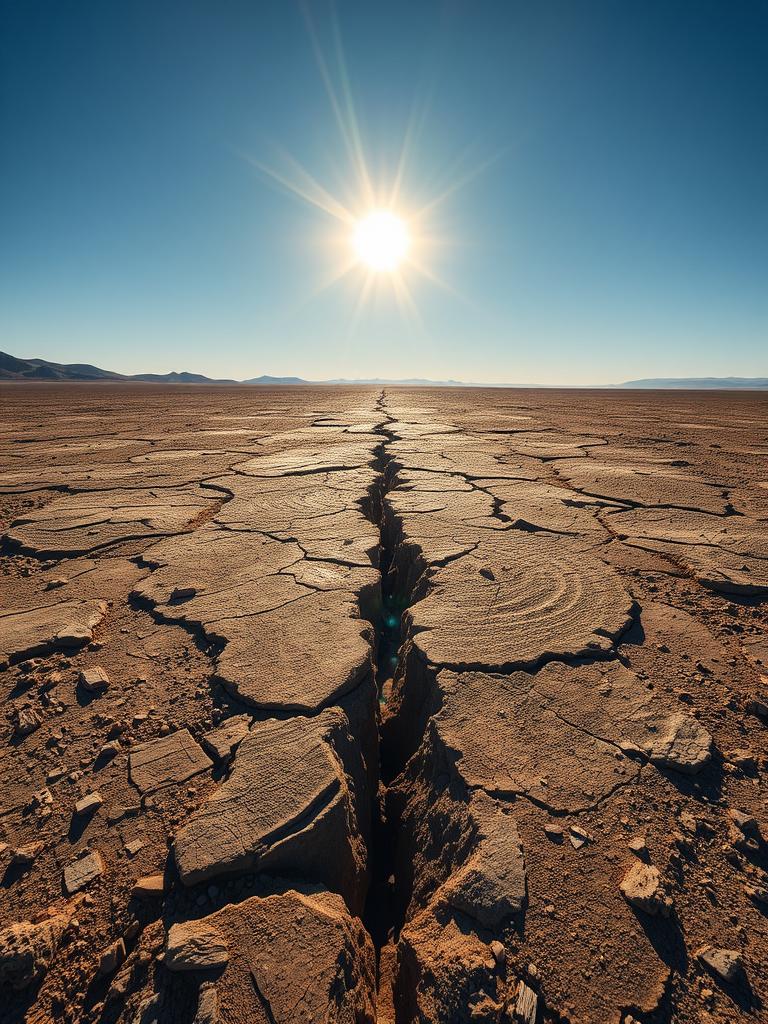
Seismic Tremor
Minor ground shift
The earth vibrates, signaling rising pressure below.
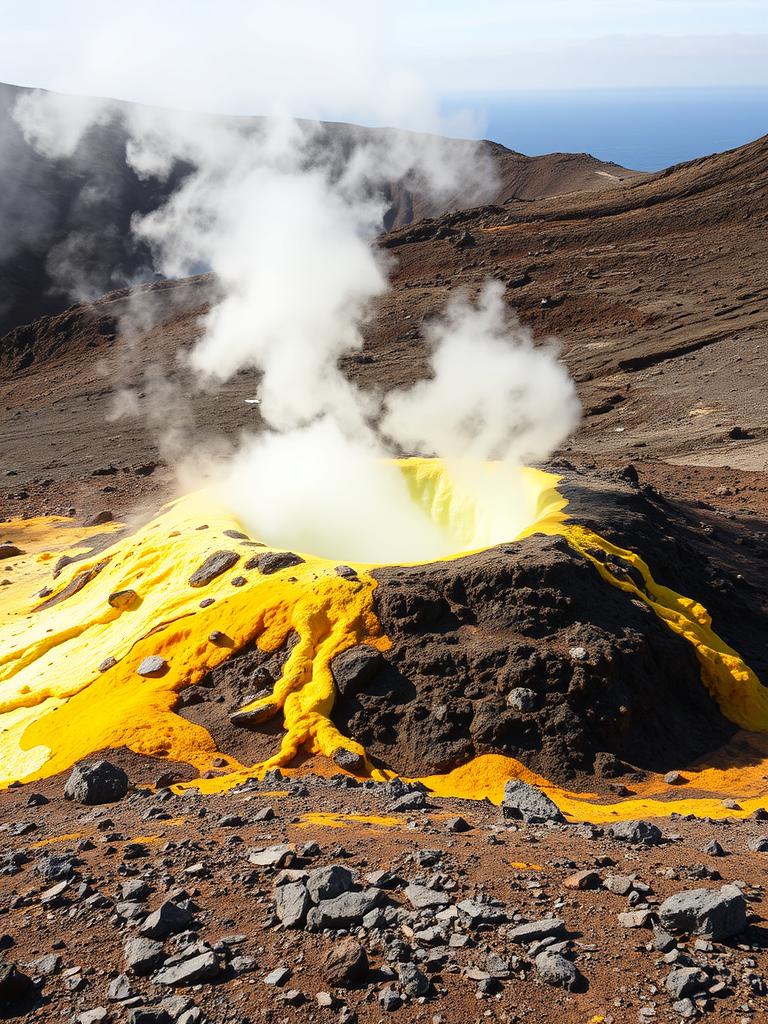
Fumarole
Steam vent opening
Small vents releasing gases from the depths.
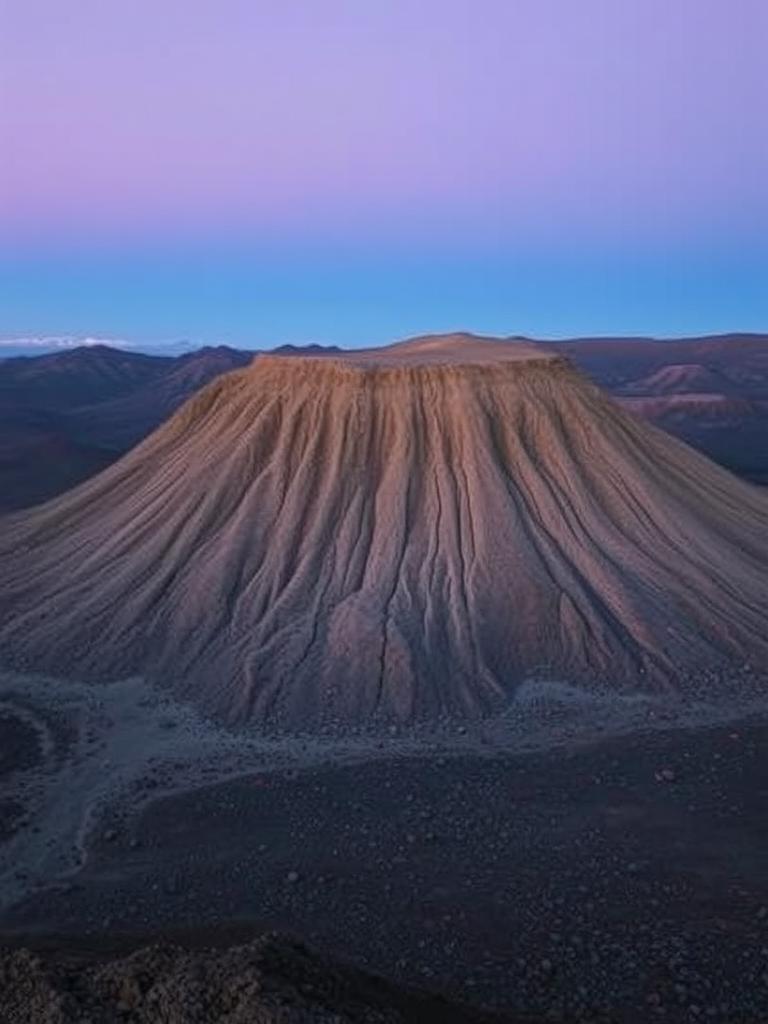
Rhyolite Dome
Viscous lava mound
A thick, sticky buildup of volcanic rock.
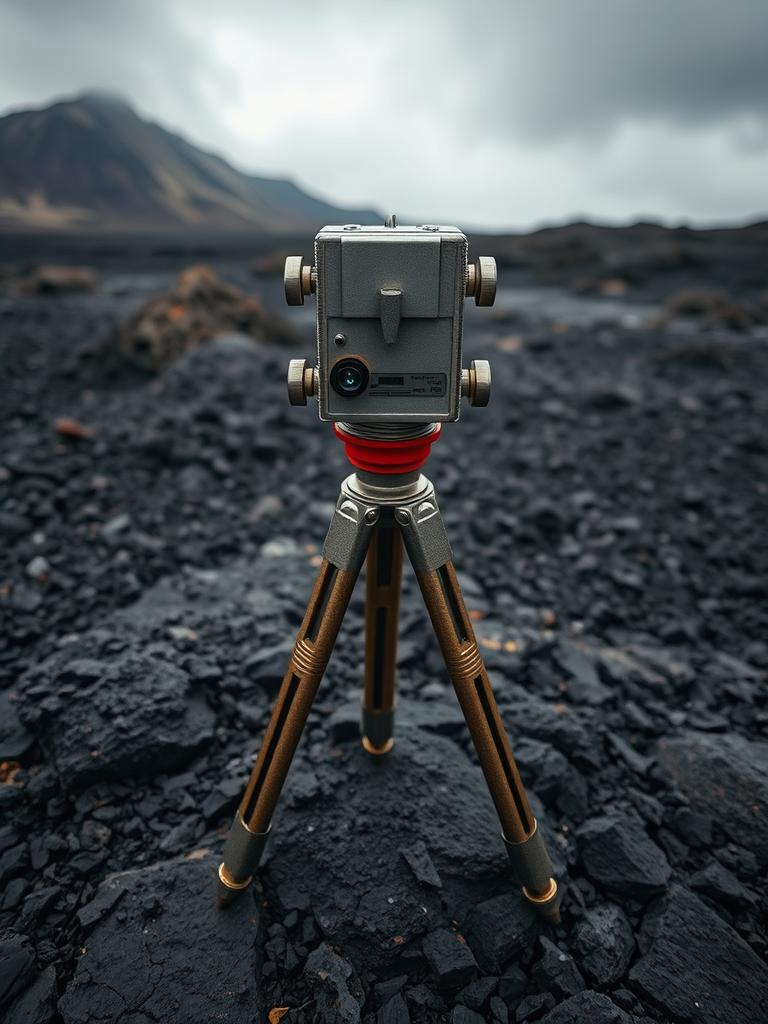
Seismometer
Early warning sensor
Constantly measuring the heartbeat of the mountain.
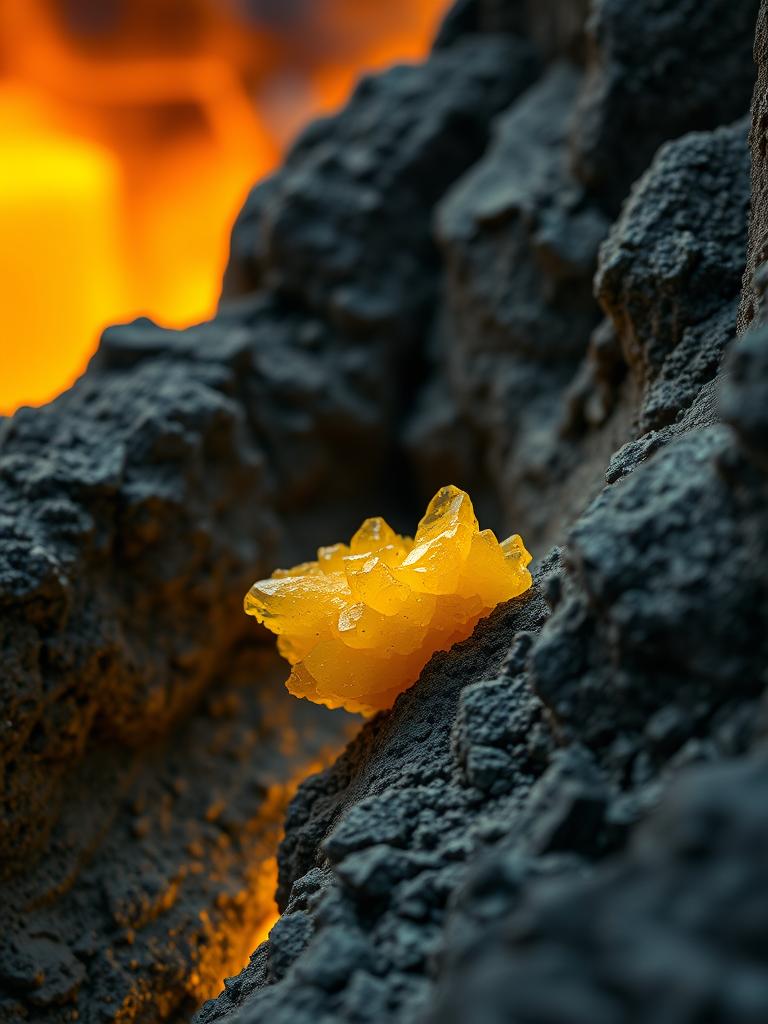
Sulfur Crystal
Yellow chemical deposit
A common mineral formed by cooling volcanic gases.
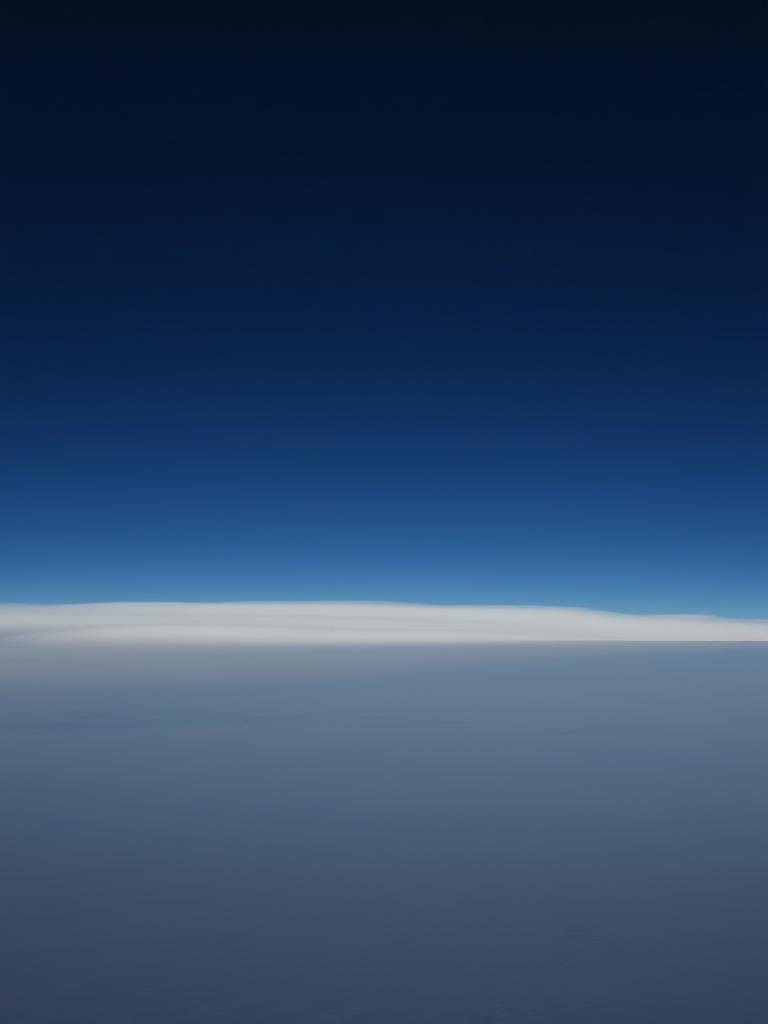
Stratospheric Cloud
High altitude haze
Particles caught in the jet stream circling the globe.
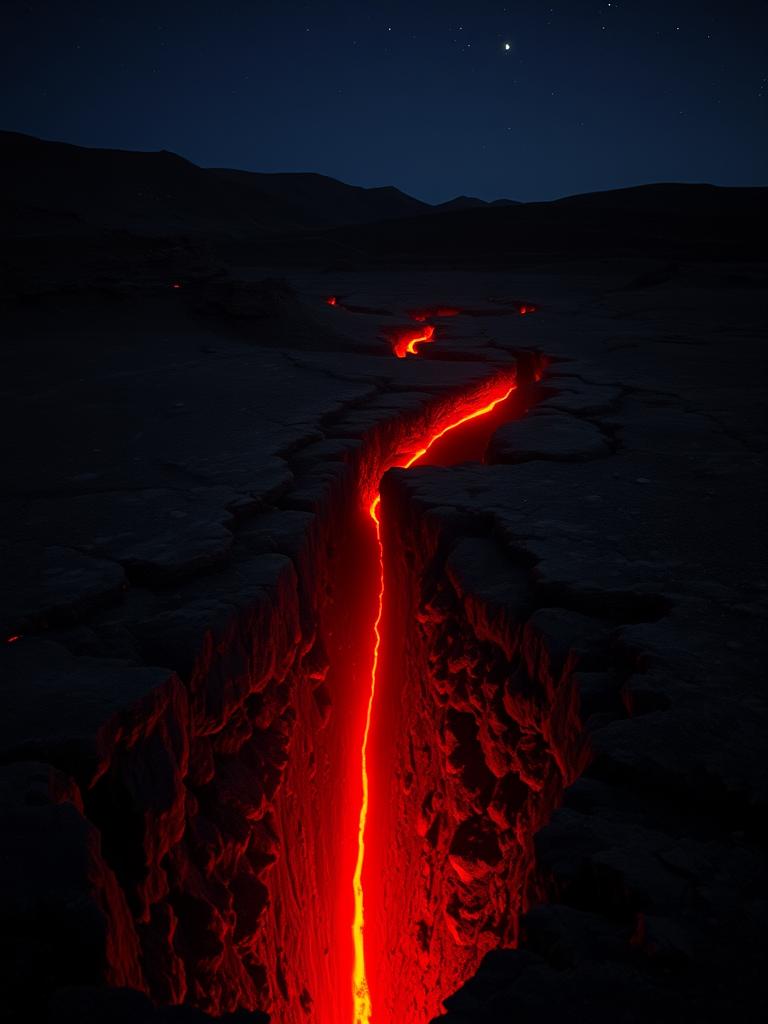
Magma Channel
Underground lava path
A vein of molten rock feeding the surface.
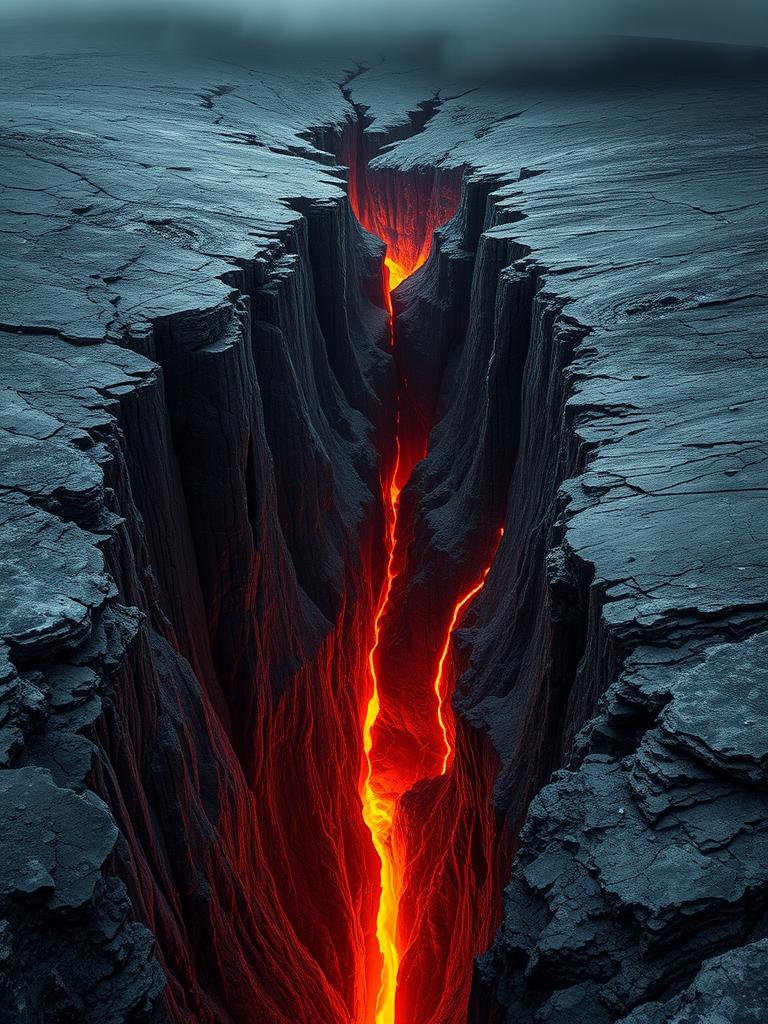
Tectonic Plate Edge
Active crust boundary
The point where the earth's crust grinds together.
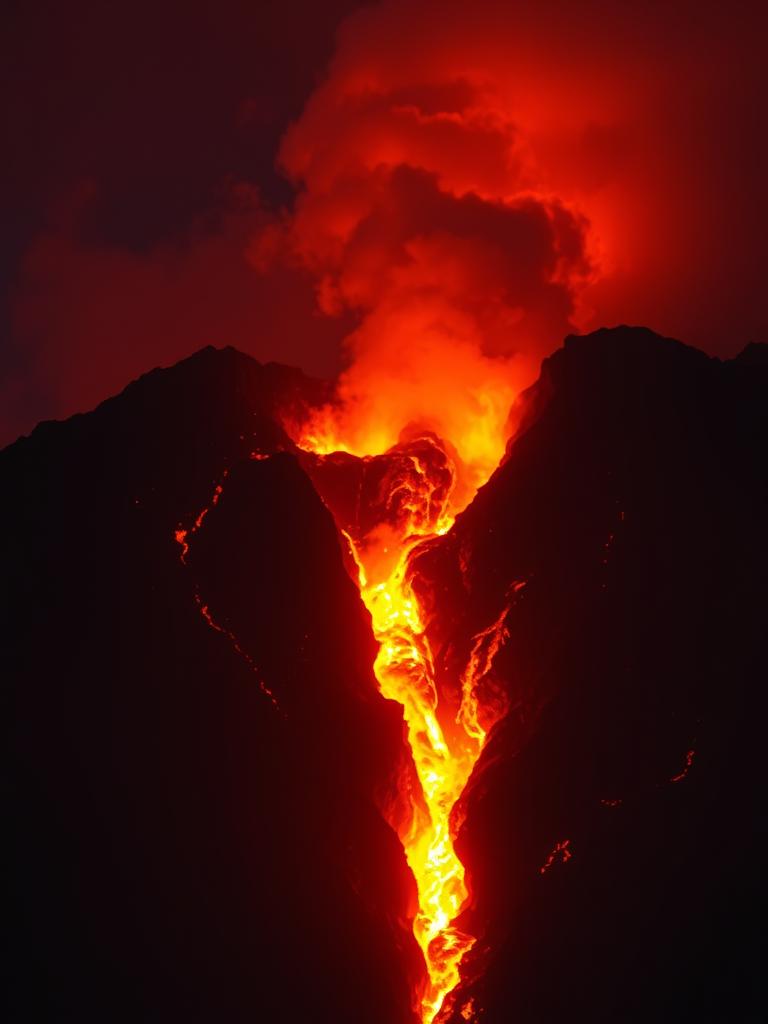
Pyroclastic Surge
Superheated gas cloud
A fast-moving current of superheated gas and rock.
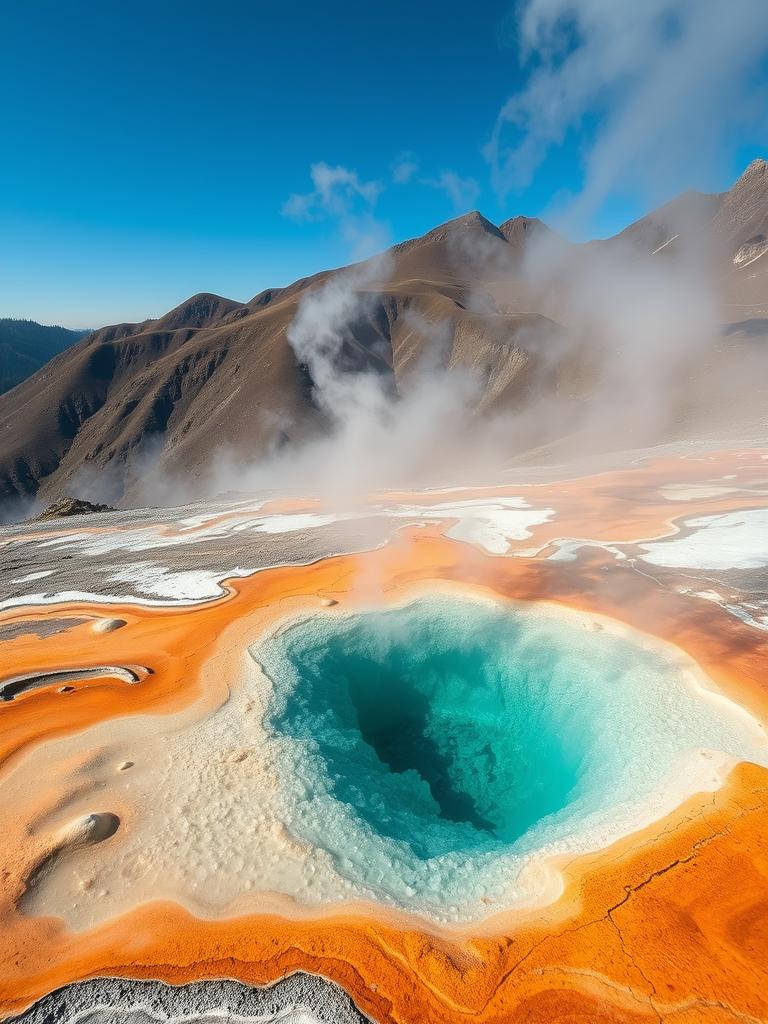
Geothermal Hot Spring
Heated surface water
Water heated by deep subterranean magma chambers.
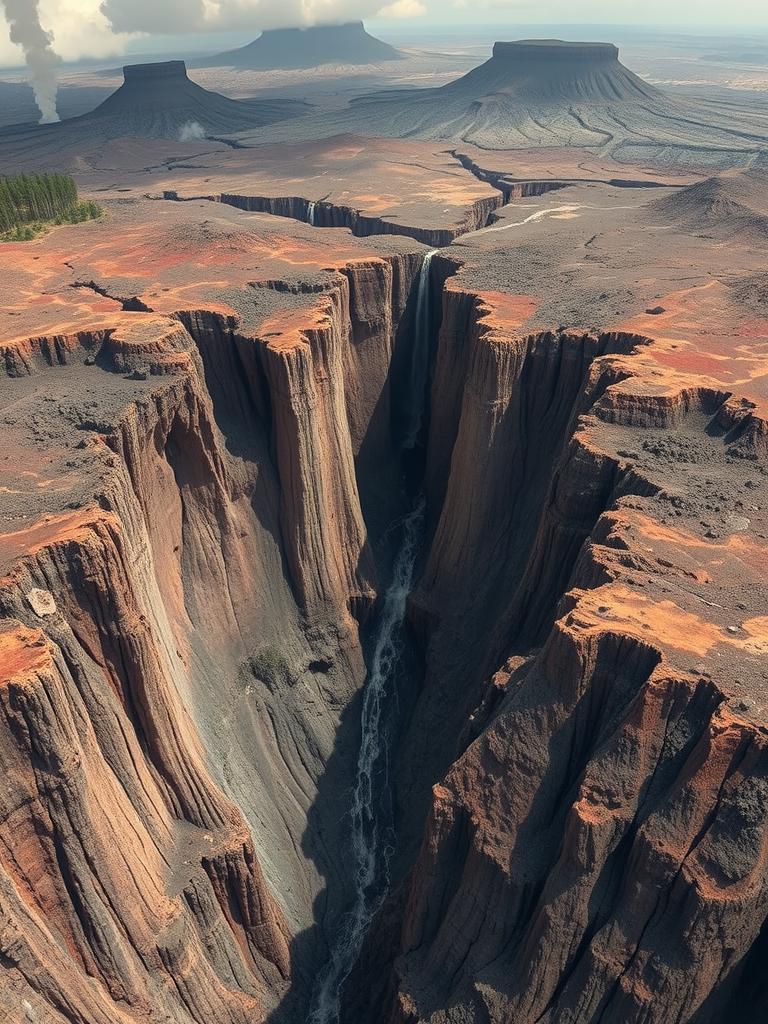
Crustal Deformation
Surface shifting force
The ground swells as pressure builds from below.
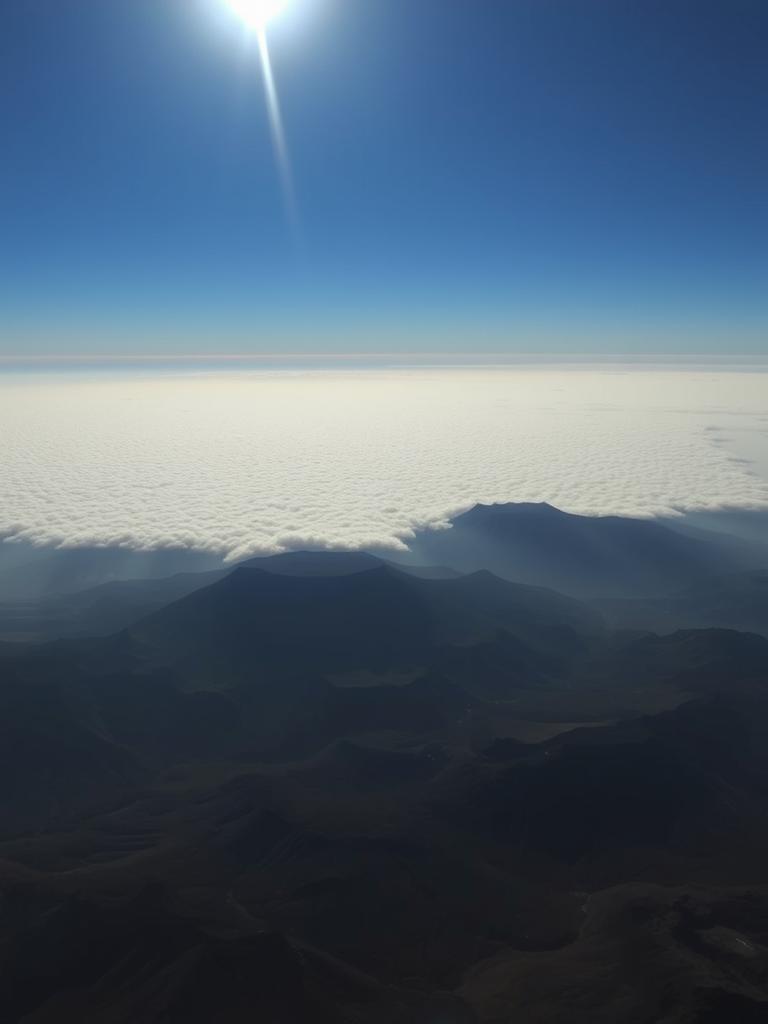
Aerosol Reflection
Atmospheric cooling layer
Ash and particles reflecting sunlight to cool the planet.
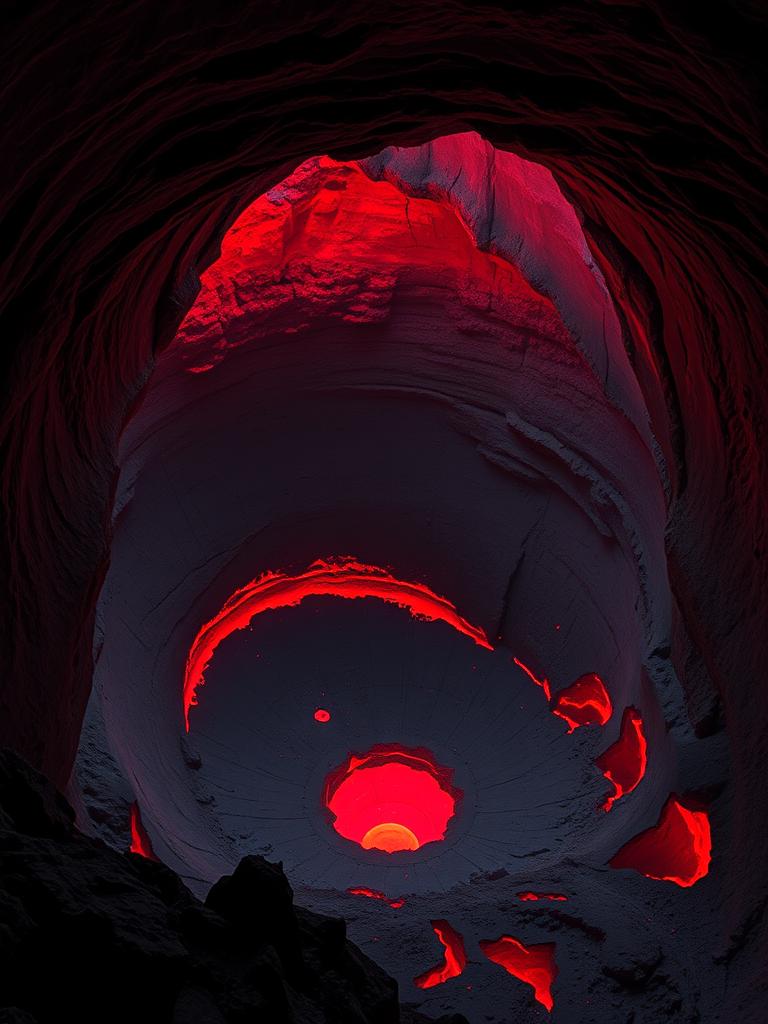
Magma Chamber
Reservoior of melt
The vast pool of molten rock beneath the caldera.
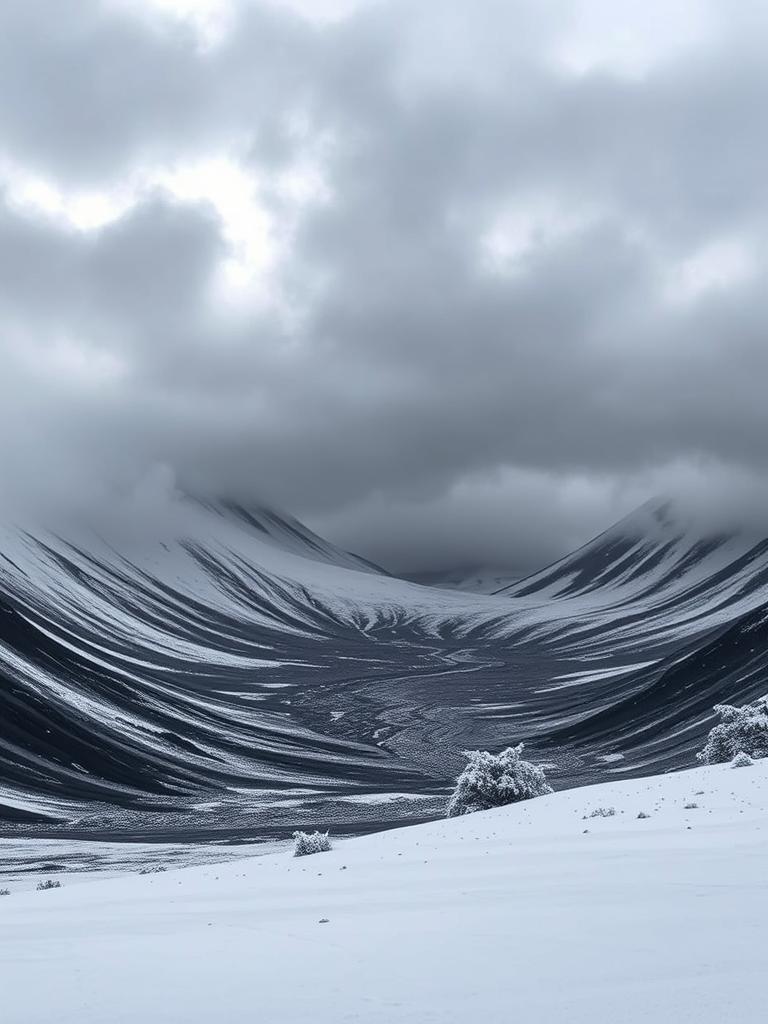
Volcanic Winter
Global cooling event
A long-lasting decline in temperature after a mega-eruption.
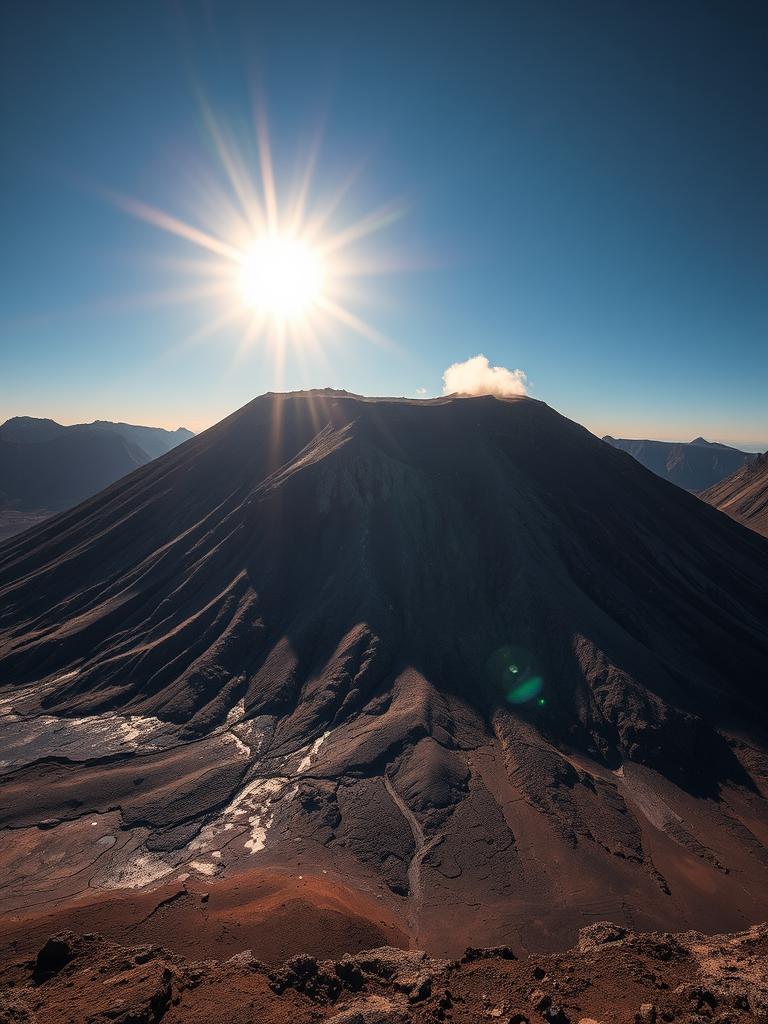
Resurgent Dome
Uplifting caldera floor
The center of the caldera rising due to magma influx.
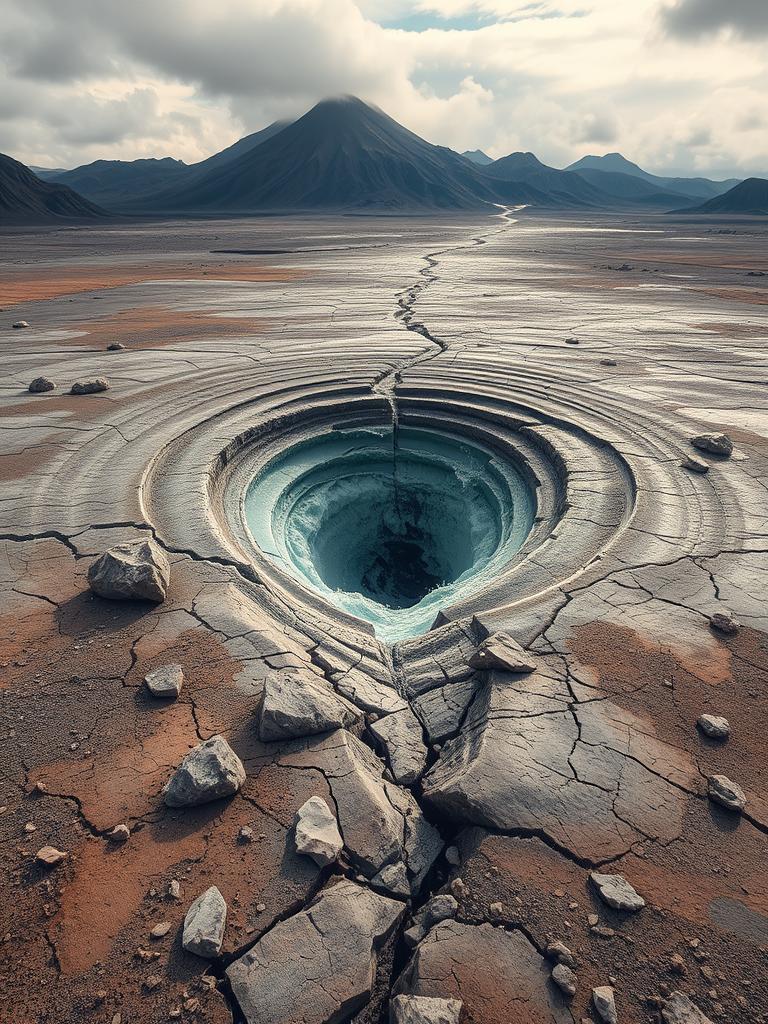
Seismic Wave
Traveling earth pulse
Energy radiating from the volcanic epicentre.
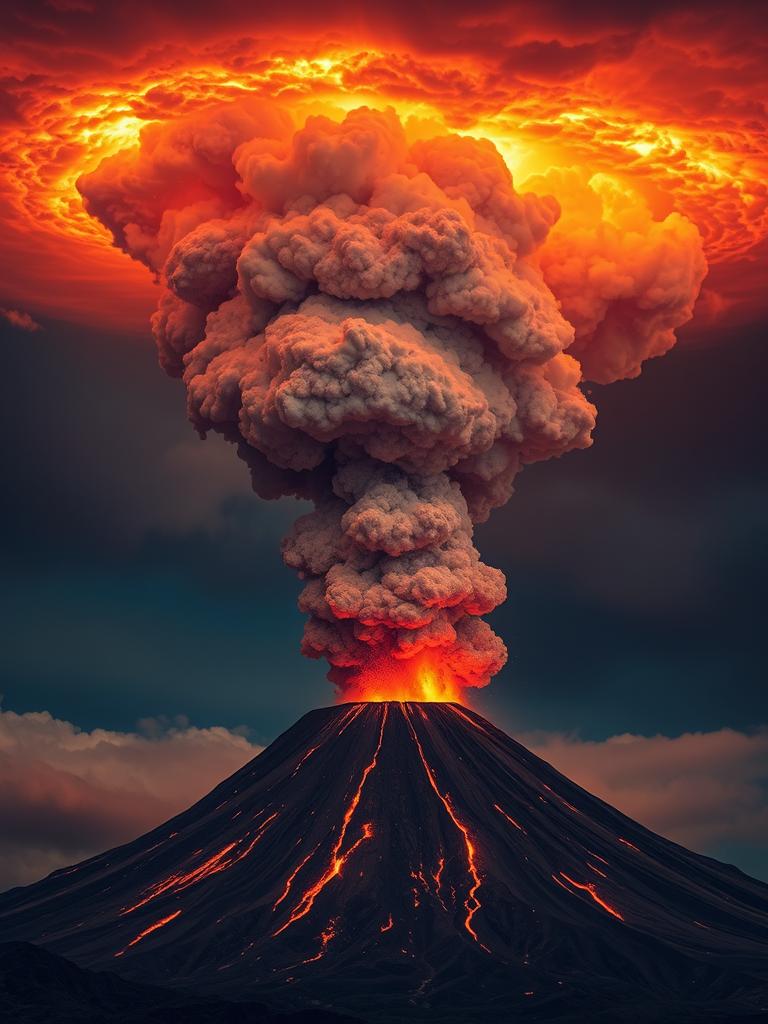
VEI-8 Eruption
Cataclysmic explosion
The Volcanic Explosivity Index reaches its zenith at level 8, representing eruptions that eject over 1,000 cubic kilometers of material. This classification marks the most catastrophic volcanic events known to geology, fundamentally altering landscapes and atmospheric conditions on a planetary scale through sheer, unmitigated eruptive volume.
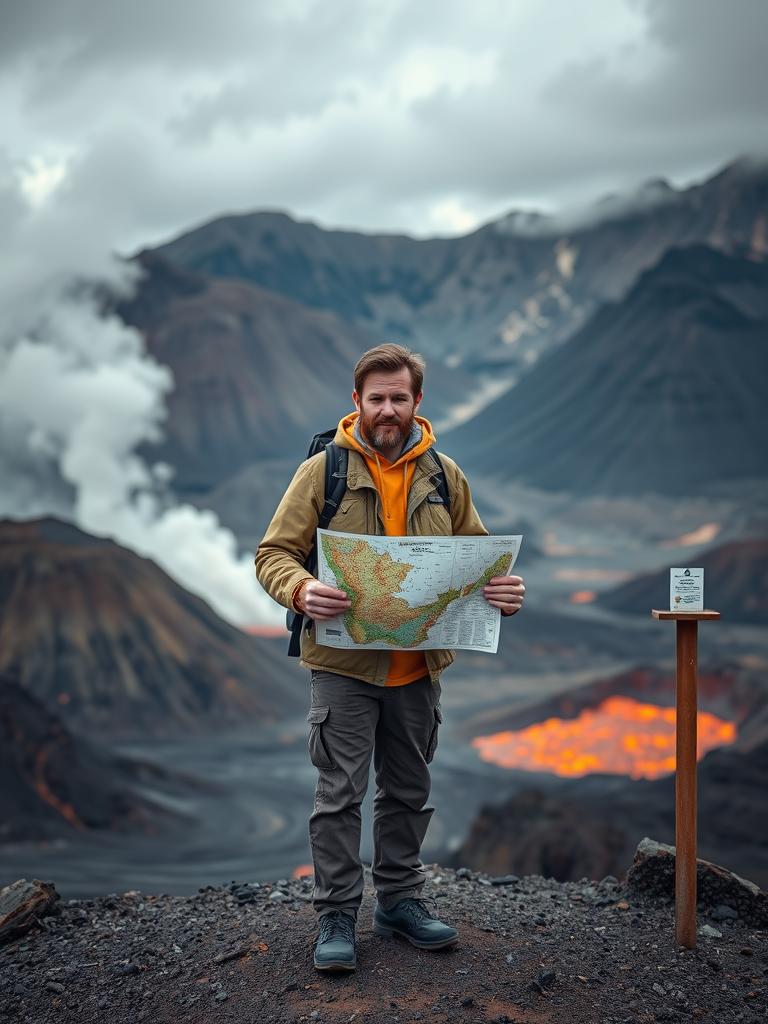
Christopher G. Newhall
Volcanologist and scale creator
Christopher G. Newhall, a scientist with the United States Geological Survey, co-developed the Volcanic Explosivity Index in 1982. This tool provided the scientific community with a standardized method to quantify the magnitude of explosive eruptions, allowing researchers to compare volcanic history across different eras and geographical locations.
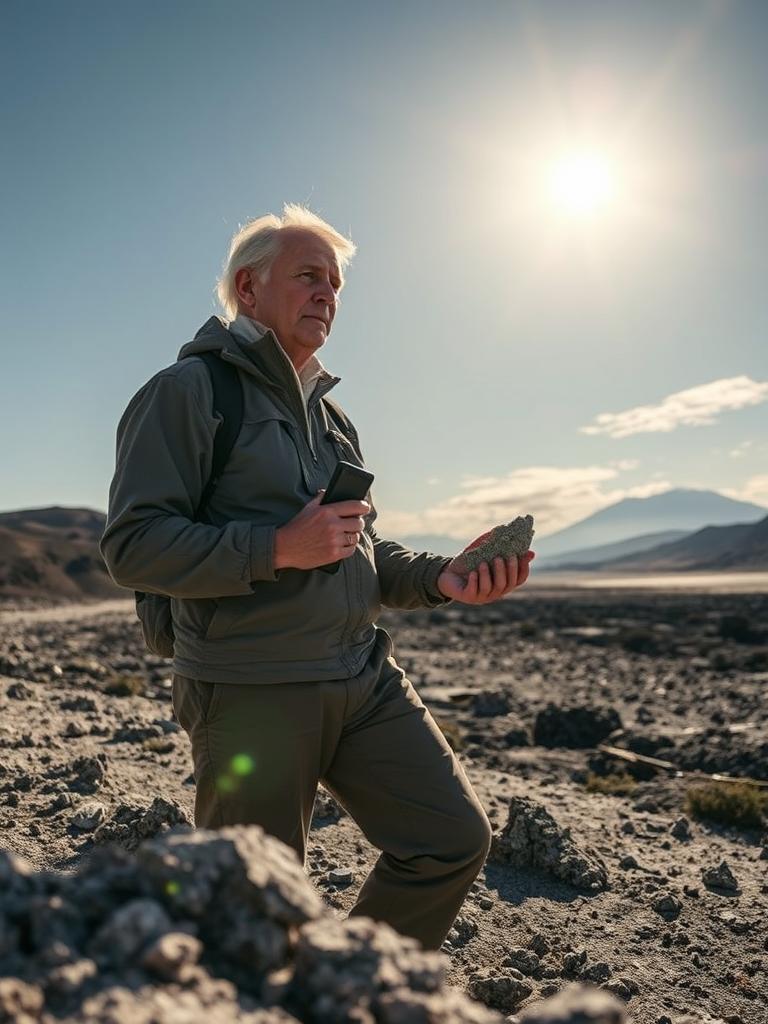
Stephen Self
Eruption researcher
Stephen Self collaborated with Christopher G. Newhall in 1982 to establish the Volcanic Explosivity Index. His work focused on the physical processes of volcanic eruptions and the interpretation of geological deposits, providing essential frameworks for understanding how explosive events contribute to the long-term evolution of the Earth's surface.
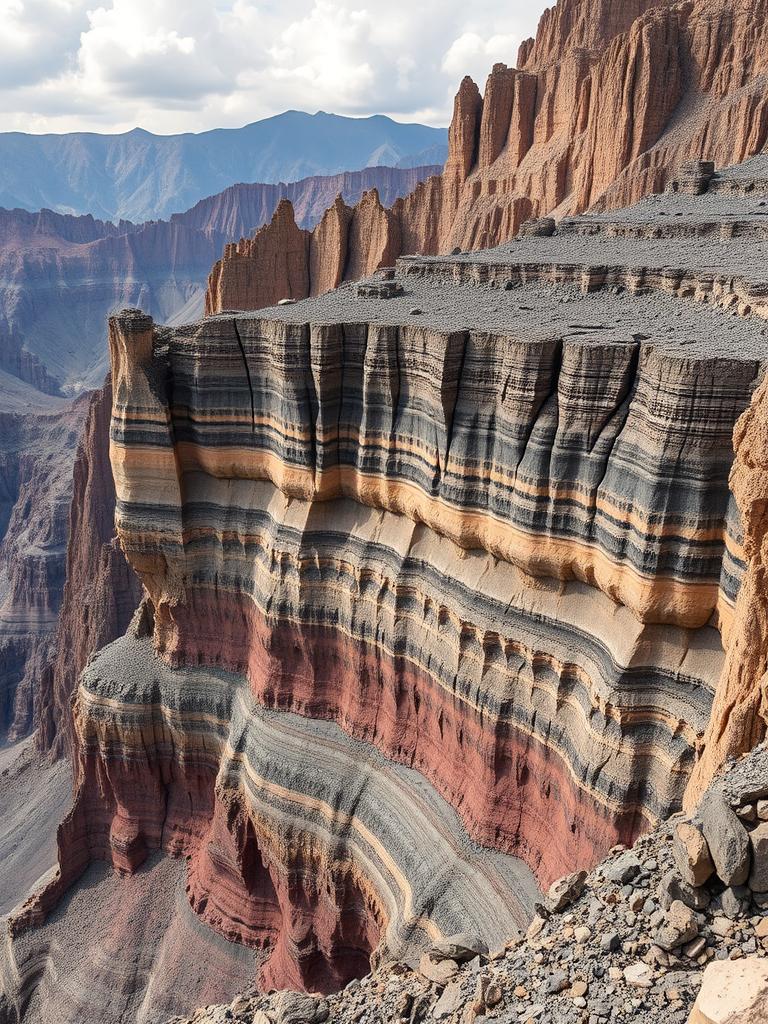
Tuff Deposit
Layered volcanic ash
Tuff is a type of rock consisting of consolidated volcanic ash ejected from vents during an eruption. These deposits serve as critical geological archives, preserving the history of past explosive events and allowing researchers to map the scale and reach of ancient supervolcanic activity within the stratigraphy.
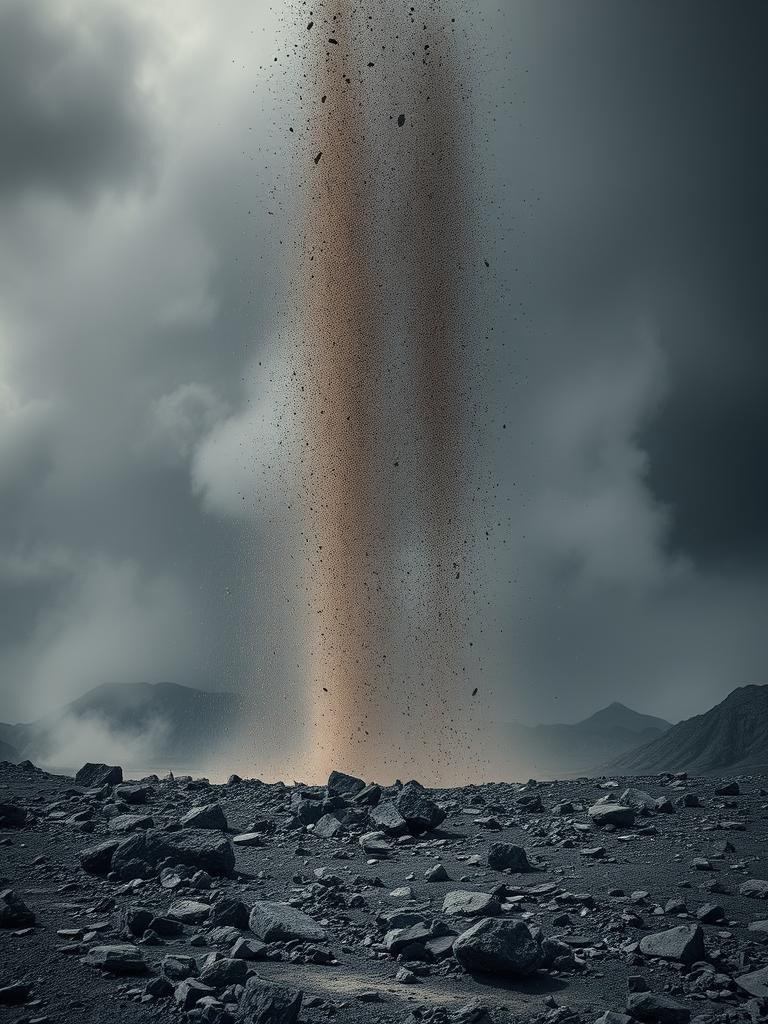
Tephra Fallout
Heavy debris rain
Tephra refers to all solid material ejected into the air during a volcanic eruption, regardless of size. This fallout creates layers of ash, lapilli, and volcanic bombs that blanket surrounding regions, often traveling thousands of kilometers to influence soil composition and climate patterns long after the initial event.
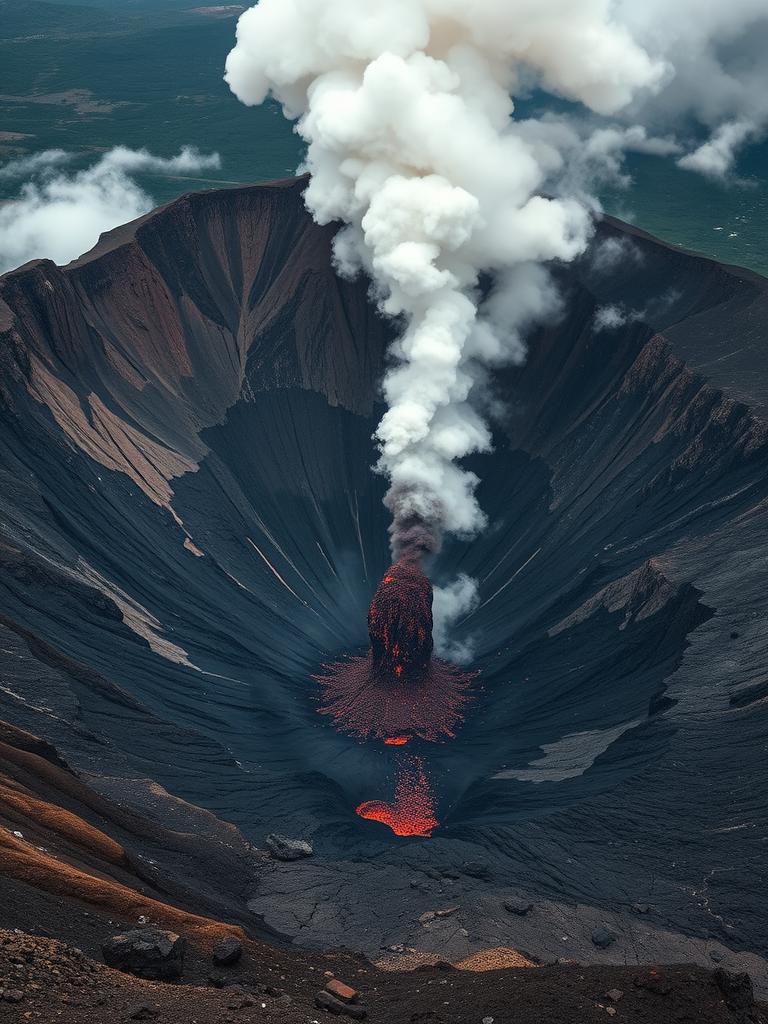
Caldera Collapse
Structural failure
A caldera collapse occurs when the magma chamber beneath a volcano empties so rapidly that the overlying rock can no longer support its own weight. The ground subsides into the void, creating a massive, crater-like depression that defines the landscape of the world’s most significant volcanic complexes.
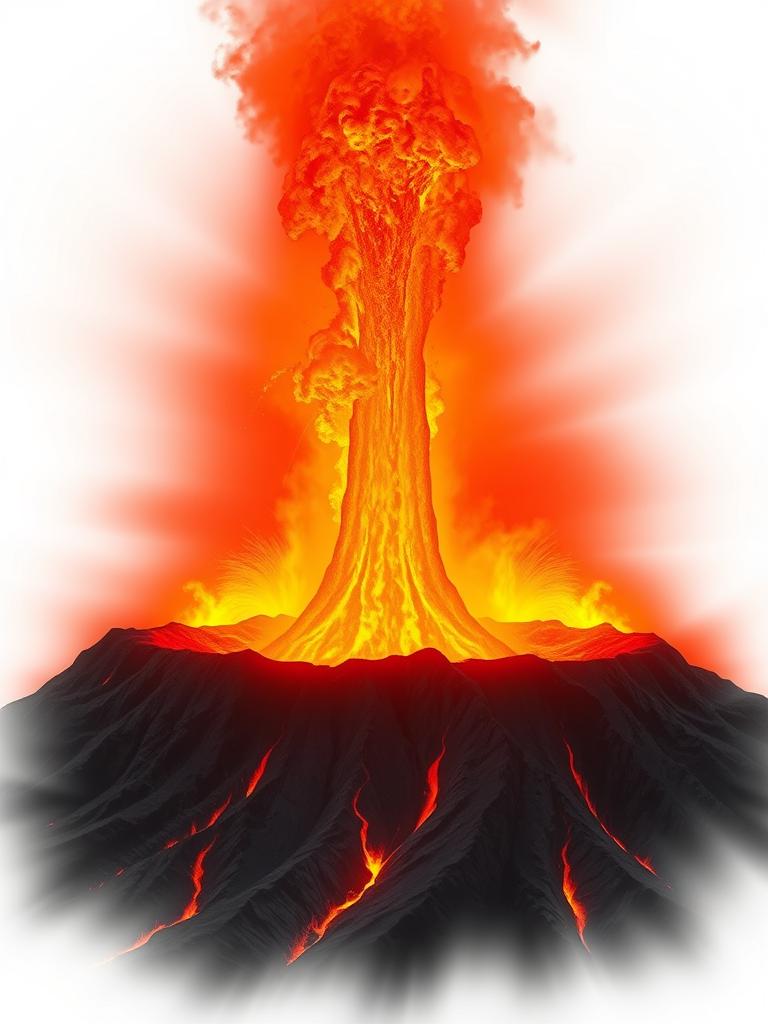
Hotspot Plume
Deep mantle upwelling
A hotspot plume is a localized column of intense heat rising from deep within the Earth's mantle. As tectonic plates move over these stationary thermal sources, they create chains of volcanic features, acting as the primary engine for massive, long-lived volcanic fields like the Yellowstone plateau.
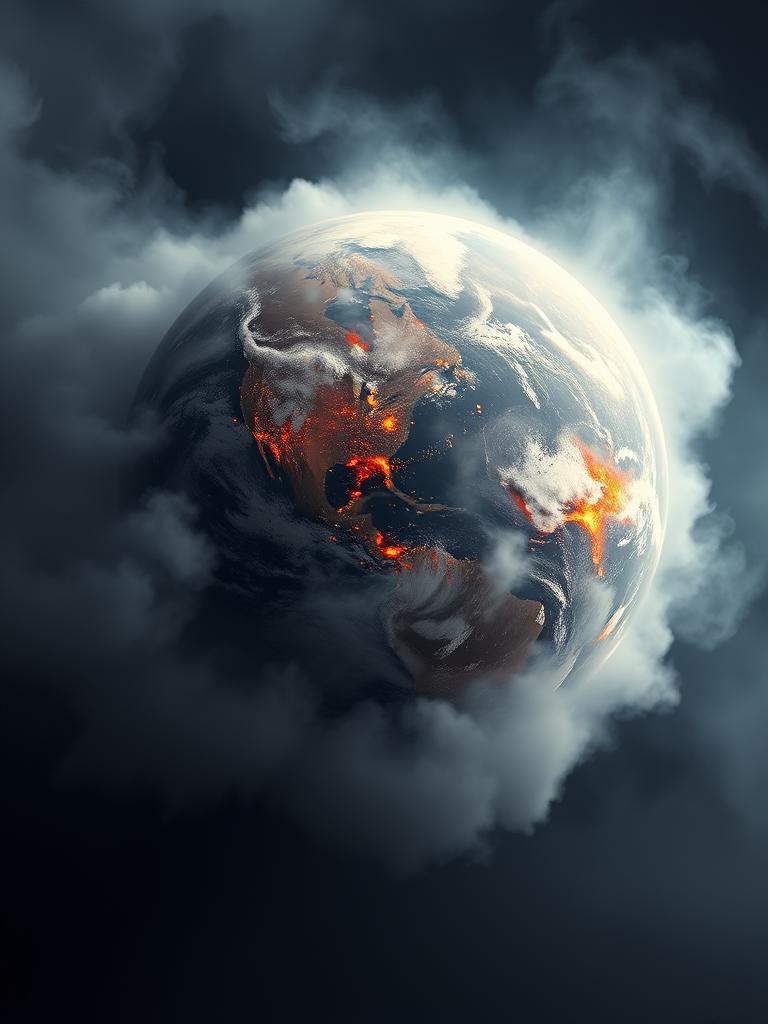
Global Climate Shift
Atmospheric transformation
Major eruptions release massive volumes of sulfur aerosols into the stratosphere, reflecting solar radiation and causing global cooling. This climate shift can persist for years, disrupting agricultural cycles and weather patterns worldwide, demonstrating the profound atmospheric consequences of high-magnitude volcanic events on the global environment.
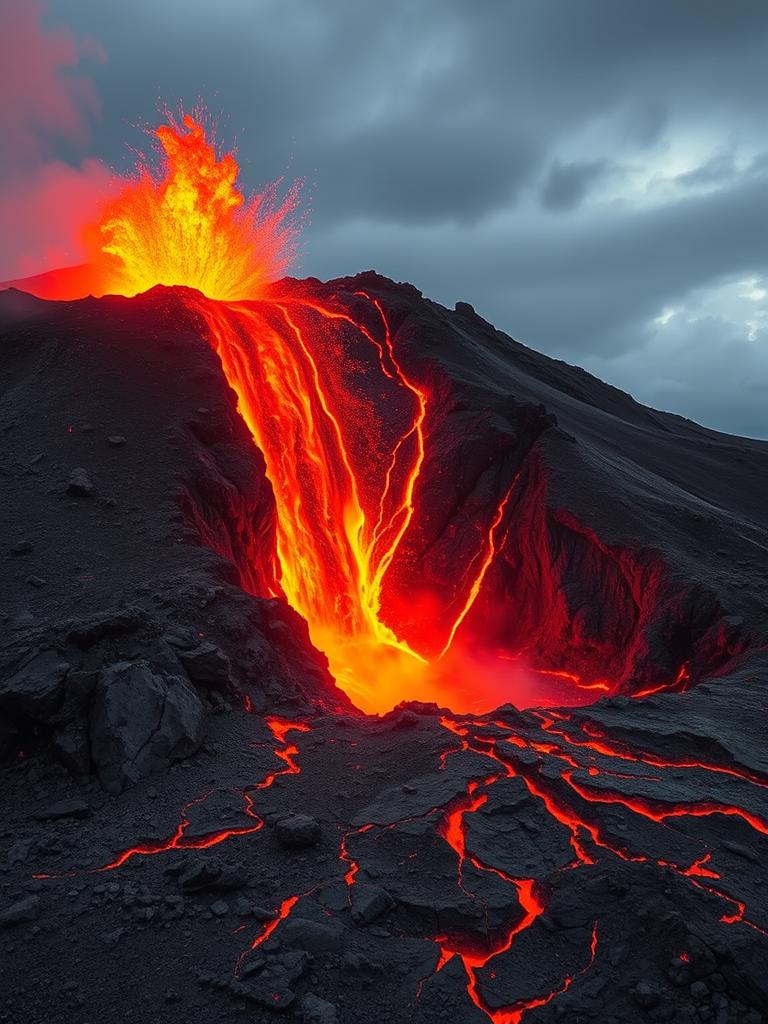
Resurgent Magma Pulse
Second surge of melt
A resurgent magma pulse occurs when fresh magma re-enters an existing plumbing system, causing the floor of a caldera to uplift. This rejuvenation of the volcanic field indicates that the system remains active, building pressure through the accumulation of rhyolitic and basaltic material beneath the surface.
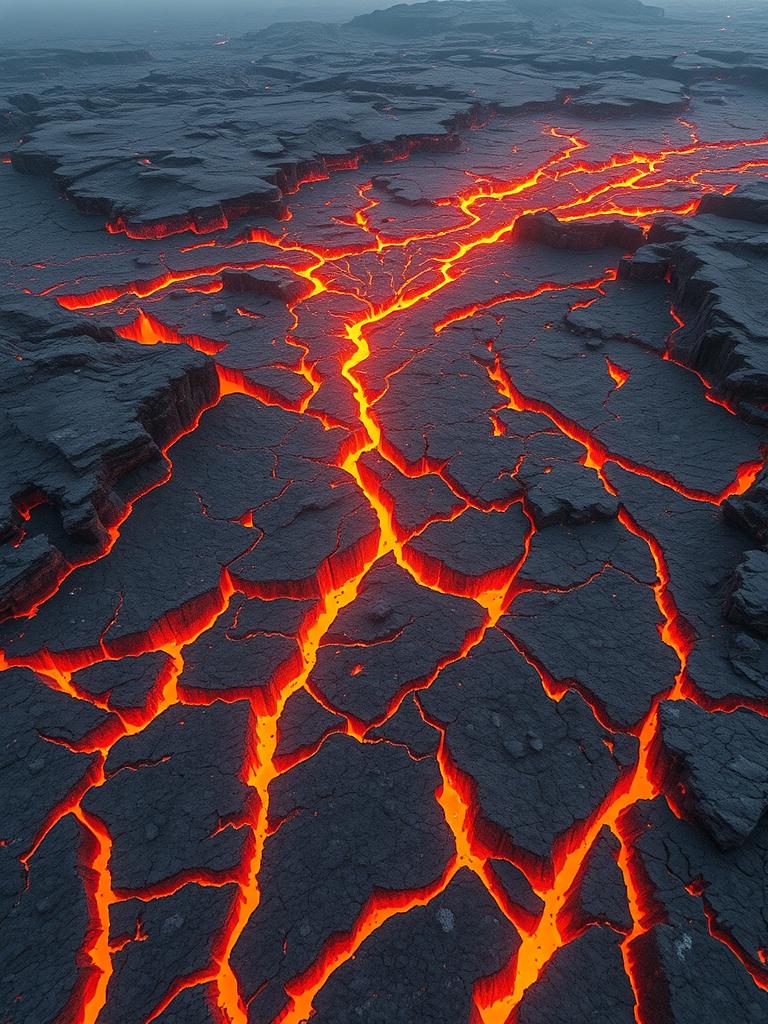
Crustal Stress Field
Accumulated tension zone
The Earth's crust accumulates immense stress as tectonic plates interact and magma chambers swell. This tension remains stored within the rock structure until it exceeds the crustal strength, triggering large-scale fracture events that allow magma to breach the surface in catastrophic, explosive eruptions.
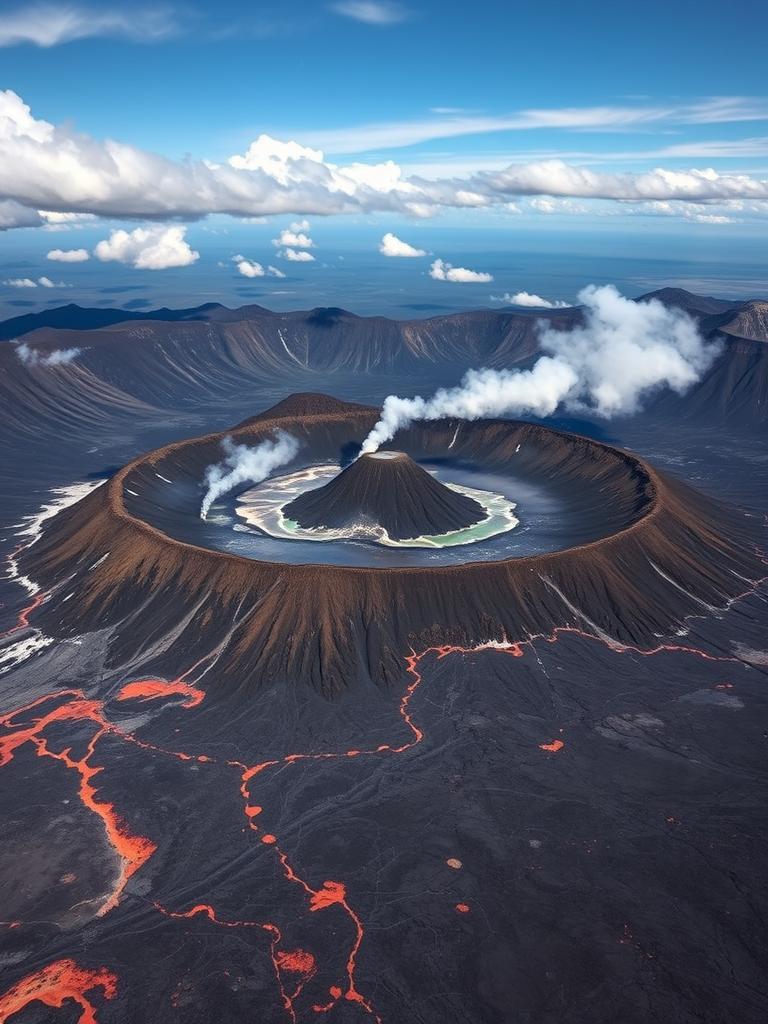
Supervolcano Caldera
The ultimate volcanic engine
A supervolcano caldera represents the surface expression of a massive, long-lived volcanic system. These structures, spanning thousands of square kilometers, contain complex networks of resurgent domes and lava flows, acting as the primary site for the most powerful and infrequent explosive eruptions on Earth.
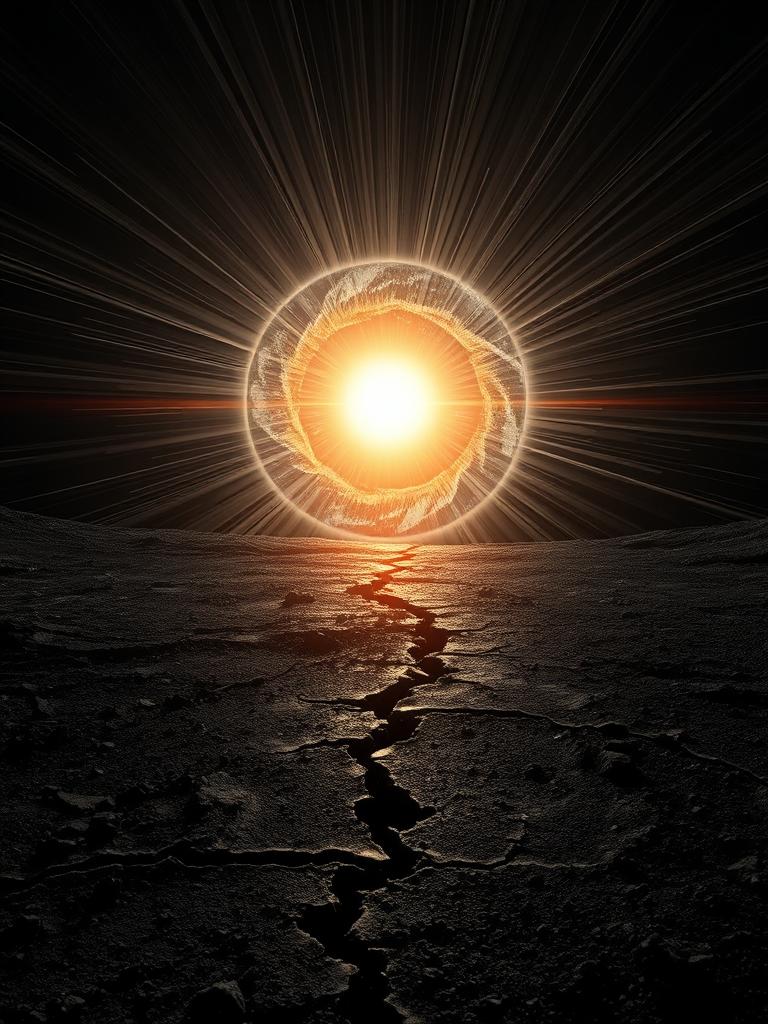
Earth Seismic Pulse
Global resonance event
Seismic pulses occur as the Earth's crust fractures and magma moves through subterranean conduits. These vibrations are detectable across vast distances, signaling the movement of fluid rock and the shifting of geological stress, serving as the primary warning system for impending volcanic activity.